News Flash
DHAKA, Dec 7, 2025 (BSS) - The Norwegian and Swiss envoys in Dhaka today observed that ensuring women's safety in digital spaces is crucial for protecting democratic participation, as online and gender-based violence continues to target women in politics.
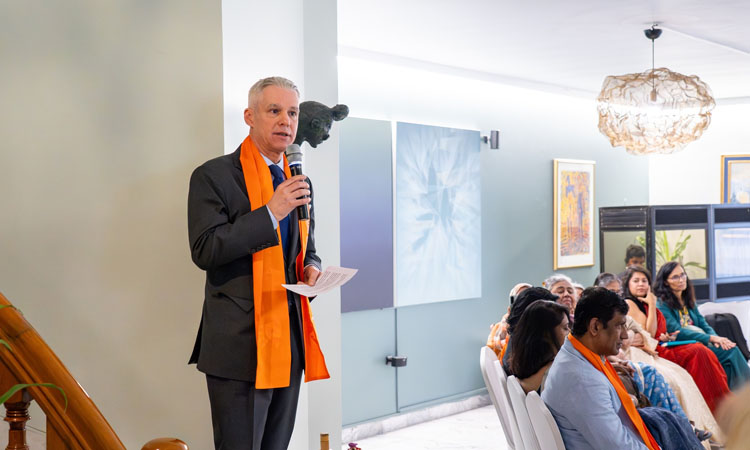
They made the remarks as the two embassies in collaboration with UN Women today hosted a high-level dialogue titled "Power Without Fear: Ending Digital and Gender-Based Violence Against Women in Politics" at the Norwegian Residence in the capital, said a press release here.
Norway ambassador to Bangladesh Håkon Arald Gulbrandsen said digital spaces have become central to political engagement and must be made safe for women's participation.
"Women's political participation is essential for inclusive democracy, sustainable development and lasting peace. When women are silenced - through digital harassment, character attacks, threats or physical violence - entire
societies lose out," he said.
The Norwegian envoy called for stronger legal protections, enhanced digital safety measures, accountability for perpetrators and collective efforts to empower women to take part in politics without fear.
Switzerland Ambassador to Bangladesh Reto Renggli said preventing gender-based violence is increasingly important in the context of Bangladesh's upcoming national elections.
"Women played a significant role in last year's historic events in Bangladesh. Their participation showed a clear aspiration for equal political representation. We hope the current democratic transition will honour these aspirations and ensure women's participation at all levels," he said.
Held as part of the global 16 Days of Activism against Gender-Based Violence campaign under the theme "UNiTE to End Digital Violence against All Women and Girls", the dialogue brought together political party representatives, young women leaders, academics, journalists, gender experts, development partners, diplomats and civil society members.
The discussion, conducted in a fishbowl format to encourage open exchange, focused on the growing threats women face in political life, including online harassment, misinformation, intimidation, cyberstalking, doxxing and
coordinated smear campaigns, which often extend into offline violence.
Participants highlighted the psychological, political and professional consequences such attacks have on women, noting that digital abuse is increasingly discouraging women from entering or continuing in public and political life.
Speakers stressed that political parties should include concrete measures in their mandates to address digital violence and improve online safety for women leaders.
Key recommendations included strengthening legal frameworks, establishing dedicated reporting and response mechanisms, providing cyber safety and digital resilience training for women in politics, expanding mental health support for survivors, and integrating digital literacy and online etiquette into education curricula.
Participants further called for stronger collaboration between political parties and civil society organisations to challenge harmful social norms and act as pressure groups against gender-based violence.
In her closing remarks, UN Women Representative Gitanjali Singh proposed forming an inter-party women's caucus to champion gender equality issues across political lines and strengthen solidarity among women leaders.
The United Nations is currently implementing an electoral assistance initiative for Bangladesh's upcoming national parliamentary elections in February 2026, with support from the governments of Norway and Switzerland.
Led by UNDP, in collaboration with UN Women and UNESCO, the project is supporting the Bangladesh Election Commission in strengthening its institutional capacity, promoting civic engagement and ensuring information
integrity.
The initiative, guided by recommendations from a UN Needs Assessment Mission, underscores that democracy can only thrive when women are able to participate freely, confidently and without fear, both online and offline.