Wednesday
26 August, 2026
News Flash
News Flash
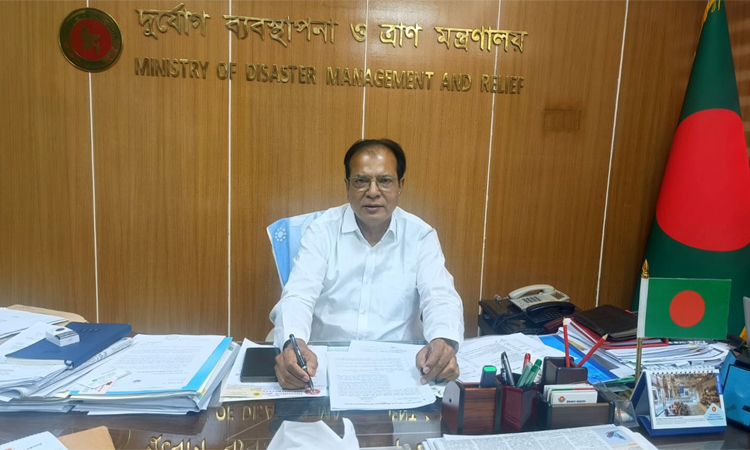
DHAKA, Aug 25, 2026 (BSS) - Model canal projects will be implemented in every division as part of the BNP's election pledge to excavate 20,000 kilometres of canals over five years, Disaster Management and Relief Minister Asadul Habib Dulu said.
“Twenty canals across the country would be excavated as ‘model canals’ on a pilot basis next year. The canals would not only be equipped for water drainage and retention, but integrated activities such as tree plantation along the banks, fish farming and duck rearing would also be introduced. The model would subsequently be expanded to different parts of the country,” he said.
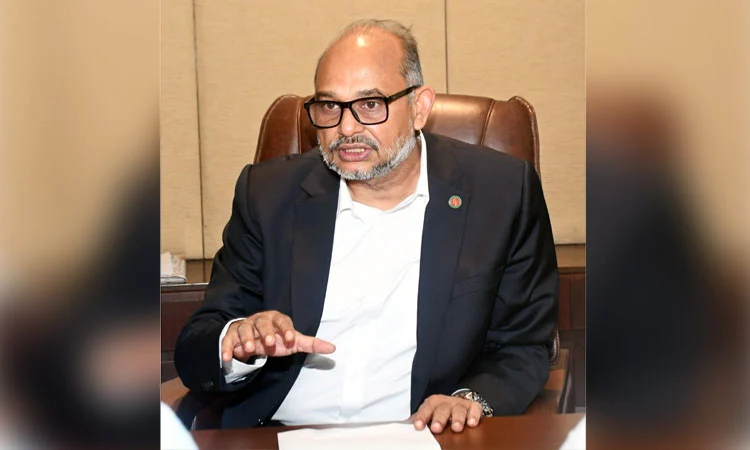
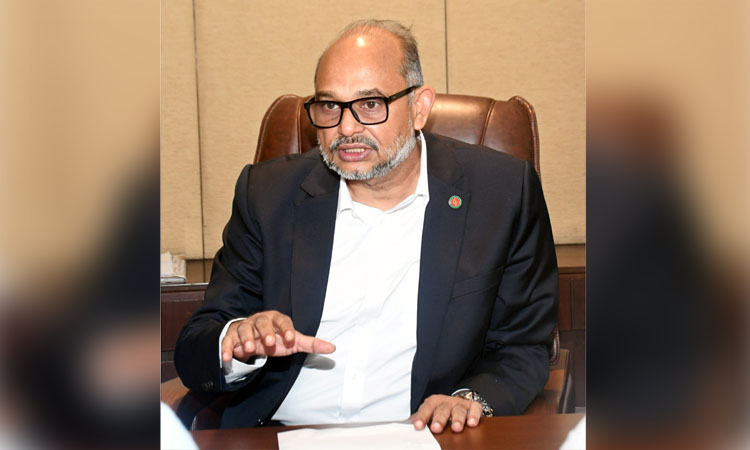
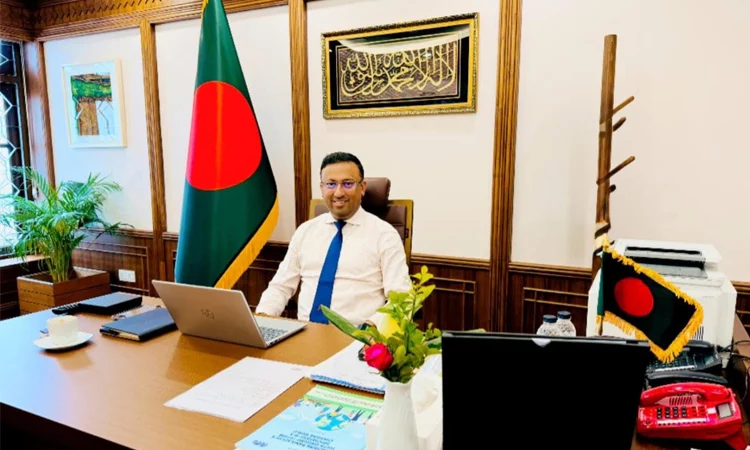
He made the remarks today in an interview with Bangladesh Sangbad Sangstha (BSS) at his office at the Secretariat.
Asadul Habib Dulu said there is a plan to excavate 20,000 kilometres of canals over the next five years in line with the BNP's election pledge. After assuming office, the Prime Minister gave instructions to the concerned authorities in this regard.
In line with those instructions, the ministries and departments concerned, including the Ministry of Water Resources, the Ministry of Disaster Management and Relief, and the Ministry of Agriculture, are working in coordination, he added.
He said his ministry had set a target of excavating 1,500 kilometres of canals last year. However, the full target could not be achieved due to early rainfall and a delay in assuming responsibilities. Around 1,200 kilometres of canals were excavated during the period, he added.
He said an initiative has been taken this year to excavate canals in all upazilas of the country. A preliminary upazila-wise list has already been prepared. The list of proposed canals is now being scrutinised. Following the scrutiny, estimates for canal excavation will be prepared by October. The canal excavation programme will then be inaugurated in the first week of November after allocations are made, he said.
The Disaster Management minister said carrying out canal excavation during the dry season would ensure the quality of the work while allowing the excavation to be completed before the onset of the monsoon. Therefore, the plan is to begin the work in November and complete it by February, he said.
Dulu said, “When the water recedes in November and the canals remain dry, we will begin the excavation work. We want to complete the work by February. Once the monsoon arrives, it is not possible to carry out canal excavation properly. In the past, various complaints were raised in different places when work was undertaken during the monsoon.”
Asadul Habib Dulu said proposals had initially been received to develop around 100 canals as model canals. However, not all of the proposals would be implemented. After scrutiny, 20 canals would be selected from among them. There is a plan to select model canals from every division, he said.
“We will have model canals in every division. These will be implemented as pilot schemes,” he said.
Explaining the objective of the model canal project, the minister said it would not be enough to excavate canals merely for water drainage. Canals must be linked with the rural economy. For this reason, trees would be planted along canal banks, fish would be farmed in the canals and arrangements would be made for duck rearing. This would help maintain environmental balance, create employment and increase agricultural and fisheries production simultaneously, he said.
Highlighting the multifaceted benefits of canal excavation, Asadul Habib Dulu said waterlogging and flash floods occur in various parts of the country after even light rainfall. Water cannot be drained quickly because canals have been filled in indiscriminately and their navigability has declined. As a result, agricultural land is also being damaged, he said.
He said re-excavating the canals would enable rapid drainage during the monsoon. Farmers would be able to use that water for irrigation. This would reduce pressure on groundwater while increasing agricultural production, he said.
He said, “Canal excavation will ensure rapid drainage of water. At the same time, water will be retained during the dry season. Farmers can be supported through surface water. This will increase agricultural production and reduce waterlogging problems,†the minister said.
He also said the canal excavation programme is linked with rural employment. Involving local workers in excavation work will create employment for poor people while increasing the flow of money into the local economy.
Describing the canal excavation programme not merely as a development project but as a major initiative to strengthen the rural economy, the minister said it would have a positive impact on agriculture, fisheries, the environment and employment. As a result, it would have an overall impact on the country's economy and contribute positively to GDP, he continued.
Highlighting the historical context of the canal excavation programme, the minister said the canal excavation programme was initiated during the tenure of Shaheed President Ziaur Rahman. At that time, Bangladesh was facing a food shortage. The initiative was taken to increase agricultural production and advance the country in food production by improving canal excavation and water management, he added.
He said Ziaur Rahman's canal excavation programme played an important role in the country's agriculture and food production. The programme remained suspended for a long period thereafter, causing canals in different parts of the country to become filled up or lose navigability. This created problems in water drainage systems, he said.
The Disaster Management Minister said after Shaheed President Ziaur Rahman launched the canal excavation revolution, food production increased and at one stage the country even exported food. But the ‘groundbreaking programme’ had remained suspended for many years, he said.
Asadul Habib Dulu said the whole of Bangladesh had long been subjected to neglect and discrimination. Therefore, all regions of the country would be given equal importance in development planning.