PM seeks BNP grassroots leaders' help in implementing election pledges
09 May, 2026 14:46 pm
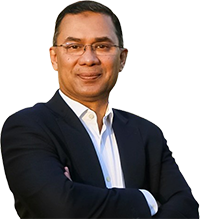
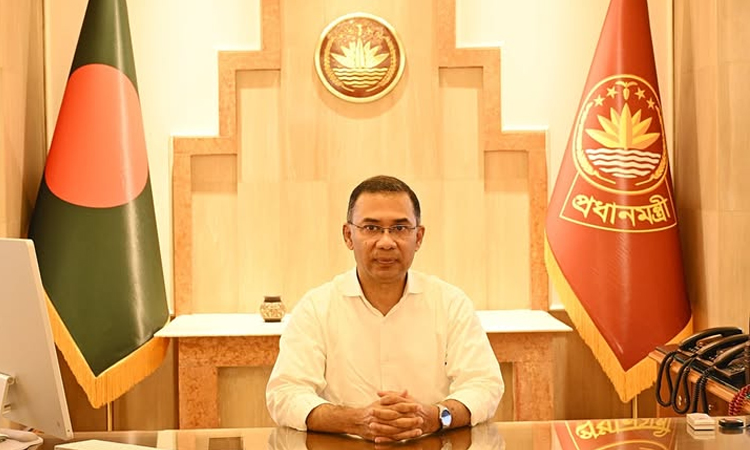
DHAKA, May 9, 2026 (BSS) - BNP Chairman and Prime Minister Tarique Rahman today sought the cooperation of his party's grassroots leaders to implement the party's election manifesto.
"The government cannot succeed without the support and coordination of the party. So, we have to enter into a 'new struggle' to implement all the promises (we) made to the people before the election," he said.
The BNP chairman added: "One of our battles has ended. Now another battle has begun. That is to implement the commitments we made to the people".
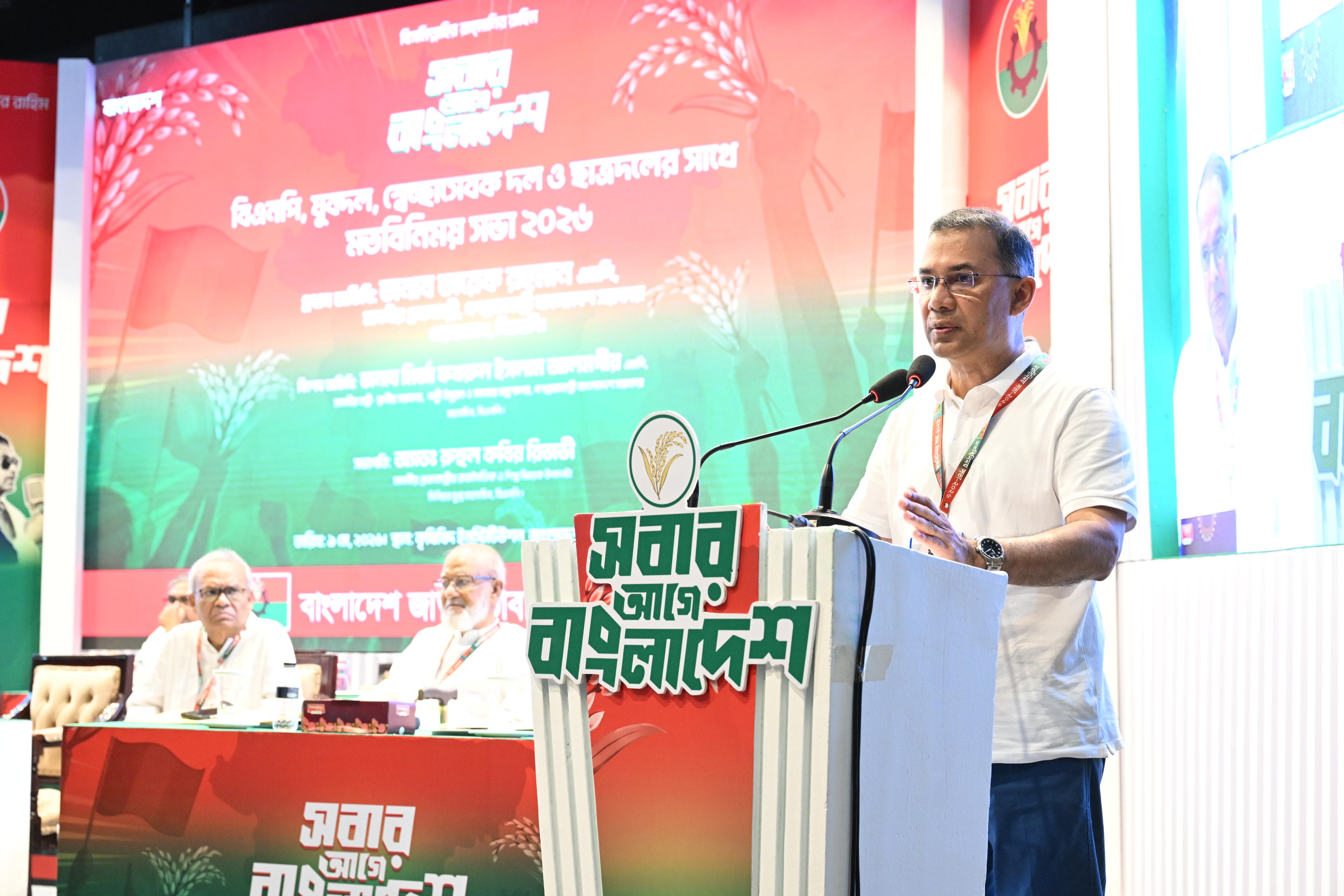
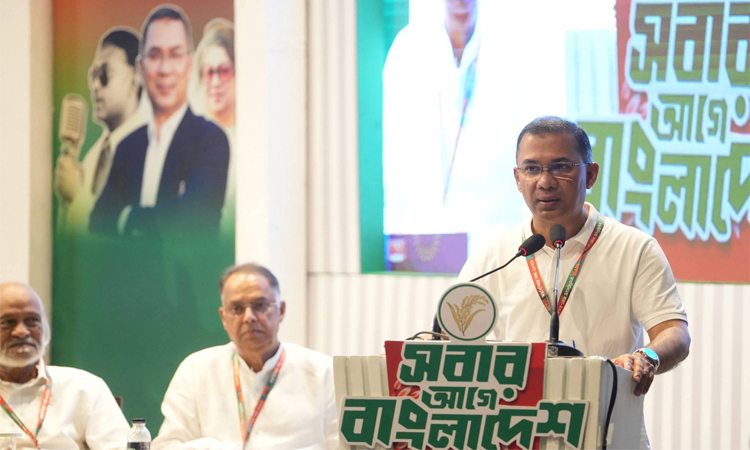
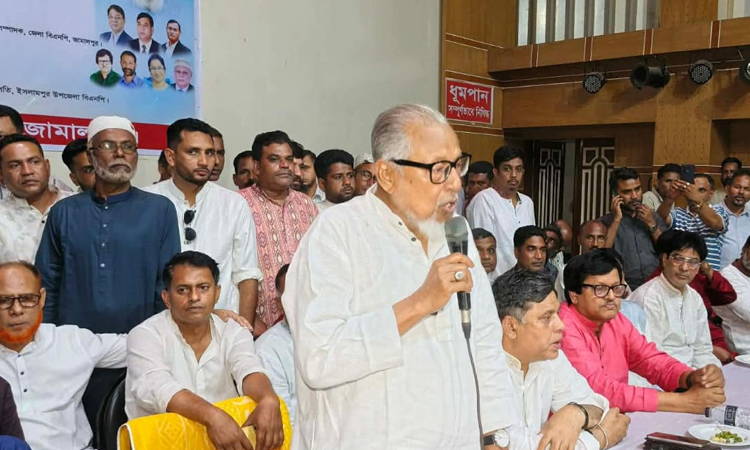
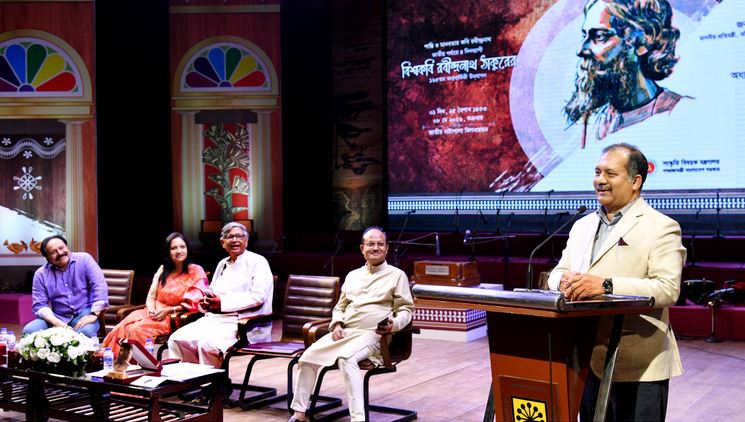
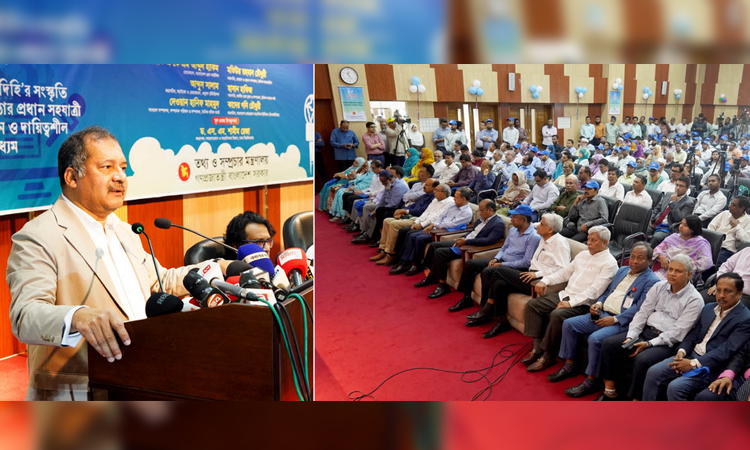
He said this in his opening speech as the chief guest at a views-exchange meeting with grassroots leaders of BNP, Jubo Dal, Swechchhasebak Dal and Chhatra Dal at the Krishibid Institution Bangladesh (KIB) auditorium in the city's Farmgate area this morning.
The closed-door meeting began around 10:45 am with the slogan 'Sobar Agee Bangladesh (Bangladesh First)'.
Addressing the grassroots leaders, Tarique Rahman said, "You were on the ground during the election held in the country on February 12. I had said that the election would be difficult. Each of you felt that at every stage. The people have supported our party and our election manifesto."
Mentioning that the manifesto announced before the election has now turned into the people's manifesto, the Prime Minister said, "Until the day before the election, the manifesto we presented was the manifesto of the BNP. After the election, especially after we formed the government, this manifesto has turned into the manifesto of our government and the people of Bangladesh."
"Because, 52 percent of the country's people voted and gave their verdict in favor of this manifesto. So, now we must try our level best to implement everything we said in this manifesto," he added.
Tarique Rahman said that before the election, his party promised to ensure good governance, create a country with a healthy educational environment for students and guarantee safety for women, men and children.
"When we were carrying out the movement against autocracy and fascism, we told the people that we want to build a country where no one will face repression, enforced disappearances or killings for political reasons. We want a political situation in the country where we can debate and freely express our opinions," he added.
Urging the party leaders and activists to support the government to implement the manifesto, the BNP chairman said, "We say that the current government is a BNP government . . . thus, if BNP does not cooperate, in many cases the government will not be able to succeed".
BNP Secretary General Mirza Fakhrul Islam Alamgir attended the meeting as the special guest with BNP Senior Joint Secretary General Ruhul Kabir Rizvi in the chair.
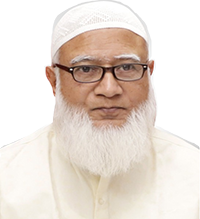
BNP Standing Committee members Khandaker Mosharraf Hossain, Abdul Moyeen Khan, Amir Khosru Mahmud Chowdhury, Salahuddin Ahmed, Iqbal Hasan Mahmud Tuku, Selima Rahman and Dr AZM Zahid Hossain also joined in the meeting.
This is the first views-exchange meeting between BNP Chairman and Prime Minister Tarique Rahman and the party's grassroots leaders after the 13th parliamentary election held on February 12.