News Flash
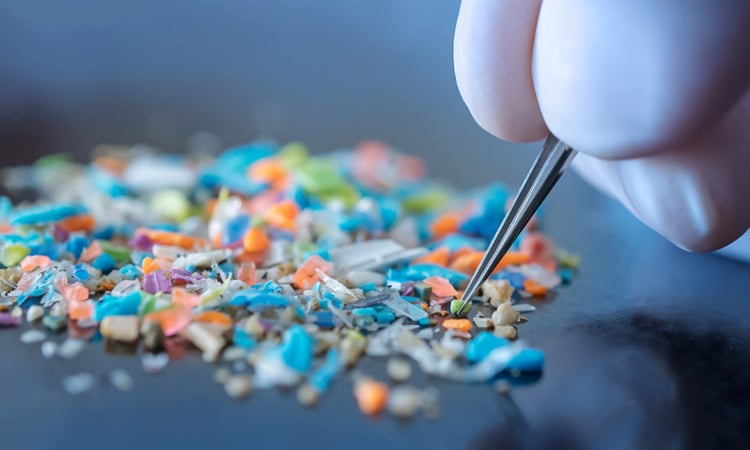
BRUSSELS, Belgium, April 9, 2025 (BSS/AFP) - EU countries and lawmakers on Wednesday reached a deal on plans to curb plastic pollution -- an issue that had laid bare tensions within the bloc over Brussels's push to cut red tape.
Representatives of the European Parliament and the European Council agreed to toughen rules for firms handling and transporting microscopic pellets to reduce spillages in the environment.
"Microplastics, including plastic pellets are now found everywhere -- in our oceans, seas and even in the food we eat," said Paulina Hennig-Kloska, the environment minister of Poland, which holds the council's rotating presidency.
"The EU has taken a landmark step toward reducing pellet pollution."
The deal was clinched early in the morning, a week after member states held a heated debate over the text, with some lamenting that efforts to slash administrative burdens for companies were undercutting the EU's green agenda.
The bone of contention was whether small businesses should be spared some of the obligations envisaged by the new regulation, which demands that companies take specific measures to avoid pellet losses.
Under a proposal put forwards by the European Commission, medium and big operators needed to secure a third-party certification of compliance, while small ones would be allowed to make do with a self-declaration.
Countries led by France and Spain had agreed that the certification requirement should be extended to small firms if they handled more than 1,000 tonnes of pellets every year.
But the move faced stiff opposition from the commission, backed by a few countries, including Greece, Cyprus and Germany.
Bold EU plans to tackle climate change and protect the environment have increasingly come under fire from critics arguing that they hinder the bloc's competitiveness at a time when it needs to boost growth and relaunch its industry.
The text agreed on Wednesday, which still needs to be formally adopted by both the council and parliament, requires companies handling more than 1,500 tonnes to obtain a certificate.
This becomes a one-off requirement five years after the rules come into force for small companies.
Made from fossil fuels, the pellets, called nurdles, constitute the building blocks of most plastic products from car bumpers to salad bowls -- and often end up polluting beaches and oceans.