Wednesday
12 August, 2026
News Flash
News Flash
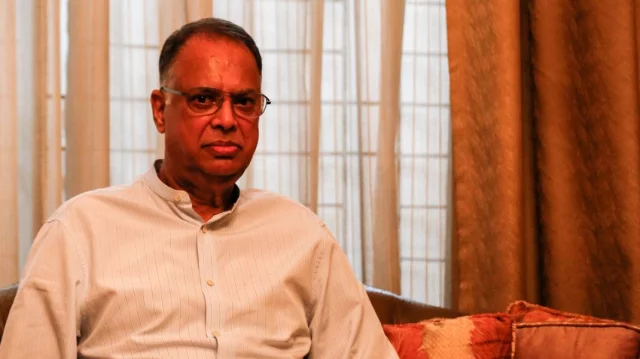
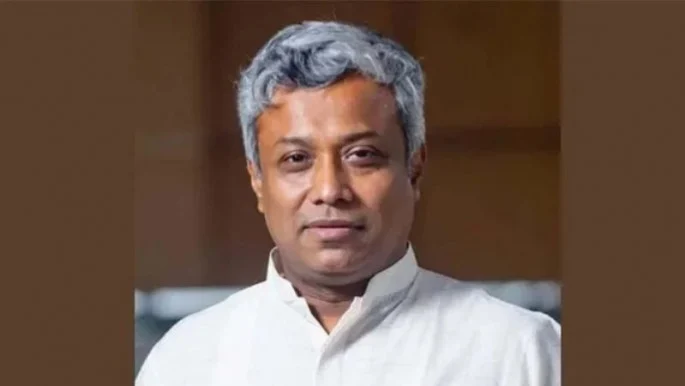
DHAKA, Aug 11, 2026 (BSS) - Power, Energy and Mineral Resources Minister Iqbal Hassan Mahmood has said the government is focusing on exploring domestic gas, utilising gas from Bhola, importing gas from Malaysia and increasing solar power generation to tackle the current crisis in the power and energy sectors.
He also said the country has developed substantial power generation capacity, but the full potential cannot be utilised due to the lack of adequate fuel and transmission infrastructure.
The minister noted that power plants cannot be operated without fuel.
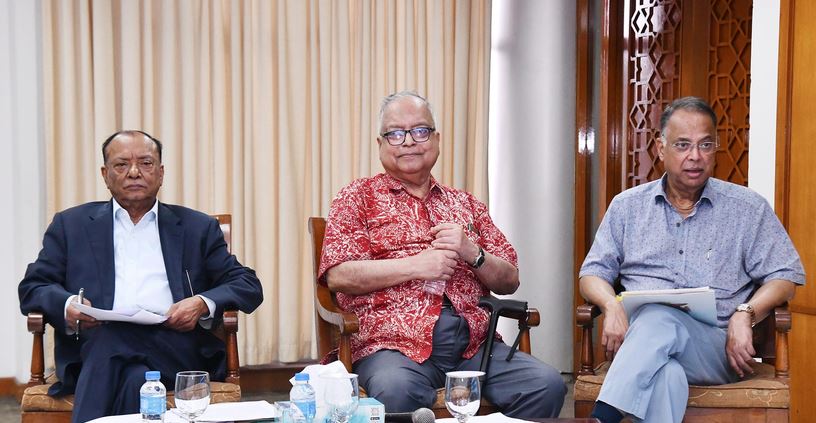
He made the remarks today as the chief guest at Parallel Session 4, titled "Regional Balanced Development and Sustainable Capacity", of the national conference titled "Navigating Five Year Strategy for Achieving SDGs", held at Windy Town Hall of the Bangladesh-China Friendship Conference Center in the capital.
National Professor Dr Mahbub Ullah chaired the session. Plans and progress of various ministries regarding the SDG goals were presented at the conference.
The minister Mahmood said the country's low gas production has increased dependence on imported gas for power generation.
As a result, expensive liquid-fuel-based power plants have to be operated, increasing the cost of power generation and the government's subsidy burden, he added.
He said an initiative is being taken to supply gas from Bhola in containers to Dhaka and various industrial areas to address the gas shortage.
Mahmood said bringing gas from Bhola to Dhaka through pipelines would require major investment.
As it needs to be assessed whether sufficient returns can be obtained from the gas reserves against such investment, the alternative of transporting gas in containers is being considered, he added.
He further said a company has already been permitted to supply gas from Bhola to eight industries through 30 containers.
An initiative has also been taken to import gas from Malaysia in containers. Discussions have been held with the relevant Malaysian company in this regard. However, it may take around two years to manufacture and supply custom-made containers.
The energy minister also said special emphasis is being placed on solar power to reduce the cost of fuel imports for electricity generation.
He said the target is to generate 10,000 megawatts of solar power over the next five years. For this, the renewable energy policy has been made investment-friendly and various incentives have been provided.
He also mentioned an initiative to provide rebates on holding tax to expand rooftop solar.
At the same time, Mahmood said the government has plans to establish large-scale battery storage systems to overcome the limitations of solar power.
Emphasising the use of prepaid meters to save electricity, the power minister said customers would pay bills only for the amount of electricity they use. It would also reduce irregularities in meter reading and bill reconciliation.
He also urged consumers to prevent wastage of electricity.
Calling on officials to protest if any "fascist" government in the future seeks to take decisions against public interest, the minister said, "Someone among you will have to stand up and say-no."
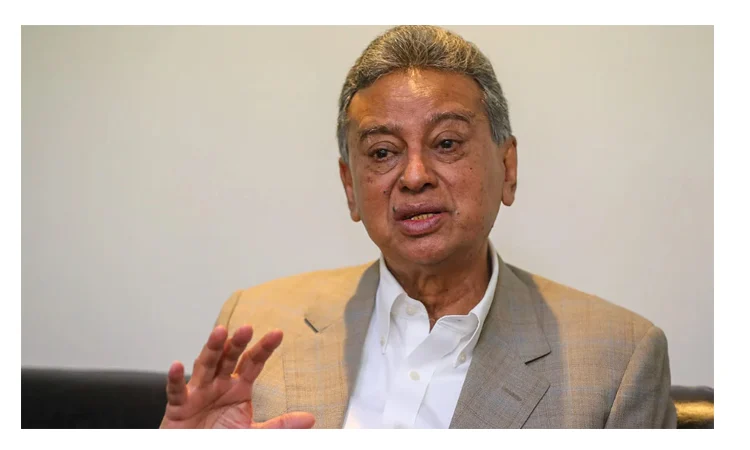
Environment, Forest and Climate Change Minister Abdul Awal Mintoo was present at the event as a special guest.
He said investment in renewable energy, clean energy and environment-friendly infrastructure must be increased to achieve the Sustainable Development Goals (SDGs).
Environmental sustainability should not be viewed only as government expenditure; it should also be considered an investment opportunity for the future economy, he said.
The environment minister said a clean city, efficient waste management, renewable energy, sustainable transport and ecosystem restoration are important components of the future economy.
He further said addressing climate change and protecting the environment are extremely important for a climate-vulnerable country like Bangladesh.
The impacts of climate change are being felt in the country's economy, agriculture, livelihoods and public health.
Therefore, coordination among the policies and programmes of different ministries and departments must be increased to implement the SDGs, he added.
Citing air pollution control as an example, Mintoo said air pollution cannot be solved through initiatives by the Ministry of Environment or the Department of Environment alone.
It is directly linked with controlling transport and vehicle emissions, cleaner production in industries, energy management, controlling dust from construction and roads, stopping waste burning and urban planning, he said.
The environment minister said the responsibilities of the energy sector include ensuring the supply of clean energy and cleaner energy.
At the same time, green finance, climate finance, private investment and financing from development partners must be utilised more effectively to promote renewable energy, he said.
He said it is not realistic to address all 17 SDG goals and numerous targets in the same manner.
Therefore, priority-based action plans should be adopted by identifying the indicators in which the country is lagging and where the greatest results can be achieved with limited resources, he said.
The minister said coordinated participation of the government, private sector, research institutions, development partners, local governments and the people must be ensured for implementation of the SDGs.