Monday
24 August, 2026
News Flash
News Flash
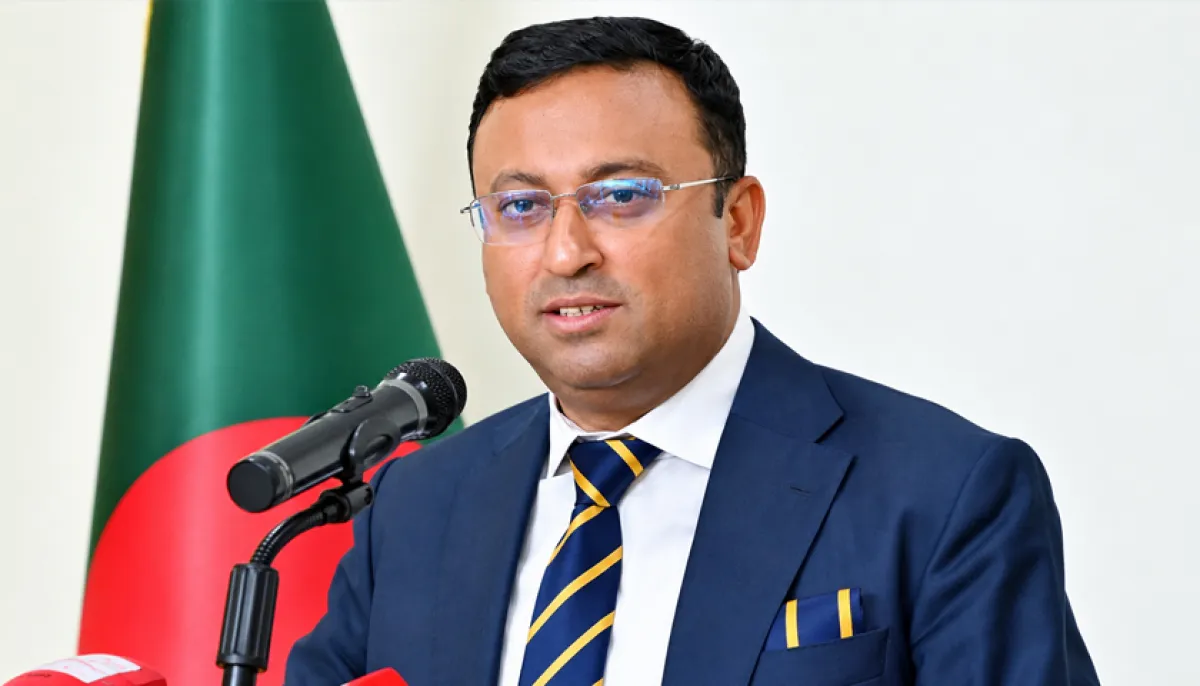
DHAKA, Aug 24, 2026 (BSS) - Public Administration Adviser and BNP Standing Committee member Md. Ismail Zabihullah has said the government will become more efficient through the use of artificial intelligence (AI), making citizen services easier and more accessible.
“Artificial intelligence is extremely important at the present time. Through its use, the government will be able to take decisions more efficiently and quickly, reduce administrative complexities and improve citizen services,” he said.
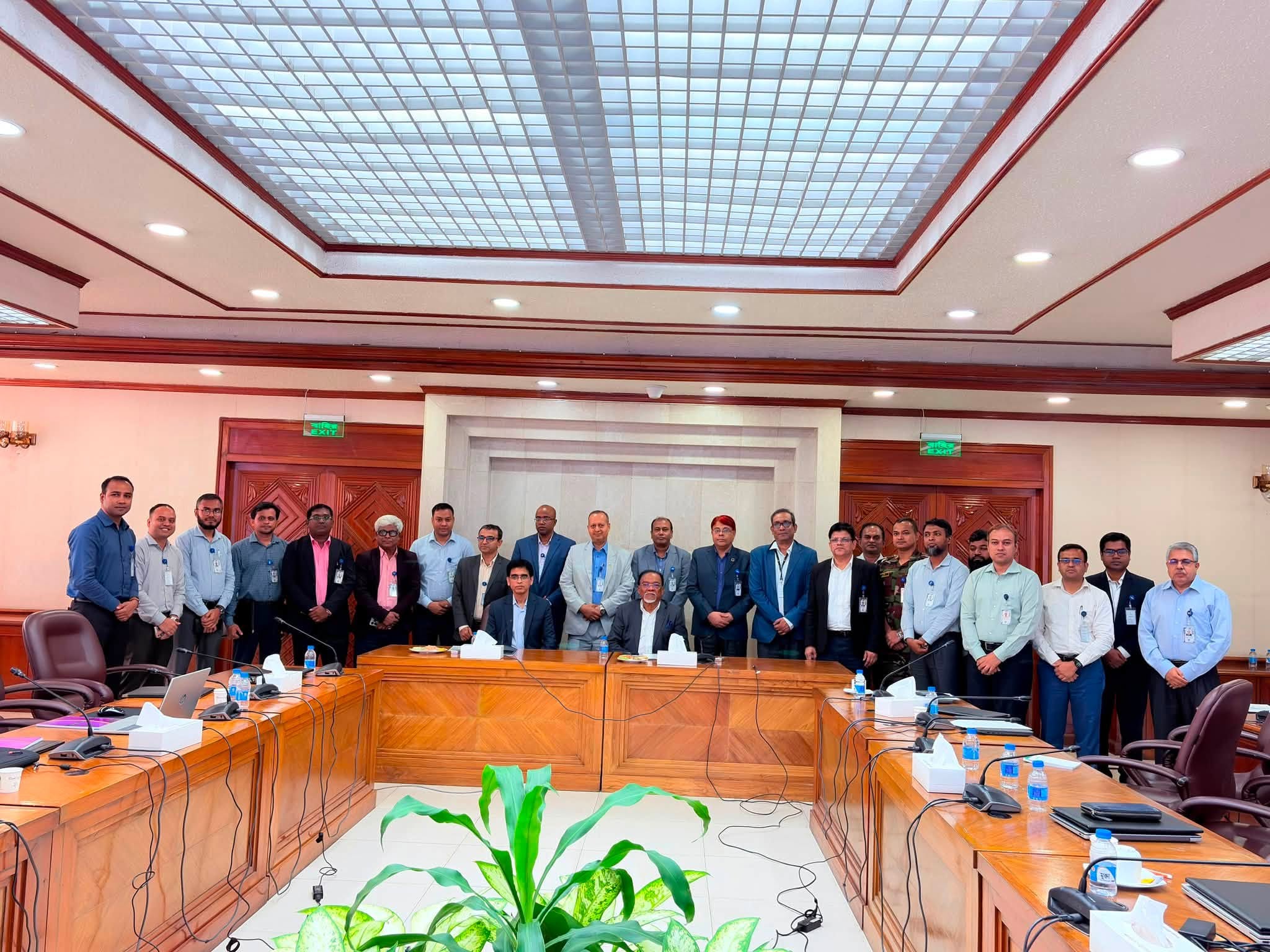
He made the remarks while addressing the closing and certificate distribution ceremony of a five-day training programme titled “Strategic Use of AI Tools and Cyber Security for PMO Officials” today.
The training was jointly organised by the Governance Innovation Unit (GIU) of the Prime Minister’s Office and the ICT Division under the Enhancing Digital Government and Economy (EDGE) project.
Zabihullah said AI will play an important role in developing skilled human resources, expanding opportunities for research and innovation to build a knowledge-based economy, and increasing productivity to remain competitive in the global market.
“Our goal is not just to demonstrate the use of technology; rather, it is to make people’s lives easier through technology. We want to build a smart government system where citizens can receive services easily and quickly, decisions are data-driven, and the administration is more effective, efficient and citizen-friendly,” he said.
The adviser said that following the agricultural, industrial and digital revolutions that shaped the advancement of civilisation, the revolution of artificial intelligence has now begun. Keeping pace with this change, new technologies must be adopted alongside conventional methods in state management, citizen services and administrative activities.
The proper use of artificial intelligence can make the administration more efficient, faster, more transparent and citizen-friendly, he added.
He further said AI is now being used in data analysis, decision-making, accelerating work and improving service quality. Artificial intelligence is not a substitute for humans; rather, it is a powerful tool for enhancing human capabilities and efficiency. Technology can never replace human wisdom and leadership; instead, artificial intelligence will assist in wisdom-driven decision-making, he said.
Zabihullah said the real success of the training would depend on the practical application of the knowledge and skills acquired in the workplace. This knowledge will make labour-intensive government work and cyber-risk management easier, he said.
“Our goal is to build a smart, efficient and people-centred administration,” he said. A smart public administration will reduce the burden of regular and repetitive tasks and allow officials to focus more on important and creative work. As a result, administrative efficiency will increase and citizens will receive faster, easier and higher-quality services, he continued.
He said technological change would also bring new challenges. Therefore, people must be prepared for this transition. Some conventional or routine tasks may change due to the use of technology, while new types of skills will also be required. Officials must therefore be trained in new skills, with particular emphasis on basic knowledge of artificial intelligence, digital skills and information-analysis capabilities, he added.
He said increasing human-AI collaboration by combining human skills with the capabilities of artificial intelligence would be one of the most important goals of the future.
ICT Division Secretary Md. Mamunur Rashid Bhuiyan said officials of all ministries would gradually be brought under the training programme. The government is also working regularly on cybersecurity alongside artificial intelligence. A policy on artificial intelligence will be formulated very soon, he added.
At the end of the programme, the adviser distributed certificates among officials of different sections of the Prime Minister’s Office who participated in the training.