Sunday
09 August, 2026
News Flash
News Flash
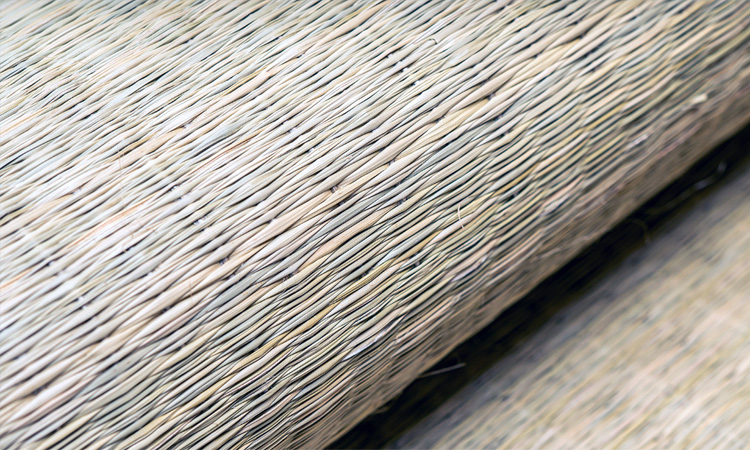
DHAKA, Aug 9, 2026 (BSS) – Traditional Madur or Mat-weaving industry, an eco-friendly craft of country’s Khulna region, is now disappearing in course of time due to high raw materials cost and cheap plastic alternatives.
The mat weavers, most of them are women forced to switch their professions and sought government intervention amid myriads of challenges including scarcity and high price of locally produced Mele grass (madurkathi) and availability of cheap plastic mats.
The rising popularity of foam mattresses, bed sheets, and cheap plastic mats has drastically reduced consumer demand.
Local weavers require institutional aid, government sponsorship, and low-interest loans to revive mele grass cultivation and preserve this eco-friendly heritage.
Satkhira district under Khulna division, historically a hub of the Mat-weaving industry and millions of local people once depended on this industry for their livelihood.
Under the district, the people of Barodal, Kullya and Kadakati unions of Ashasuni upazila were involved in the handicrafts as the locally produced mele grasses were abundantly cultivated in these areas.
In South Khulna, adjacent of Mangrove Sundarbans forest, huge locally produced mats were sold at these two largest rural markets Barodhal and Badhuhata as the sellers gathered at these rural hats on every Sunday, Friday and Monday for selling the locally produced mats.
Then these mats also were sold to different surrounding areas including Khulna and Jashore. But now the selling of these mats is not like the previous scale at these rural hats.
On the other hand, increase use of mattress, Bed sheet and plastic mats led to a drastic reduction of these traditional craft mats made by the people.
More than 300 families of Ashasuni and Tala upazilas are now living on the traditional mat weaving industry. They sought government intervention to survive this eco-friendly industry.
Regarding the profit margin from selling a mat, Sudir Mondal, a craftsman of Barodal village, a 22-km away from Ashasuni upazila, said the profit from selling a small size mat is not more than Taka 100-150 while the production cost is around Taka 200-250 and selling price is Taka 300-350.
For production of each big size Mat, the production cost stands Taka 450-500 while the selling price is Taka 550-600.
As the local markets have been flooded with the plastic mats, so the price of the locally produced mat has been reduced exhaustively, Mondol told BSS.
Apart from this, the crisis and higher price of mele grass, a prime ingredient of mat, once grown on a swath of agricultural land but the production of the grass now has been shrunk, he said.
The selling price of locally produced mat is not at all profitable as we are getting fewer prices comparing the past, he said, but we are with this profession due to over age and lack of expertise in other profession.
“It is very much difficult to live on this profession”, said Sarala Rani, wife of Sudir Mondal, who assist her husband in mat weaving along with her household works.
“There is no demand of this locally produced mat and profit margin from selling mat is also very low”, said Lutfar Morol, a Mat traders of Kachua village of Ashasuni upazila.
Morol usually buy mat under wholesale price from different local markets like Barodal, Khajra Baintala and sold it to Satkhira, Patkelghata and Khulna.
Only Taka 200 could be profited by producing two pair of mats in a day, said a 55-year old Gobinda Mondol, a resident of Tetulia village of Ashasuni upazila where 90 percent families were living on the profession only two decades ago.
At present, only a handful of families produce mats.
Regarding the scarcity of the raw materials like mele grass, Tarapada Mondal, another 60-year old craftsman of Jaduardangi village of Ashasuni upazila said few years past, mats were sold at Paikgacha, Dumuria and Koira trading centers, saying that but now the mat production is being hampered as mele grass was not grown extensively in the district.
Seeking government intervention for sustaining the mat-weaving industry, Nasim Faruk Khan Mithu, President of the Satkhira Chamber of Commerce and Industry, said the government should to come forward for surviving of the industry, otherwise the industry will go extinct from Satkhira.
Gourab Das, Deputy Manager of Bangladesh Small and Cottage Industries Corporation (BSCIC) told BSS that the mat weaving industry of Satkhira once upon a time was very much reputed one and we are working to expand its market.
To modernize the industry, the BSCIC official said we have a plan to modernize the industry and impart training and credit assistance to the entrepreneurs of this industry.