News Flash
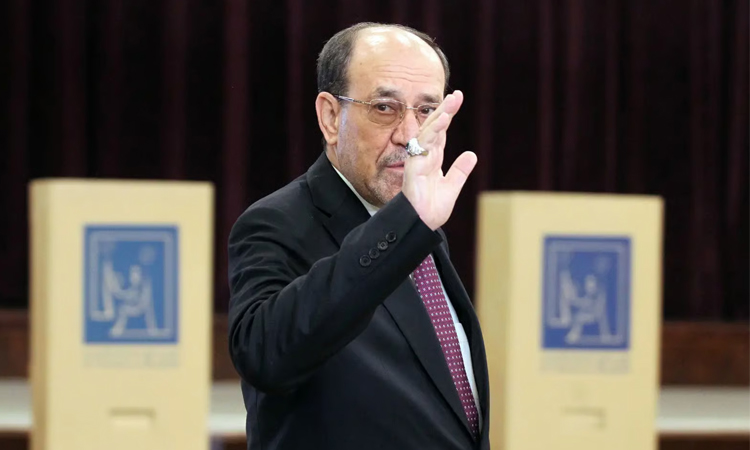
BAGHDAD, Feb 1, 2026 (BSS/AFP) - Iraq's main Shiite alliance, which holds a parliamentary majority, said it will back Nouri al-Maliki to become the next prime minister, despite US threats to end all support to the country.
The US has held significant sway over Iraqi politics since leading the 2003 invasion that ousted long-time ruler Saddam Hussein, but is an enemy of Baghdad's other main ally Iran.
Maliki, a powerbroker and shrewd politician, is Iraq's only two-term prime minister, having led the government between 2006 and 2014.
He enjoyed the support of the then US occupation, but later fell out with Washington over his growing ties with Iran.
Last week, Maliki was endorsed as Iraq's next prime minister by the Coordination Framework, an alliance of Shiite groups with varying degrees of links to Iran that has emerged in recent years as the main ruling coalition.
But. a few days later, US President Donald Trump issued an ultimatum, declaring Maliki a "very bad choice" and if he was elected the US "will no longer help Iraq".
On Saturday, the Coordination Framework said it "reiterates its support for its nominee".
"Choosing the prime minister is an exclusively Iraqi constitutional matter ... free from foreign interference," it said.
It added that it is committed to a "balanced relations with the international community, especially key global powers, based on mutual respect and non-interference in internal affairs."
- 'Final' -
After decades of conflict and chaos, Iraq has recently regained a sense of normalcy, yet its politics is haunted by the struggle to balance its relations with Iran and the United States.
The framework's statement came on the eve of a parliament session scheduled to elect the country's president. But amid political disputes, it is unclear whether the required quorum will be reached.
Once elected, the president will have 15 days to appoint a prime minister, typically nominated by the largest Shiite bloc.
By convention, a Shiite holds the powerful post of prime minister, the parliament speaker is a Sunni and the largely ceremonial presidency goes to a Kurd.
But the Kurds have yet to agree on a presidential candidate and -- in a country with chronically volatile politics-driven by internal disputes and foreign pressure -- key decisions are often delayed beyond constitutional deadlines.
Two sources close to the Coordination Framework told AFP that earlier this week Maliki met US representatives in Baghdad, who told him that Washington's decision is "final".
One source said that Shiite leaders are divided: some wanted Maliki to retreat fearing US sanctions if he returns to office.
Iraq is struggling with weak economic growth and cannot risk punitive measures by the US, which has already taken action against several Iraqi entities, accusing them of helping Tehran evade sanctions.