Wednesday
26 August, 2026
News Flash
News Flash
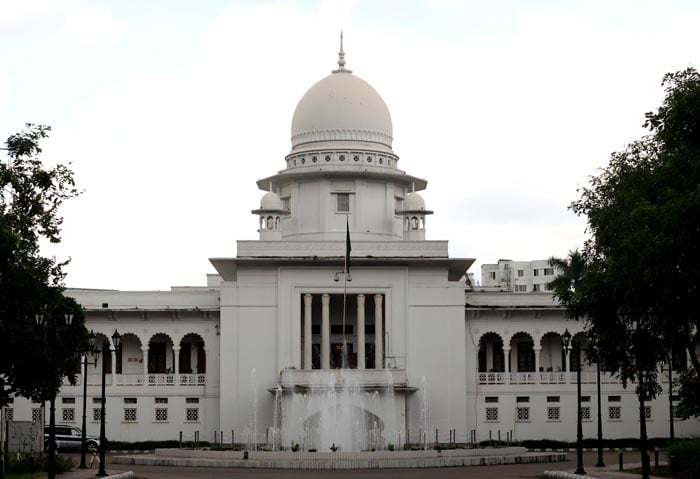
by SM Ashikuzzaman
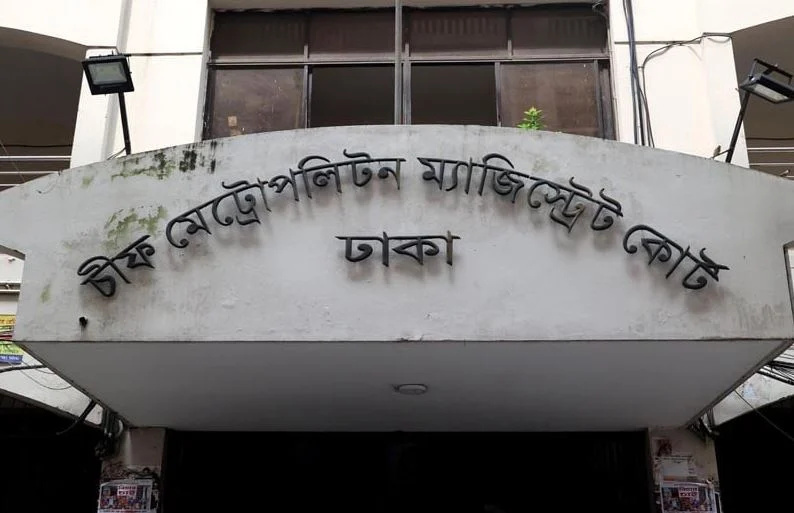
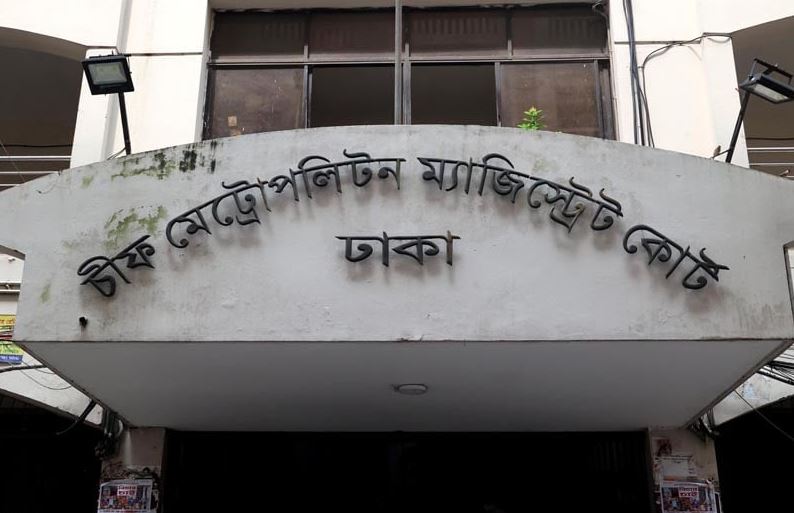
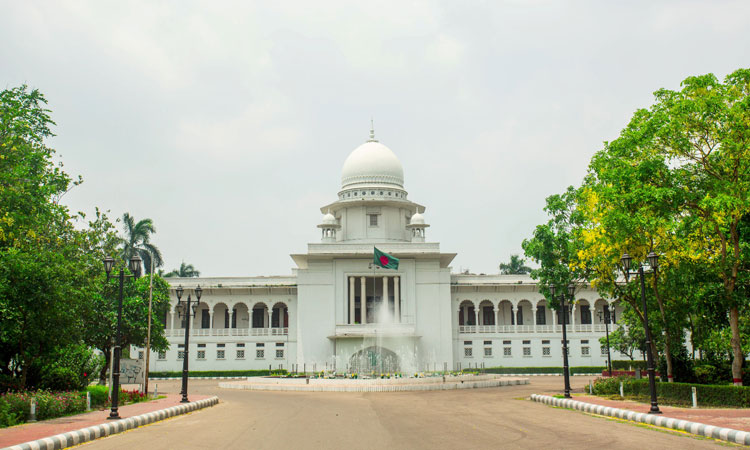
DHAKA, July 22, 2026 (BSS) - The High Court's (HC) judicial interventions against river encroachment, hill cutting, deforestation, air and noise pollution, and illegal brick kilns have set a precedent for advancing environmental justice.
A series of landmark judgments and directives by the High Court have played a vital role in ensuring a liveable environment for future generations. Some of the most notable among them include:
Permission required for cutting trees: On January 28, 2025, the High Court, in a landmark judgment, directed the formation of committees to approve tree felling in Dhaka as well as other district towns and upazilas. The court ruled that no trees could be cut in these areas without prior approval from the committees. However, the directive does not apply to privately owned trees in rural areas.
Rivers declared ‘living entities’: In a landmark judgment delivered in 2019, the High Court declared all rivers in Bangladesh as "living entities." The court also designated the National River Conservation Commission as the legal guardian of the country's rivers and directed the authorities to take stringent measures to prevent river pollution and encroachment.
Orders to halt hill cutting: The High Court has issued a series of directives to stop indiscriminate hill cutting in different parts of the country to prevent environmental degradation. On February 11, 2024, the court directed the authorities to take immediate steps to halt hill cutting in Lohagara upazila of Chattogram. In separate orders, it also ordered an end to hill cutting in Dinarpur of Nabiganj upazila in Habiganj and in the Lalmai Hills of Cumilla.
Later, on April 2, 2024, the High Court directed the authorities to stop hill cutting in Sajek, a popular tourist destination in Baghaichhari upazila of the Rangamati Hill District.
Nine directives to curb air pollution: On January 13, 2020, the High Court issued a nine-point directive to address air pollution in the capital. The directives included-
1. Trucks carrying sand or soil within Dhaka must transport their loads under proper cover.
2. Construction materials at all ongoing construction sites must be covered to prevent dust pollution.
3. The authorities must ensure regular water spraying on roads in areas where such measures are not being implemented, in line with previous court directives.
4. Construction work under mega road projects and road carpeting must strictly comply with applicable laws, regulations, and contractual terms and conditions.
5. Vehicles emitting black smoke must be seized.
6. The economic lifespan of vehicles must be determined under the Road Transport Act, and overage vehicles must be barred from operating on the roads.
7. All unlicensed brick kilns that remain operational must be shut down, and a compliance report must be submitted to the court within two months.
8. Tyre burning and battery recycling without approval from the Department of Environment must be stopped.
9. Markets and shops must keep their waste properly bagged, and city corporations were directed to remove the waste after business hours.
Relocation of Hazaribagh tanneries: Following a writ petition filed by the Bangladesh Environmental Lawyers Association (BELA), the High Court in 2009 directed the relocation of tanneries from Hazaribagh in Dhaka to Savar. The Appellate Division of the Supreme Court later upheld the High Court's order, paving the way for the relocation of the leather industry to Savar.
Protection of Cox's Bazar Sea Beach: On November 9, 2022, the High Court directed the authorities to take necessary measures to preserve the natural characteristics of Cox's Bazar Sea Beach. Earlier, on June 7, 2011, the court ordered the eviction of illegal structures from the Jhilonja, Sugandha and Laboni Point areas of the beach to protect the country's premier tourist destination.
Sundarbans described as Bangladesh's 'lungs': During the hearing of a writ petition on August 27, 2019, the High Court described the Sundarbans as the "lungs of Bangladesh," observing that just as the Amazon rainforest is regarded as the lungs of the Earth, the Sundarbans serve the same vital role for Bangladesh.
In another landmark judgment delivered in 2021, the High Court ruled that no engine-powered boats or trawlers would be allowed to operate in canals within the protected and reserved areas of the Sundarbans under any circumstances.
The court further directed that crab collectors would be permitted to harvest crabs only after obtaining passes from the relevant Forest Department station offices by paying the prescribed fees. They would be allowed to use only manually rowboats and traditional rope-based methods to catch crabs of the specified weight.
The High Court also ordered Forest Department officials to conduct strict inspections of boats and their occupants before allowing entry into the Sundarbans to ensure that no charu (a bamboo crab trap), poison, or any other illegal items are taken into the forest.
In its observations, the court stated that the Sundarbans are a national asset and the primary source of livelihood and protection for a vast population in the country's south-western region. Preserving the forest, the court said, is essential not only for sustaining the lives and livelihoods of these communities but also for protecting the region from natural disasters.
Orders to shut down illegal brick kilns: The High Court has issued a number of directives over the years ordering the closure of illegal brick. As a result, numerous illegal brick kilns have been demolished, fined, and disconnected from electricity and gas supplies.
On November 28, 2024, the High Court further directed the authorities to take necessary steps to ensure that illegal brick kilns across all eight divisions of the country do not resume operations.
Commenting on the role of the higher judiciary in environmental protection, Supreme Court senior lawyer Manzill Murshid told BSS that although Bangladesh enacted the Environment Conservation Act in 1995 and later framed the relevant rules, there had been little effective enforcement of those laws for many years.
"However, various judgments and directives of the High Court have compelled the authorities to take a wide range of measures to protect the environment. Public interest litigation (PIL) and the High Court's directives have brought about significant improvements in environmental protection. Overall, the judgments and orders of the higher judiciary are undoubtedly commendable steps towards safeguarding the environment," he said.