News Flash
By Kamrul Hasan
CUMILLA, March 10, 2026 (BSS) - Nestled in the heart of Cumilla, the batik industry remains a cherished part of the district's cultural heritage, alongside its famed rosmalai and khadi. Though the once-vibrant craft has faded over time due to limited government support, local entrepreneurs remain hopeful and determined to revive and expand the traditional industry.
As Eid market buzzes with activity, batik products, including sarees, three-piece suits, bedsheets, and punjabi cloth, are shining brightly among buyers.
The demand for batik continues to rise, especially during festive seasons, cementing its place as one of the region's most sought-after products.
The roots of Cumilla's batik industry trace back over fifty years to Kamalpur village in Sadar upazila. It was there that two brothers, Lal Mia and Mohan Mia, introduced the craft after learning it in India. Over time, the brothers' skill and passion led to the establishment of approximately 25 batik factories in Kamalpur and surrounding areas.
These factories produce a wide array of batik products, from sarees and shirts to bed sheets and lungis. The products not only meet local demand but are also supplied to various districts across the country, including Dhaka, Chattogram and Sylhet, and are even exported abroad.
Today, batik has become one of the most recognized products from Cumilla, second only to the region's famed khadi. Local markets in Cumilla, such as Manoharpur, Kandirpar, and Ramghat, are home to around 200 shops dedicated to selling batik goods.
Hamid Chowdhury, a factory worker with twelve years of experience, shared, "I handle all the steps myself - cleaning, washing, and dyeing the cloth. After Bihari (cleaning), I remove the wax, and then the cloth is ready for the next step."
Batik artisan Mushfiqur Rahman Monna explained his role, "I specialize in three-piece designs. We begin with white cloth, block it with wax, and then dye it in a single color. I can complete 20-30 pieces in a day."
The batik workshops are a testament to the collaborative effort of local workers. Women artisans, too, play a crucial role, applying delicate layers of paint to cloth, adding vibrancy and life to each piece. "We work together, helping each other when someone doesn't understand the process," said one worker. "We can each paint 30-40 pieces of cloth every day."
For Ritu Akhter, who joined the factory three months ago, the work is fulfilling. "The tasks assigned by the manager determine our wages," she said. "The more skilled you are, the more you earn, but overall, I'm satisfied with the environment and the pay."
Abu Said, the owner of Cumilla New Batik House, described the daily operations of his factory: "About 15-20 people work here every day, and we produce various items, including cotton three-pieces, silk sarees, and lungis. Our work is measured weekly, based on production."
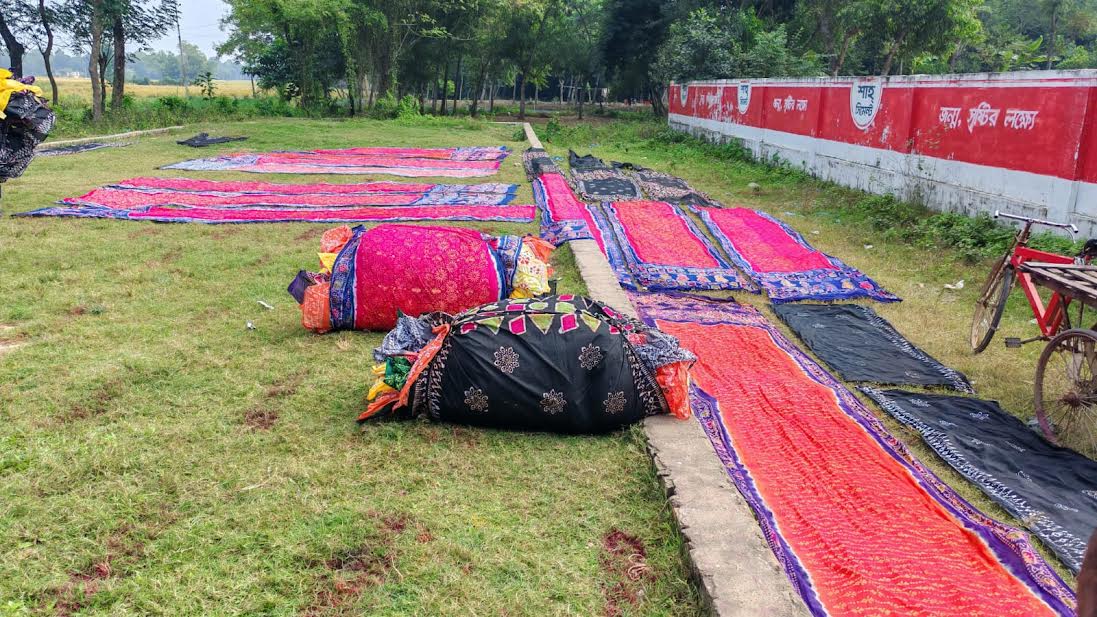
The demand for batik fluctuates with the seasons. In summer, when batik is in high demand, the industry thrives, but during the winter months, business slows down, and fewer workers are employed. The unpredictable nature of the industry, heavily reliant on weather conditions, makes sustaining the workforce a challenge, especially when capital is low.
Despite these obstacles, the entrepreneurs of Kamalpur remain hopeful. Many believe that with government incentives, low-interest loans, or even a little financial backing, the batik industry in Cumilla could be revived and expanded, reclaiming its spot on the global stage.
Rashedul Islam, a local moneylender in the batik industry, voiced his concerns: "My father started this factory 35 years ago, and I have been managing it for the past five years. Our business depends on nature. If there's no sun, the work stops, and demand is lower in winter. Without proper financial support, it's difficult to keep the business going and sustain our workers. If the government could provide loans at lower interest rates, it would help expand the industry."
The batik factories of Cumilla are more than just places of work; they are communities. The shared effort of men and women, young and old, is what keeps the tradition alive. Together, they not only create beautiful products but also celebrate the enduring legacy of Bengali craftsmanship.
As the industry seeks governmental aid, the dream of reviving Cumilla's batik industry remains steadfast. With the right support, the colorful art of batik could once again shine brightly, becoming a symbol of both local pride and global recognition.