Tuesday
25 August, 2026
News Flash
News Flash
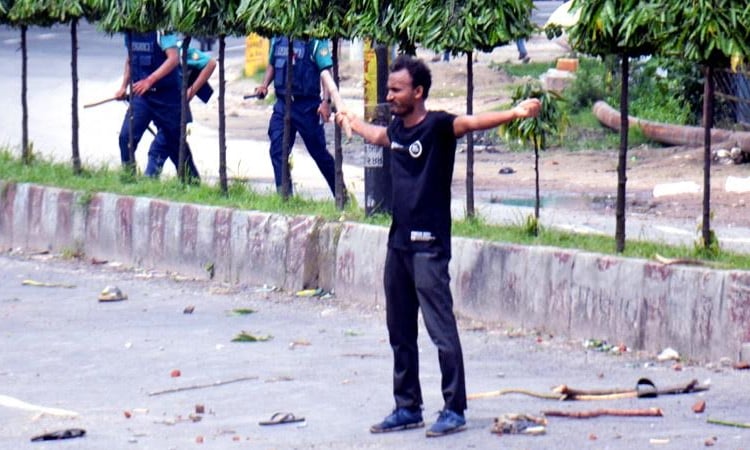
DHAKA, July 16, 2026 (BSS) – The country today is observing July Martyrs' Day, commemorating the martyrs of the 2024 July Mass Uprising with special remembrance of Begum Rokeya University student Abu Sayed, whose fatal shooting by police in Rangpur on this day became the turning point that transformed the anti-discrimination student movement into a nationwide mass uprising.
In its landmark judgment in the Abu Sayed killing case, the International Crimes Tribunal-2 (ICT-2) held that the killing constituted a crime against humanity, describing it as an act of deliberate brutality against innocent civilians. The tribunal further observed that the events between July 1 and August 5, 2024, constituted a systematic pattern of repression rather than isolated incidents of police misconduct.
The ICT-2 delivered the verdict on April 9, 2026, sentencing former assistant sub-inspector (ASI) Amir Hossain and former constable Sujan Chandra Roy to death. In its 809-page judgment, the tribunal, led by Justice Nozrul Islam Chowdhury, identified former assistant commissioner Md Arifuzzaman, former officer-in-charge of Tajhat Police Station Md Robiul Islam and former sub-inspector Bivuti Bhushan Roy as field commanders, sentencing them to life imprisonment for exercising operational control and for their "failure to prevent" the unlawful acts of their subordinates on the day.
The tribunal also found 25 others, including former Begum Rokeya University, Rangpur (BRUR) vice-chancellor Prof Dr Md Hasibur Rashid and former Rangpur Metropolitan Police commissioner Md Moniruzzaman, guilty. It sentenced 24 of them to different jail terms; while former BRUR staff member Md Anwar Pervej, though found guilty, was ordered to be released immediately after the court considered the period he had already spent in custody as sufficient to serve his sentence.
Describing the crimes committed against civilians as part of a state policy of suppression, the tribunal said it had identified a high-level institutional policy involving "shoot-on-sight" orders and the use of the state apparatus to crush dissent.
The judgment further observed that university officials, police commanders and political cadres had acted in concert to facilitate murders and torture.
In its concluding observations, the tribunal said the sentences were intended to balance the rights of the accused with the victims' fundamental entitlement to truth and accountability. It added that the landmark verdict serves as a stern warning against the misuse of state power and institutional authority in suppressing civilian dissent.