News Flash
LONDON, Nov 11, 2025 (BSS/AFP) - One of the UK's under-fire water companies apologised Monday after plastic pellets washed up en masse on beaches in southern England, conceding it was "highly likely" behind the recent pollution.
Southern Water, which provides water and sewage services to millions of customers across a swathe of southern England, blamed a "failure" at one of its treatment facilities.
It is just the latest polluting incident involving one of the country's much-criticised water firms, which have drawn the ire of communities across Britain for repeatedly pumping sewage into waterways and seas.
In response, the government has begun to overhaul the water regulation system, including tightening sanctions against sector executives.
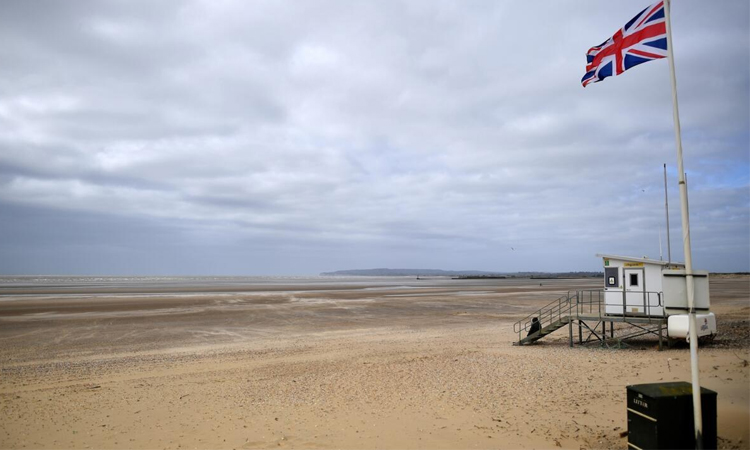
Environmental monitoring group Strandliners estimated the latest incident has resulted in millions of pellets washing up at Camber Sands in East Sussex, calling it "the worst plastic pellet pollution incident we have ever seen here".
"The impact on the environment and local wildlife can be catastrophic, it added, noting that birds and marine animals easily mistake the toxic plastic pellets for food.
After completing the initial stages of an ongoing investigation, Southern Water said it was "highly likely that the beads have come from our Eastbourne Wastewater Treatment Works".
It added "a failure of a screening filter" appeared to have led to "beads used in the treatment process being released into the sea during heavy rainfall".
"We are very sorry this has happened and are doing everything possible to investigate and resolve the problem," the firm said in a statement.
Water Minister Emma Hardy said she was "deeply disappointed" and had spoken to the company's CEO.
"The immediate priority now needs to be addressing any environmental damage and minimising further impacts," she added.
Hardy noted the Environment Agency watchdog was conducting "a thorough investigation" and "looking at what regulatory action should be taken".
The black "bio-beads", a few millimeters in size, are used to filter bacteria in wastewater treatment plants and are hard to remove once mixed with sand and algae.
Once ingested by wildlife, they are difficult to expel and animals either die of starvation or from the cumulative effects of the toxins they contain, according to Strandliners.
Rother District Council, the local authority leading the clean-up, said it hoped that the majority of the pellets would be removed by Monday, after six days of efforts by volunteers and professionals.
It added that more pellets would continue to wash ashore with the tides.