Tuesday
25 August, 2026
News Flash
News Flash
DHAKA, Aug 25, 2026 (BSS) - Different diplomatic missions stationed here today vowed to keep the Rohingya crisis on the global agenda as it enters its tenth year, pledging continued efforts towards justice, accountability and sustained international support.
"As this crisis enters its tenth year, we must ensure that the Rohingya people are not forgotten," said 16 missions, including those of the United Kingdom, European Union, Canada and Japan, in a joint statement marking nine years since the mass displacement of Rohingyas from Myanmar.
"We will continue to amplify the voices of Rohingya communities, pursue justice and accountability, and work with Bangladesh and international partners to sustain global support," they said.
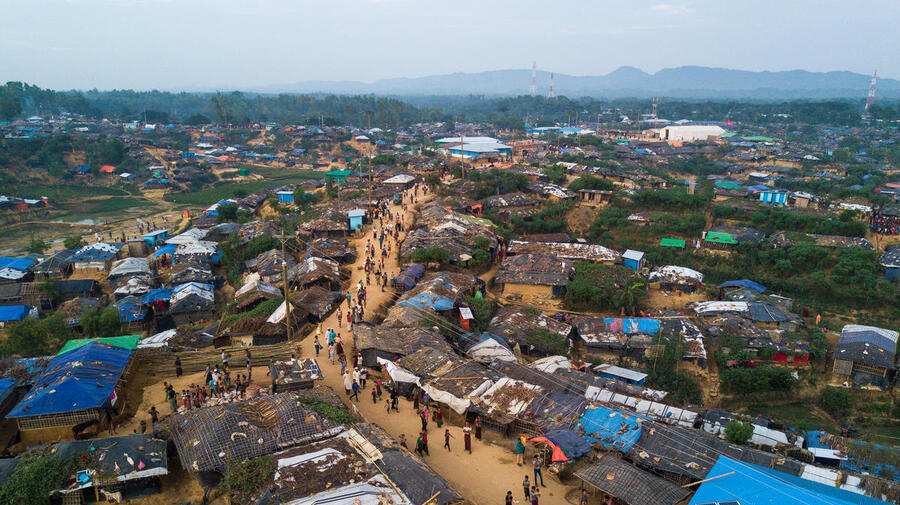
The statement said nearly 1.2 million Rohingyas remain in Bangladesh nine years after their mass displacement from Myanmar.
Marking the anniversary, they paid tribute to the resilience, courage and dignity of the Rohingya communities in the face of prolonged displacement and hardship.
They also expressed gratitude to the government and people of Bangladesh for providing refuge to the Rohingyas for nearly a decade.
The missions reaffirmed the Rohingyas' right to return to their homes in Myanmar, but observed that the prevailing situation in Rakhine State remains unconducive to repatriation.
"Regrettably, conflict is escalating across Rakhine and humanitarian need is rising," the statement said.
It said deepening insecurity, airstrikes on civilian infrastructure and blockades on aid and trade by Myanmar authorities are worsening the humanitarian situation.
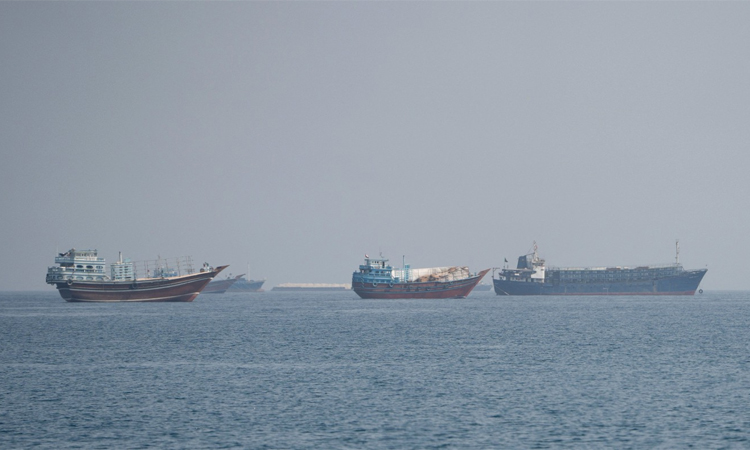
The instability is also driving further displacement into Bangladesh and across the region, while dangerous sea crossings are resulting in tragic loss of life, it added.
"These conditions do not currently allow for voluntary, safe, dignified and sustainable repatriation," the missions said.
They stressed that creating conditions conducive to return would require a strategic, coordinated and long-term approach addressing the root causes of displacement, building trust among communities and promoting greater peace and stability in Myanmar.
Successful repatriation, they said, would also require equipping Rohingyas with education and skills necessary to rebuild their homes, livelihoods and communities in Rakhine.
The missions pledged to continue working with Bangladesh to find pathways towards creating conditions for repatriation.
Until such conditions emerge, they reaffirmed their commitment to supporting the Rohingyas in Bangladesh as well as the communities hosting them, including through measures aimed at strengthening self-reliance.
The statement also stressed that the future of the Rohingya response depends not only on sustaining humanitarian assistance but also on improving the way such support is delivered.
The missions backed efforts to strengthen local leadership and increase the role of Bangladeshi and refugee-led actors in shaping and delivering humanitarian assistance.
"Rohingya voices must be at the centre of decisions that affect their lives and futures," the statement said.