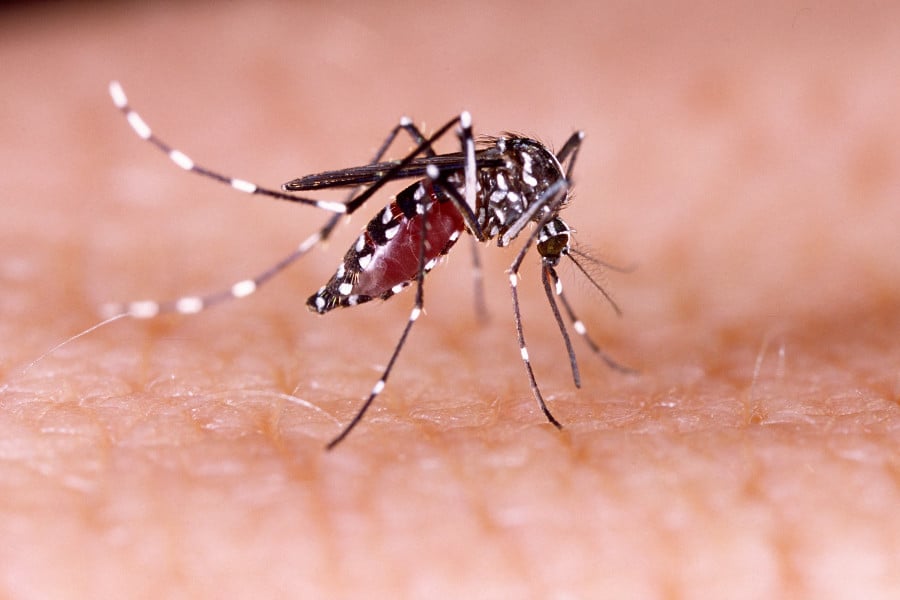
DHAKA, June 7, 2026 (BSS) - The government has taken extensive preparations to prevent the spread of dengue and chikungunya ahead of the upcoming monsoon season.
As part of the preparation, the govt. has been strengthening preventive measures across the country through coordinated efforts involving the Ministry of Health and Family Welfare, the Directorate General of Health Services (DGHS), the Local Government Division, city corporations and local administrations.
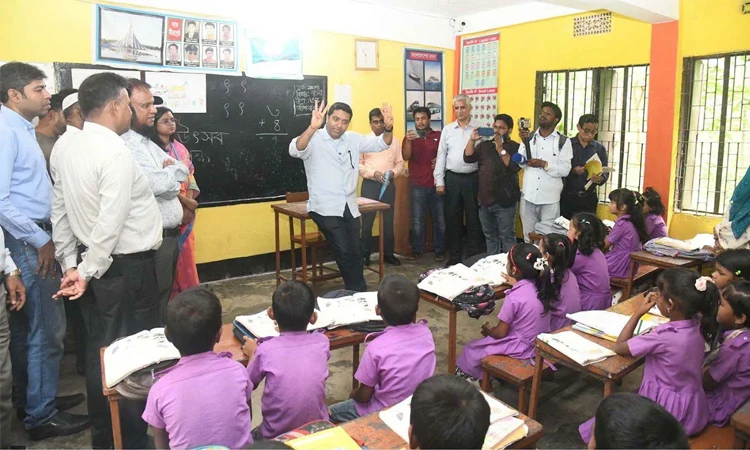
Awareness rallies, promotional campaigns through Baul songs, weekly cleanliness drives, community meetings, courtyard gatherings and various public awareness programmes have already been launched nationwide.
At the same time, 'Dengue Corners' have been introduced at Upazila Health Complexes, while training for doctors and nurses, preparation of field hospitals, procurement of reagents and testing kits, and stockpiling of essential medicines and oral saline have been ensured.
To tackle the mosquito-borne diseases, the country's seven city corporations have launched advance preparedness programmes and are implementing separate initiatives in their respective areas.
For the first time, DSCC has conducted a pre-monsoon Aedes mosquito larva survey while DNCC has launched an innovative music-based awareness campaign aimed at increasing public awareness on dengue prevention.
Speaking to Bangladesh Sangbad Sangstha (BSS), Health and Family Welfare Minister Sardar Md Sakhawat Hossain said the government has taken comprehensive preparations to combat dengue.
"Dengue Corners are being established at Upazila Health Complexes and special training is being provided to doctors and nurses," he said.
The minister said a field hospital has been kept ready at the Dhaka Medical College Hospital campus as part of the preparedness measures. Additional field hospitals will be established if required.
He said private hospitals have been instructed to reserve at least 10 percent of their beds for dengue patients.
Physicians have also been requested not to charge consultation fees from dengue patients, while diagnostic test costs have been requested to be reduced by up to 80 percent.
The minister further said the government currently has a stock of nearly 200,000 bags of oral saline and initiatives have been taken to further increase the reserve.
As part of awareness program, nationwide awareness rally was held today and the health minister inaugurated a three-month special cleanliness and public awareness campaign across the country under the initiative of the Ministry.
The minister said regular mobile courts would be conducted to prevent dengue. Legal action will be taken against individuals if Aedes mosquito larvae are found in any house, institution or establishment. Mobile courts are planned to be conducted every two to three days.
"Dengue prevention is not the responsibility of the government alone but it is a collective responsibility of all. Just as everyone worked together during the COVID-19 pandemic, collective effort is needed to prevent dengue as well," he added.
State Minister for Health Dr. M A Muhit said the situation could be brought largely under control if every citizen takes dengue prevention as a personal responsibility.
He said a special three-month programme has been taken to raise public awareness. The main objectives are to strengthen cleanliness activities, eliminate Aedes mosquito breeding sites and transform dengue prevention into a social movement through public participation.
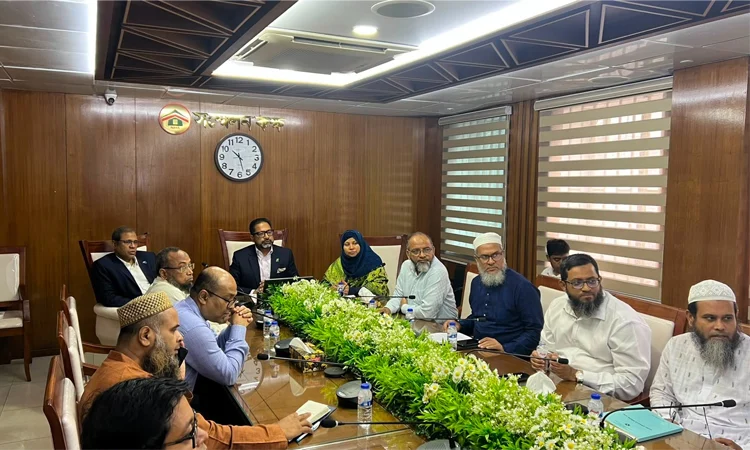
Mentioning efforts to involve religious leaders in dengue prevention, the state minister said imams would deliver awareness messages on cleanliness and dengue prevention during Friday Jumma prayers.
DSCC Administrator Md Abdus Salam told BSS that the responsibility is shared equally between citizens and the city corporation. “Dengue can be controlled through the combined efforts of both," he said.
He said a five-day special crash programme has been launched in high-risk wards. The health and waste management departments are jointly implementing the programme.
With collective effort by government and the public it is highly expected to reduce dengue infection significantly, if the taken measures are being implemented properly.