Wednesday
29 July, 2026
News Flash
News Flash
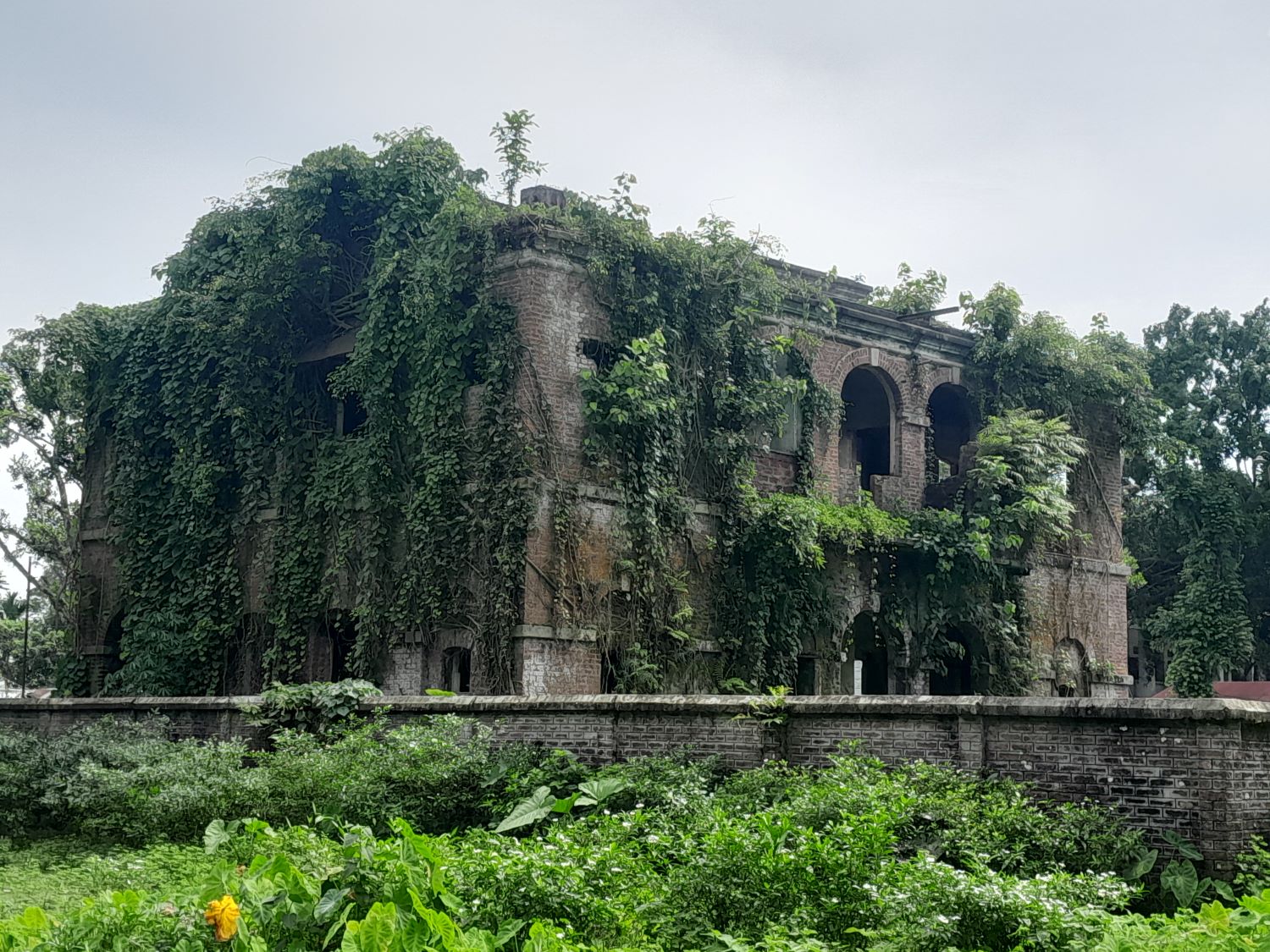
LALMONIRHAT, July 28, 2026 (BSS) - Nearly half of the railway staff quarters in Lalmonirhat have remained under illegal occupation for about 40 years, while more than 100 residential units have become dilapidated and uninhabitable due to years of neglect and lack of maintenance.
The prolonged illegal occupation and deterioration of railway properties have not only resulted in significant losses of government assets and potential revenue but have also turned many abandoned buildings into hubs for drug abuse and criminal activities, raising serious public safety concerns among local residents.
Known as the "Railway Town" of Bangladesh, Lalmonirhat is home to century-old railway staff quarters built on over 2,917 acres of Bangladesh Railway land. A substantial portion of these residential facilities has remained abandoned, illegally occupied and structurally unsafe for decades.
Residents said the vast stretches of unused railway land across the municipality have hindered planned urban development, industrial expansion, commercial investment, and the construction of modern infrastructure. They believe proper management of these valuable government assets could unlock new opportunities for the district's economic growth.
Bangladesh Railway's Divisional Engineer Md. Shipon Ali said the government receives no rental income from the illegally occupied quarters, resulting in a significant loss of potential state revenue.
Municipal official and urban planner A.S.M. Ashrafuzzaman Talukder told BSS that coordinated planning between the municipality and Bangladesh Railway could ensure productive use of these lands and create new development opportunities.
Afirul Islam, a lecturer in the Department of Economics at Majida Khatun Government Women's College, said the planned utilization of unused railway land could contribute significantly to industrialization, employment generation, increased government revenue and sustainable urban development.
Historical records show that railway operations began in the region in 1879 during British rule, with full railway connectivity established in 1900. By 1930, a large number of staff quarters had been constructed across the town to accommodate railway employees, around 90 percent of which are now located within the Lalmonirhat municipality.
According to Bangladesh Railway sources, Lalmonirhat has more than 850 railway staff quarters, of which approximately 450 are under illegal occupation. Another 100 quarters have become unsafe for habitation because of years of neglect, while only about 300 quarters are currently allocated legally to railway employees.
Many of the abandoned quarters, located in areas including Store Para, Driver Para, Ramkrishna Mor, Babu Para, Shishu Park and Saheb Para, are no longer occupied by railway personnel. Instead, illegal occupants have continued to reside in the deteriorating buildings for nearly four decades despite the risks posed by their poor structural condition.
Local residents allege that abandoned buildings overgrown with vegetation have become hotspots for drug abuse and other anti-social activities. They also claim that parts of railway land have been illegally occupied for shops, residential houses and other structures.
Residents Md. Abu Sayeed Mahmud and Pradip Chakrabarty said the abandoned quarters have increased the risk of drug abuse and criminal activities. They also alleged that some officially allocated railway quarters are being rented out in violation of regulations, calling for transparent investigations and corrective action.
Divisional Estate Officer and Executive Magistrate Md. Monjur Hossain said unused railway land is leased out under existing government regulations, with priority given to current occupants where applicable. He added that regular drives are being conducted to protect government property.
Regarding criminal activities in abandoned railway premises, Officer-in-Charge of Lalmonirhat Sadar Police Station Sad Ahmed said law enforcement agencies conduct regular anti-drug operations but stressed that a lasting solution requires coordinated efforts by Bangladesh Railway, police, and local communities.
Divisional Railway Manager Md. Taslim Ahmed Khan said efforts are underway to recover illegally occupied railway land and residential buildings. He added that proposals for renovating the dilapidated quarters have already been submitted to higher authorities and that abandoned railway land could be utilized for development projects under government planning.
Analysts say that renovating abandoned railway buildings, evicting illegal occupants and ensuring planned management of unused railway land would improve public safety, reduce crime, increase government revenue and accelerate Lalmonirhat's urban and economic development.