News Flash
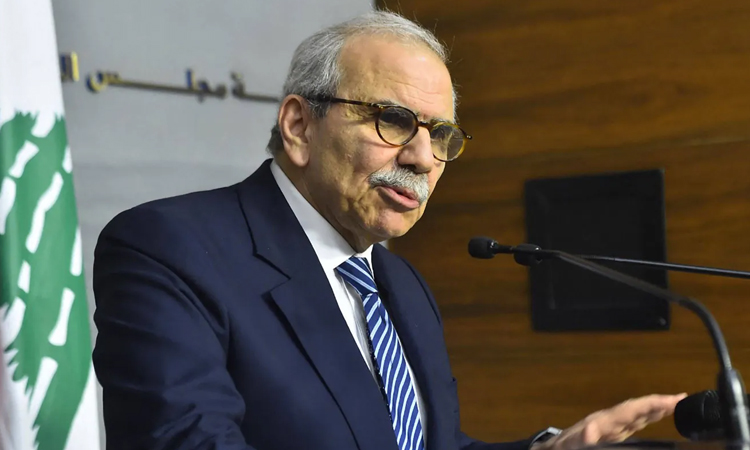
BEIRUT, Lebanon, Dec 27, 2025 (BSS/AFP) - Lebanon's government on Friday approved a draft law to distribute financial losses from the 2019 economic crisis that deprived many Lebanese of their deposits despite strong opposition from political and banking officials.
The draft law is a key demand from the international community, which has conditioned economic aid to Lebanon on financial reforms.
It will be submitted to the country's divided parliament for approval before it can become effective.
The cabinet passed the draft bill with 13 ministers in favour and nine against. It stipulates that each of the state, the central bank, commercial banks and depositors will share the losses accrued as a result of the financial crisis.
Prime Minister Nawaf Salam told journalists after the session that the bill "is not ideal... and may not meet everyone's aspirations" but is "a realistic and fair step on the path to restoring rights, stopping the collapse... and healing the banking sector".
According to government estimates, the losses resulting from the financial crisis amounted to about $70 billion, a figure that is expected to have increased over the six years that the crisis was left unaddressed.
Depositors who have less than $100,000 in the banks, and who constitute 85 percent of total accounts, will be able to recover them in full over a period of four years, Salam said.
Larger depositors will be able to obtain $100,000 while the remaining part of their funds will be compensated through tradable bonds, which will be backed by the assets of the central bank.
The central bank's portfolio includes approximately $50 billion, according to Salam.
The premier said the bill includes "accountability and oversight for the first time".
"Everyone who transferred their money before the financial collapse in 2019 by exploiting their position or influence... and everyone who benefited from excessive profits or bonuses will be held accountable and required to pay compensation of up to 30 percent of these amounts," he said.
Responding to objections from banking officials, who claim components of the bill place a major burden on the banks, Salam said the law "also aims to revive the banking sector by assessing bank assets and recapitalising them".
France, which has repeatedly pledged support for Lebanon's efforts on economic reform, welcomed the passing of the law by the cabinet, calling it "an essential first step towards restoring the confidence of the Lebanese people in Lebanon's banking system".
The International Monetary Fund, which closely monitored the drafting of the bill, previously insisted on the need to "restore the viability of the banking sector consistent with international standards" and protect small depositors.
Parliament passed a banking secrecy reform law in April, followed by a banking sector restructuring law in June, one of several key pieces of legislation aimed at reforming the financial system.
However, observers believe it is unlikely that parliament will pass the current bill before the next legislative elections in May.