News Flash
PARIS, France, March 23, 2026 (BSS/AFP) - Here are the latest economic events in the Middle East war:
- IEA chief issues warnings -
International Energy Agency chief Fatih Birol warned on Monday that the global economy is under "major threat" from the energy crisis caused by the Middle East war, adding that "no country will be immune" to its effects.
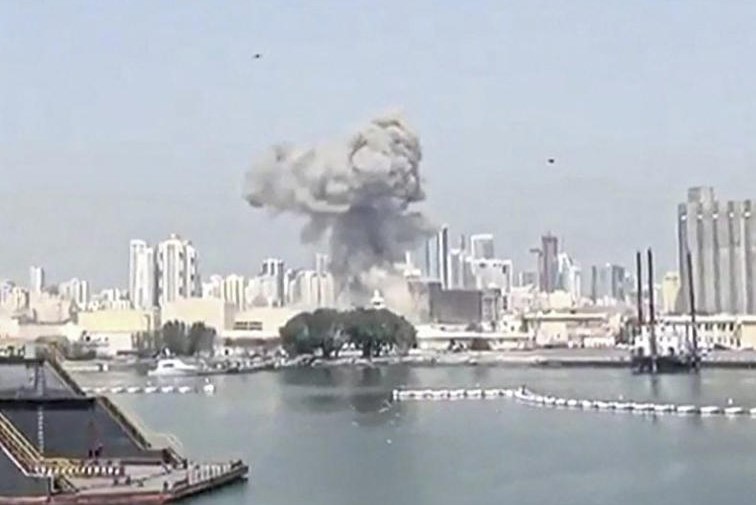
At least 40 energy assets across nine countries in the region were "severely" damaged due to the war, Birol added.
- Asian markets slump -
South Korea's benchmark Kospi index and Japan's Nikkei sharply dropped in early trade Monday following a spike in oil prices.
South Korea's won dropped to its weakest level against the US dollar in 17 years.
- US benchmark oil breaches $100 -
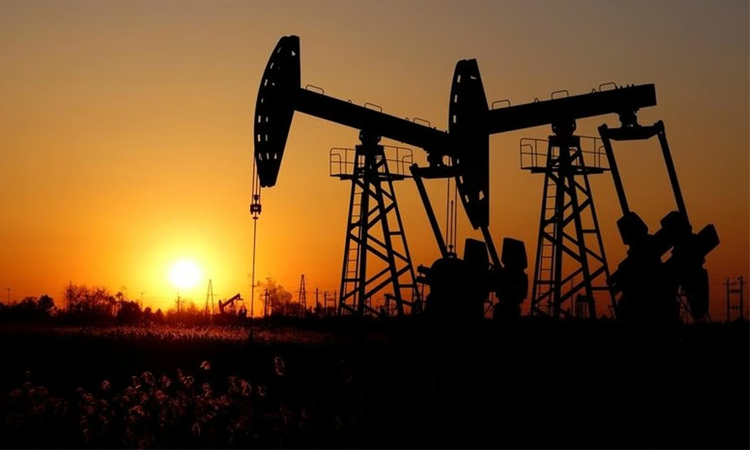
Oil prices rose early Monday after the United States and Israel warned at the weekend that the Iran war -- which has disrupted oil deliveries through the Strait of Hormuz -- would continue for several more weeks.
The price of West Texas Intermediate (WTI), the US benchmark crude, for May delivery climbed to just over $100 a barrel during early Monday trading. North Sea Brent crude was up 1.73 percent to $113.44 per barrel minutes after trading opened on the Chicago Mercantile Exchange.
- US defends easing Iran oil sanctions-
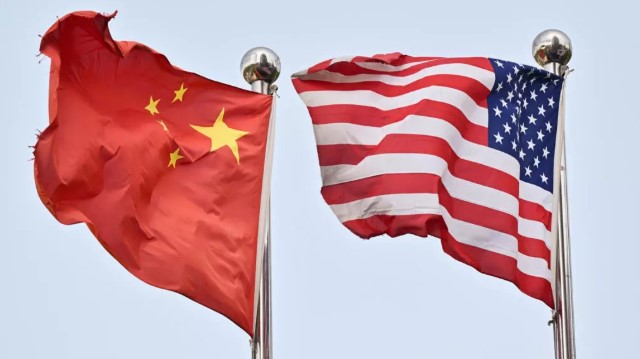
US Treasury Secretary Scott Bessent defended a temporary lifting of US sanctions on Iranian and Russian oil to quell market turmoil, saying it undercut Iran's ability to sell oil at higher prices and that it would have been sold to China in any case.
"That Iranian oil was always going to be sold to the Chinese. It was going to be sold at a discount... So which is better? If oil prices spiked to $150 and they (Iran) were getting 70 percent of that, or oil prices below 100?" he said in an NBC interview.
- Water, a new war target -
Attacks on water systems are uncommon in wartime, but Iran has threatened to target desalination plants after it said its own water and energy infrastructure had sustained damage in the ongoing war with Israel and the US.
- Long war would hurt -
If the war drags out more than six months, "all the economies of the world will be damaged", said the head of French oil giant TotalEnergies.
"If this conflict lasts three, four months, we can swallow it" thanks to existing oil inventories, CEO Patrick Pouyanne said in an interview with Chinese state broadcaster CGTN.
But with Iran's closure of the Strait of Hormuz blocking the usual route for around 20 percent of global oil production, a longer war would cause "real impacts", he warned.
- Iran threatens Hormuz -
Iran's military threatened to completely shut the Strait of Hormuz if US President Donald Trump acts on his threats to target the country's power plants.
The statement came after Trump on Saturday gave Iran a 48-hour deadline to open the strait, warning the United States would "obliterate" Iranian power plants otherwise.
"The Strait of Hormuz will be completely closed, and it will not be reopened until our destroyed power plants are rebuilt," the Iranian military's operational command Khatam Al-Anbiya said in a statement on state television.
- N. Macedonia cuts fuel tax -
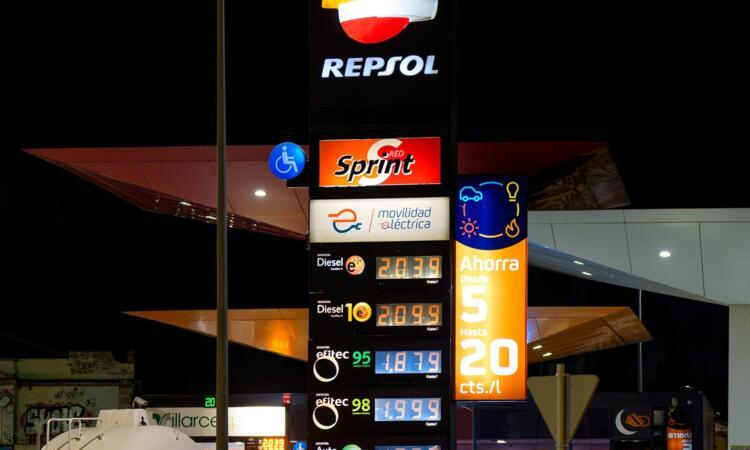
North Macedonia has cut the value added tax (VAT) on petrol and diesel from 18 percent to 10, Prime Minister Hristijan Mickoski told journalists after a government session to tackle surging prices fuelled by the war.