News Flash
DHAKA, June 25, 2026 (BSS) - Banking experts, policymakers and academics today stressed the need for strengthening Shariah-compliant liquidity management instruments and institutional capacity to support the sustainable growth of Islamic banking in Bangladesh.
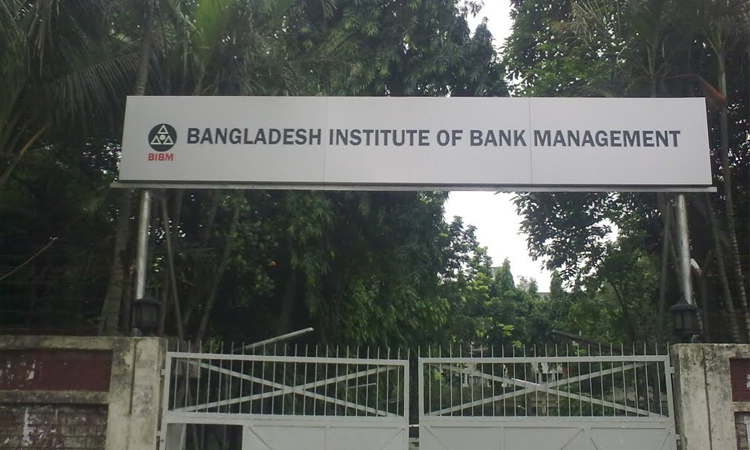
The observations came at a research workshop titled "Liquidity Management of Islamic Banks: Bangladesh Context" organised by the Bangladesh Institute of Bank Management (BIBM) at its Mirpur campus in the capital, said a press release.
Speaking as the chief guest, Dr. Md. Kabir Ahmed, deputy governor of Bangladesh Bank, underscored the importance of developing robust Shariah-compliant liquidity management tools and enhancing institutional capacity to ensure the continued resilience and expansion of the country's Islamic banking sector.
The workshop was chaired by Dr. Md. Ezazul Islam, director general of BIBM while Dr. Mohammad Tazul Islam delivered the welcome address.
In his remarks, Tazul Islam highlighted the growing significance of Islamic banking in Bangladesh and emphasized the need for effective liquidity management frameworks to maintain stability and support sustainable growth.
The workshop featured comments from a panel of experts, including Istequemal Hussain, Mosleh Uddin Ahmed, Dr. Md. Shahidul Islam Zahid and Md. Fariduddin Ahmed.
A research paper presented at the workshop examined existing liquidity management practices in Islamic banks, identified major challenges facing the industry and offered policy recommendations to strengthen liquidity risk management.
The paper was prepared and presented by a research team comprising Dr. Md. Mahabbat Hossain, Md. Abdul Karim, Md. Farid Uddin, Md. Emon Arefin, Dr. Md. Omor Faruq and A.K.M. Mizanur Rahman.
An interactive discussion followed the presentation, allowing representatives from banks, regulatory bodies and academic institutions to exchange views and experiences on liquidity management challenges in Islamic banking.
In his concluding remarks, Ezazul Islam emphasized the importance of evidence-based research and policy dialogue in addressing emerging challenges in the banking sector. He reiterated BIBM's commitment to supporting the development of a sound and sustainable Islamic banking industry through research, training and knowledge-sharing initiatives.