News Flash
By Dilruba Khatun
MEHERPUR, Dec 11, 2025 (BSS) – Some tradition food items in rural setting are not only delicious but also these home-made foods bear distinct identity of Bangalees.
Kumro Bori is one of them. It is popular food item for rural people.
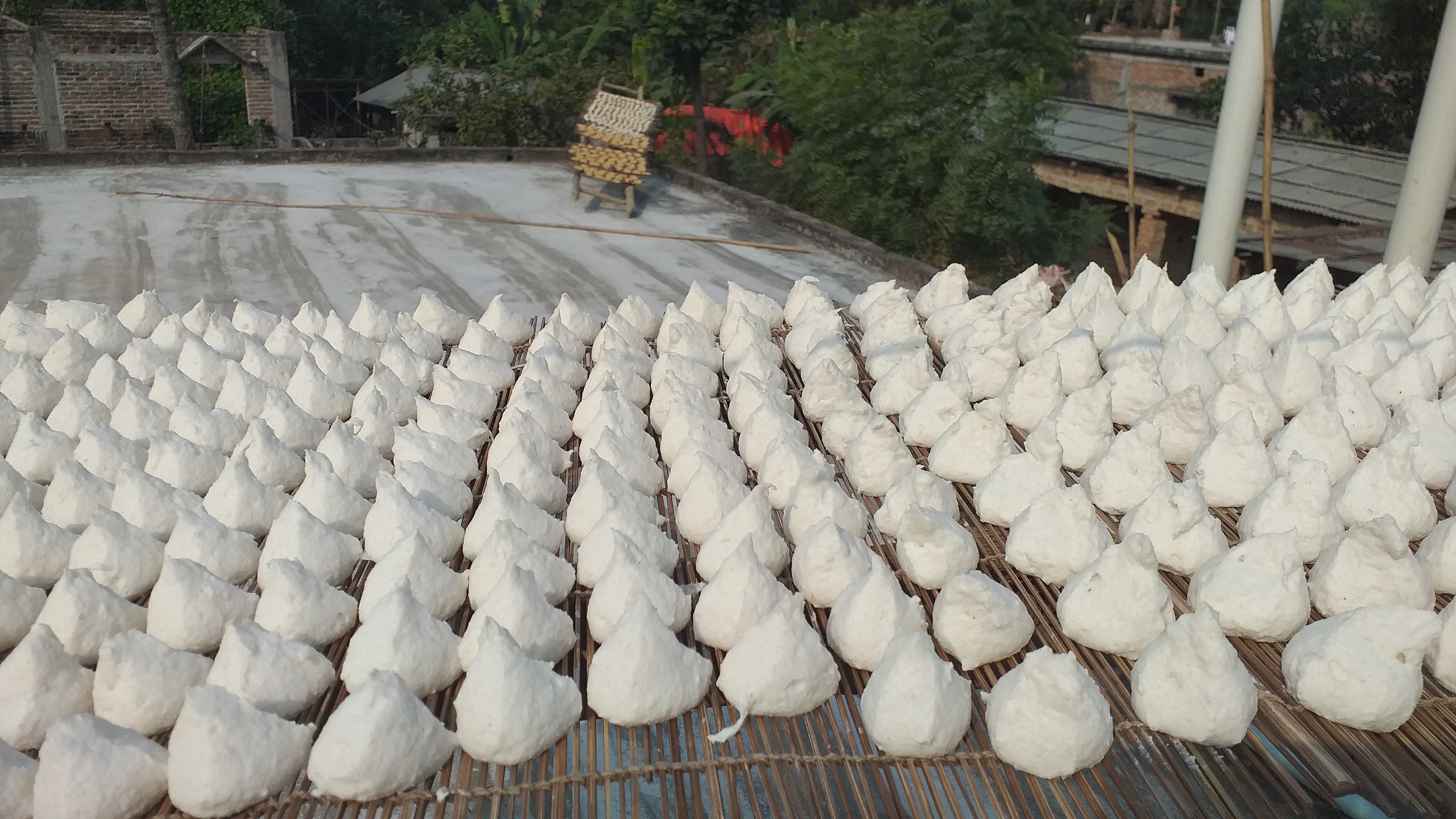
With the onset of Agrahayan, winter has begun to settle into the rhythm of rural life across Bangladesh, and in Meherpur, the arrival of the season signals the start of a cherished tradition — the making of Kumro Bori, (lentil dumpling) a pumpkin–lentil delicacy prepared in almost every household.
As winter approaches, rural homes across the district bustle with activity. While winter is the peak season for vegetable cultivation, the scarcity and price hike of vegetables in the later spring and summer months lead families to preserve seasonal produce. One popular method in Meherpur is preparing pumpkin and rice-based bori, dried in the winter sun and stored for year-round use.
From early morning until late at night, women in households stay engaged in the intricate process — soaking lentils, cleaning them, grinding them at dawn, and shaping the soft mixture into small pills to be sun-dried. Scenes of women working together at pond ghats, riverbanks, and courtyards create a festive rural atmosphere unique to winter.
Jahanara Begum of Bhomardah village in Gangni upazila said she prepares enough bori during the winter to last the entire year.
“When fish is cooked with bori, no extra spices are needed. On winter mornings, when bori curry is prepared, the whole family enjoys it with great satisfaction,” she said, adding that she uses bori in dishes with fish, chicken, brinjal, beans, and gourds.
Another housewife, Shirni Akhter, said that despite the labor involved, the taste makes the effort worthwhile.
“We work from noon until night preparing everything. At dawn, we grind the pulses and start making bori as soon as the sun rises. Once dried properly, they can be stored in jars and eaten throughout the year,” she explained.
Local traders are also benefiting from the renewed popularity of the delicacy. Rakibul Islam, a bori seller at Meherpur’s main market, said the reputation of Meherpur-made bori has spread beyond the district.
He sells around one maund daily and said that demand had fallen in previous years due to lower-quality mixed bori entering the market. “But since last year, the demand for authentic local bori has increased again,” he added.
According to Sanjeev Mridha, Deputy Director of the Meherpur Agricultural Extension Department, pumpkins and rice remain essential ingredients in making traditional bori.
He said pumpkins are now being cultivated commercially to meet rising local demand, and farming has expanded to homestead courtyards, fallow lands, and as companion crops.
“Pumpkin cultivation is profitable — farmers earn Taka 50,000 to 60,000 per bigha. The crop can be harvested in just 100 days,” he said.
With winter in full swing, Meherpur’s age-old practice of preparing Kumro Bori continues to strengthen community bonds and preserve a beloved culinary heritage for the seasons ahead.