News Flash
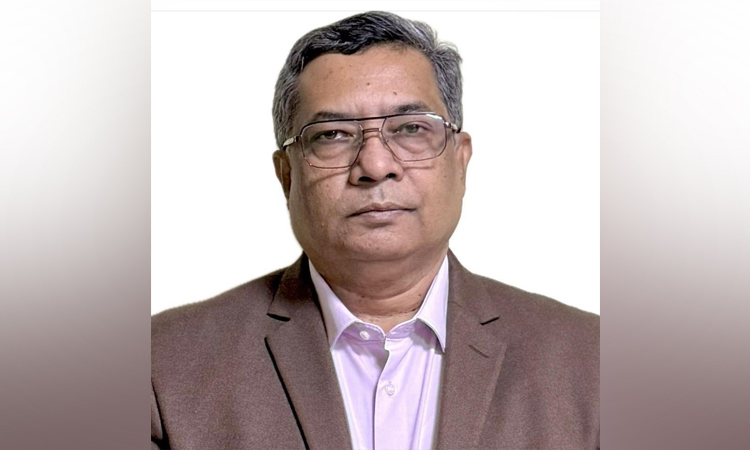
Golam Moin Uddin
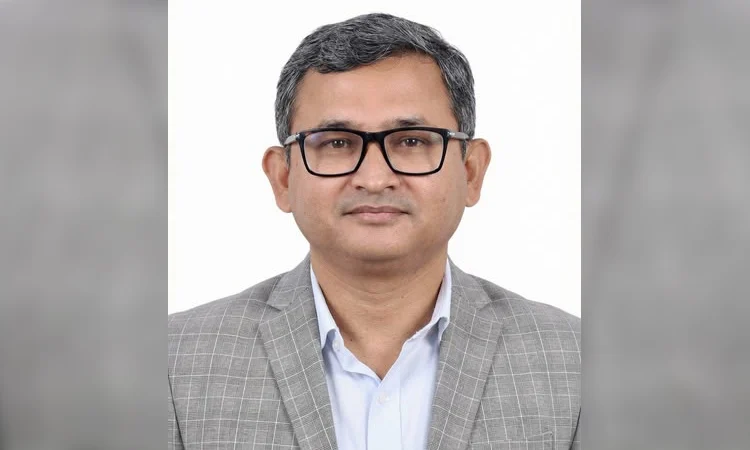
DHAKA, June 6, 2026 (BSS) - Dr Monzur Hossain, Member (Secretary) of the General Economics Division (GED) of the Planning Commission, has said the upcoming national budget for FY27 is firmly aligned with the government's election manifesto, placing strong emphasis on inflation control, investment stimulation and employment generation through structural reforms and social protection expansion.
Dr Monzur said that Bangladesh's upcoming national budget is being formulated prioritising inclusive development, revenue mobilisation, and revitalisation of the rural economy while maintaining macroeconomic stability.
"The priorities are aligned with the government's manifesto. The issues emphasized there are being given top priority in this budget," Dr Hossain said, adding that the government has translated its election commitments into actionable policy measures within a short time frame.
In an exclusive interview with BSS, he explained that the budget reflects the government's five key pillars outlined in its manifesto, including state reforms, equitable socio-economic development, balanced regional growth, and cultural and religious inclusivity.
He said flagship initiatives such as farmers' cards, women's empowerment programmes, and canal excavation and development schemes have already been incorporated into the budget framework. "These priorities have been initiated by the Honourable Prime Minister and are clearly reflected in the budget," he added.
He further noted that the government is also translating its electoral commitments into a structured policy framework for the next five years. "We are almost finalising the development strategy. The aim is to ensure implementation from the very first fiscal year," he said.
Addressing concerns about fiscal space, Dr Hossain acknowledged that increased public spending inevitably requires stronger revenue mobilisation. However, he emphasised that the government is actively working to expand the tax base and improve tax compliance.
"The government is taking multiple measures to increase revenue. We are trying to improve tax culture and expand the tax net. If these efforts succeed, fiscal pressure will be eased," he said.
He added that Bangladesh is currently in a transitional economic phase, requiring significant investment to recover from structural weaknesses. "If investment is made now and returns are generated, the long-term fiscal impact will not be negative," he observed.
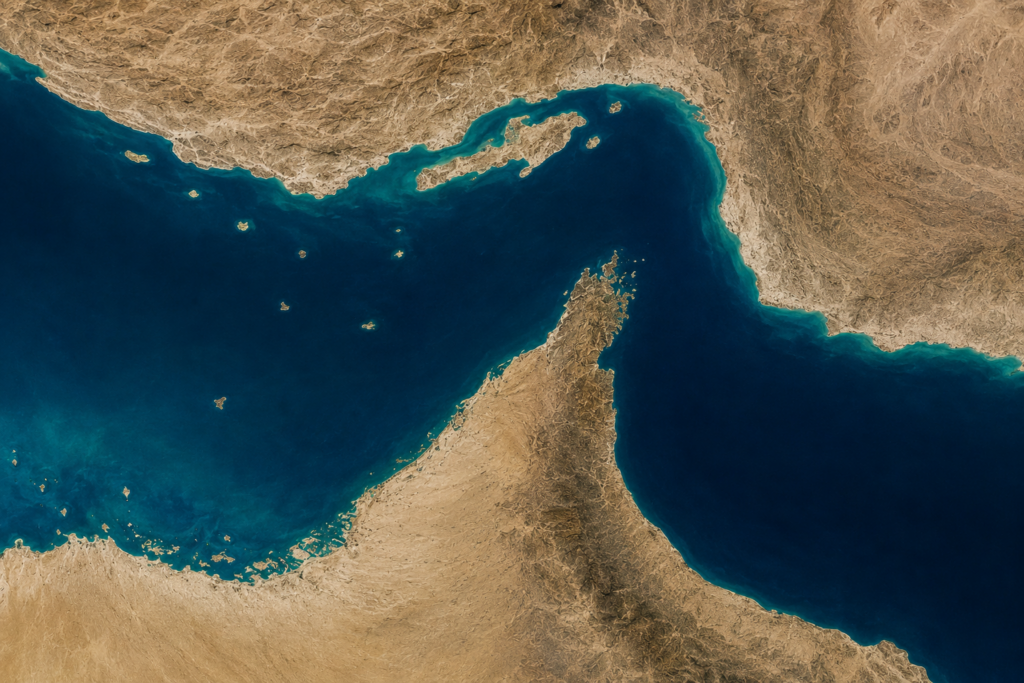
On inflation, Dr Hossain acknowledged that price pressures and rising living costs remain concerns. He noted that inflation is driven not only by monetary factors but also by energy supply-side shocks and global instability such as the Middle East conflict.
To address this, the government is focusing on both demand-side and supply-side interventions. He highlighted expansion of social safety net programmes, including farmers' and family cards, which now provide significantly higher financial support compared to previous years.
"Social safety nets are now a major instrument for inflation management. At the same time, efforts are being made to revive sick and closed industries to increase production and productivity," he said.
He also indicated that additional financing support may be provided through the central bank to stimulate productive sectors.