By Naziur Rahman Sohel
DHAKA, June 22, 2026 (BSS) – The National Curriculum and Textbook Board (NCTB) is preparing to end the long-standing practice of starting the academic year with only partial textbook distribution.
With a plan to ensure that nearly 40 million students will receive their new books immediately after annual examinations for the 2027 academic session.
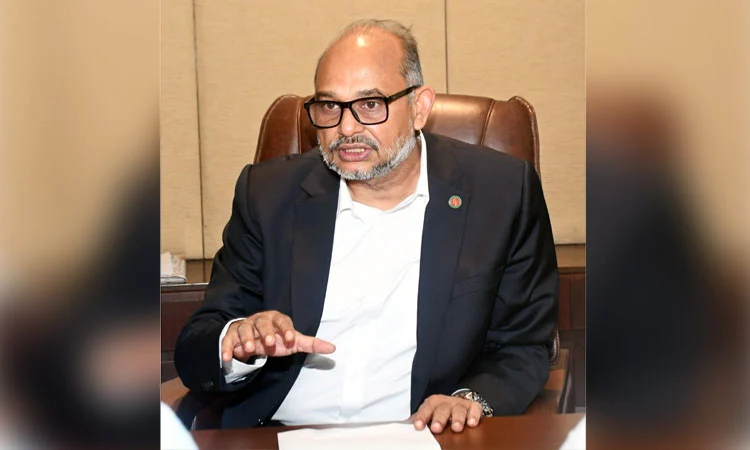
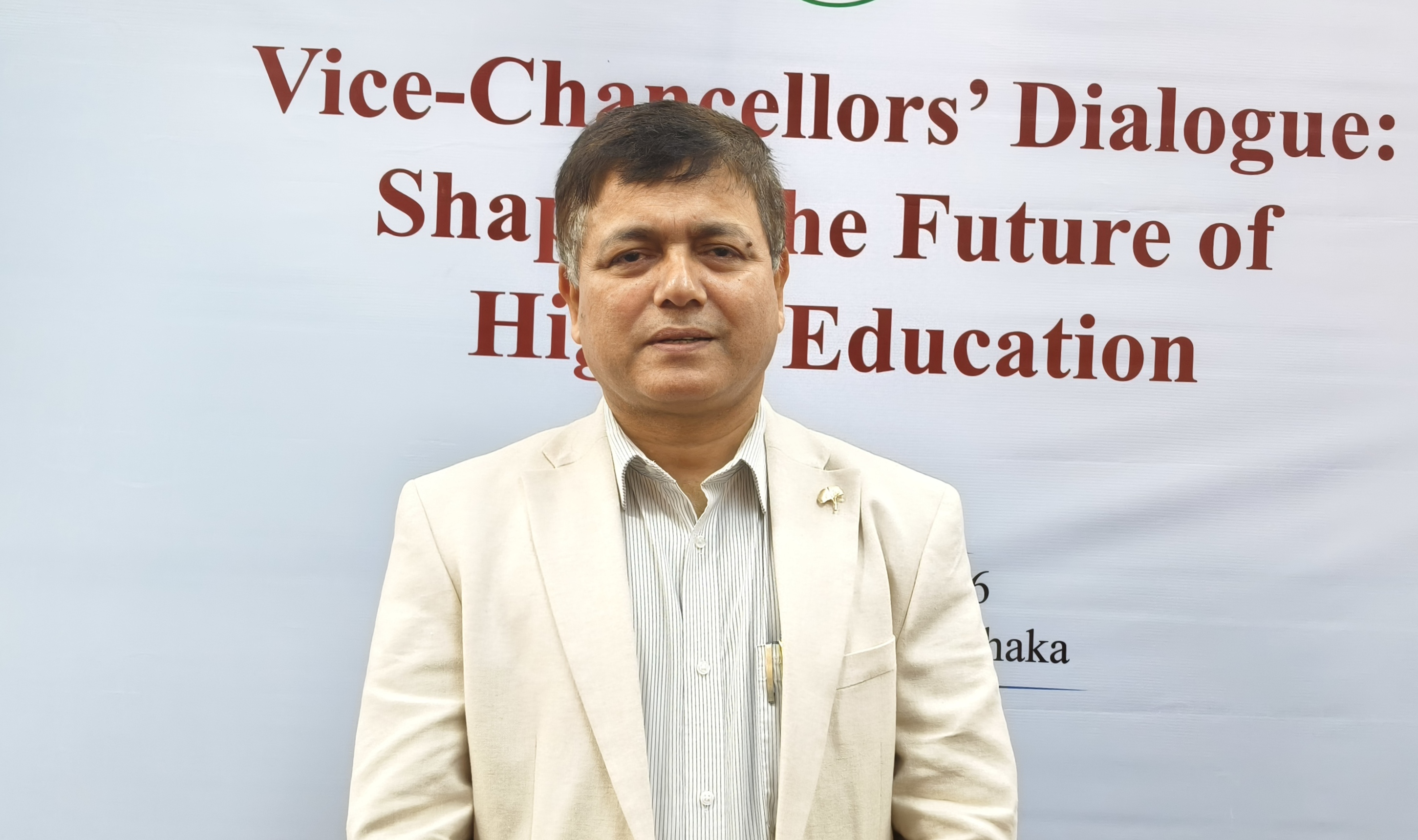
“The board is working on a roadmap to deliver 100 percent of revised textbooks for all grades to every upazila by November 30 this year so that students can collect their books before the beginning of the new academic year,” NCTB Chairman Professor Mohammed Fakhrul Mawla told BSS in an exclusive interview.
The newly appointed chairman said the board’s primary goal is to ensure that students receive their textbooks during the December vacation period, immediately after their annual examinations end.
“Since annual examinations usually conclude in the first or second week of December, our first target is to ensure that students can take their new books home between December 16 and December 31. If for any reason that target cannot be fully achieved, all textbooks will be distributed by January 1,” he said.
Professor Fakhrul Mawla said previous textbook distribution campaigns often focused on achieving an overall supply target of 50 to 60 percent, allowing large printing firms to complete their quotas by delivering books mainly to Dhaka and other major cities, while many remote upazilas experienced delays.
To address the disparity, he said, printers have been instructed to ensure that at least 50 percent of books for every grade are first delivered to all upazilas before supplying the remaining copies. However, the board’s final target is to complete 100 percent distribution at the upazila level by November 30.
“Advancing to a new class and receiving new books is the biggest festival for students. We want them to enjoy that experience without any delay,” he added.
The chairman said a total of 30 crore 71 laks textbooks will be printed for pre-primary, primary, Ebtedayee, secondary, Dakhil, vocational and technical education streams for the 2027 academic year. The tender process for printing is already underway.
On concerns about delays in printing and artificial increases in paper prices during the textbook production season, Professor Fakhrul Maula said the board has taken precautionary measures to prevent disruptions.
“In the past, there were attempts to create artificial shortages and raise paper prices when textbook printing began. This year we are taking advance measures. Under the Public Procurement Rules (PPR)-2025, work is progressing according to a specific timeline, while our monitoring teams will closely supervise paper quality, including GSM standards, as well as overall printing quality,” he said.
He added that the government’s highest levels, including the Prime Minister, are closely monitoring the process to ensure timely completion of the textbook programme.
The NCTB chairman also stressed the importance of presenting a balanced and fact-based account of Bangladesh’s history in school textbooks.
“Our greatest strength is that the current government and the Prime Minister want a truthful and objective history free from political pressure. In the past there was a tendency to exaggerate some contributions while downplaying others. We are moving away from that approach,” he said.
As examples, he referred to the presentation of the Language Movement and the inclusion of the Shaheed President Ziaur Rahman’s declaration of independence in revised textbooks.
According to him, special workshops involving educationists from the Institute of Education and Research (IER) of Dhaka University, curriculum specialists and leading historians were held to review and revise textbook content.
“Our responsibility is to ensure that students receive accurate historical knowledge without bias, and that is what we are trying to achieve,” he said.
Professor Fakhrul Maula said NCTB is also introducing several new textbooks aimed at making learning more enjoyable and encouraging students to engage in activities beyond conventional academic study.
From the 2027 academic year, three new books will be introduced for students in Classes Four and Six. One of the new Class four textbooks will focus on seven sports—football, cricket, chess, badminton, swimming, athletics and karate.
For Class Six students, NCTB is preparing a “Learning with Happiness” textbook focused on joyful learning and culture, as well as another motivational textbook designed to promote Technical and Vocational Education and Training (TVET).
He said discussions are underway with the Directorate of Secondary and Higher Education and other education authorities to ensure effective implementation of the new materials through proper guidance for teachers and institutions.
Responding to a recent initiative by Information and Broadcasting Minister Zahid Uddin Swapon to promote debate culture nationwide, the chairman said debate education could be incorporated into future textbooks if formal directives are issued by the government or the Ministry of Education.
“Debating sharpens reasoning abilities and teaches tolerance. If a policy decision is taken, there is sufficient scope to include debate-related content in future curricula,” he said.
Professor Fakhrul Mawla also said the board is working to change negative perceptions surrounding technical and vocational education and make such education more attractive to students.
“The government considers employability a major priority. Reducing unemployment by equipping young people with practical skills is one of its key objectives,” he said.
He noted that motivational content and success stories related to technical and vocational education will be introduced in Class VI textbooks from the next academic year, while a more comprehensive and internationally aligned approach to technical education will be incorporated under the full curriculum revision planned for 2028.