Wednesday
26 August, 2026
News Flash
News Flash
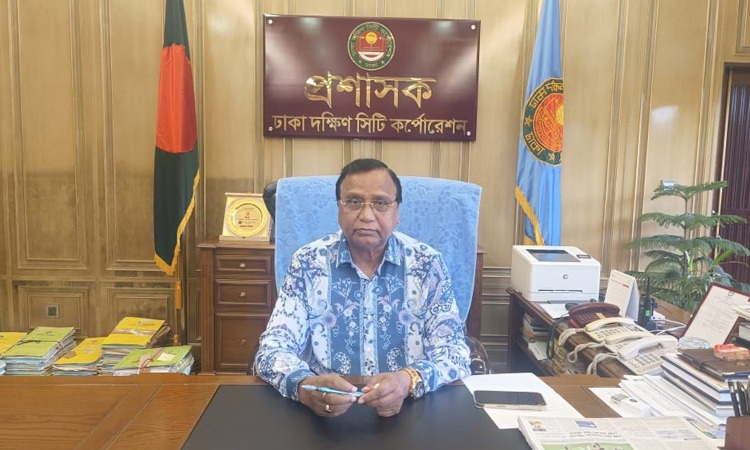
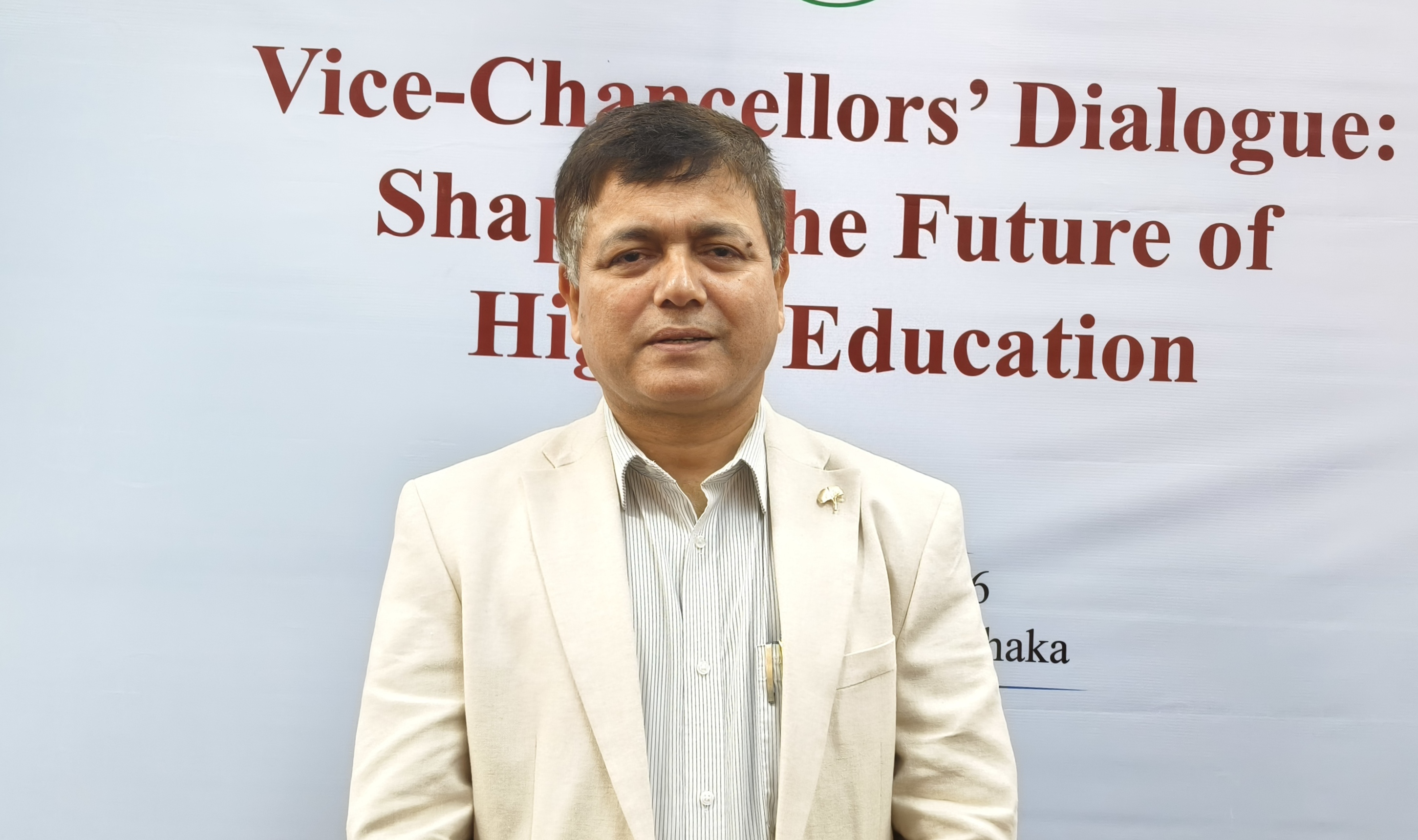
DHAKA, June 29, 2026 (BSS) - Dhaka South City Corporation (DSCC) Administrator Abdus Salam has unveiled a plan to launch a weekly cleanliness campaign in collaboration with the municipal body for the capital’s northern part to make the entire city free from dirt, clogged water and diseases like dengue.
“We will observe ‘whole Dhaka Cleaning Day' on first Saturday of every month,” he said in an exclusive interview with BSS.
Salam expected the campaign to yield visible changes within the next two years in collaboration with Dhaka North City Corporation (DNCC) engaging the residents of the capital.
He said the densely populated southern part of the capital, which covers the old part of Dhaka as well, would initially launch the campaign fixing the first Saturday of every month for the massive extra cleanliness campaign.
On that day, residents would be encouraged to clean their homes, rooftops, courtyards, household surroundings, neighborhoods with particular emphasis on preventing water logging.
He said it was unacceptable that Dhaka is regarded as one of world’s worst polluted cities and notorious traffic congestion and waste management crisis.
The DSCC administrator said initiatives were taken to transform the municipal body into a more effective, accountable and service-oriented institution to turn the capital into a safe and citizen-friendly city engaging the residents.
"I always say that 50 percent of the responsibility lies with the city corporation and the remaining 50 percent with the people. If both sides discharge their responsibilities fully, Dhaka can be transformed," he said.
He urged residents to stop indiscriminate dumping of waste and saying a door-to-door waste collection system was already in place, while designated waste disposal points were established for markets and commercial areas.
Salam said water logging remained as Dhaka’s long-standing problem as many canals in the city over the decades narrowed due to years of illegal occupation, filling and mismanagement.
“The width of many canals has shrunk from 40 to 50 feet to only 10 to 15 feet while many others have become virtually non-functional after being clogged with plastic and other wastes, obstructing natural drainage of rain waters,” he said.
He said, as a result, even light rainfalls disrupt city life.
Salam said his office by now identified waterlogging-prone areas while immediate measures were being taken in areas where quick solutions were possible.
He said long-term plans were adopted to develop a modern underground drainage network to channel rainwater directly into the Buriganga River as the capital currently lacked adequate drainage corridors and requires at least 20 to 30 new drainage routes.
“With government support, efforts are underway to establish at least two new drainage connections this year and once operational, these are expected to significantly reduce the duration of waterlogging from next year,” he said.
The DSCC administrator said special surveys were conducted in every DSCC wards before the beginning of the season and Aedes mosquito larvae were found in nearly 60 percent of the surveyed areas, “which is highly alarming”.
He said insecticide sprays by the city corporation alone proved inadequate to control dengue and so “citizens must ensure that water will not remain stagnant for more than two to three days around their households or workplaces”.
"Dengue prevention depends primarily on public awareness. Preventive measures before illness are far more effective than treatment after infection," he added.
The DSCC administrator also emphasised the need to strengthen the financial capacity of the city corporation.
He said the corporation could not rely solely on holding tax and other taxes for revenue generation and stressed the need to create new sources of income.
Salam also urged citizens to pay holding taxes regularly, renew trade licences and clear outstanding dues, saying these measures would help improve the quality of civic services for a better city management.
Referring to footpath occupation and street vendors, he said people continue to migrate to Dhaka from different districts, putting additional pressure on urban management.
But, he said, instead of evicting vendors by force, efforts would be made to achieve a permanent solution through planned management "We will work towards developing a humane, planned and orderly system for street vendors," he said, adding the government also holds a humanitarian position on the issue.
Salam sought cooperation and support from common people to realize the idea of modern Dhaka city.