News Flash
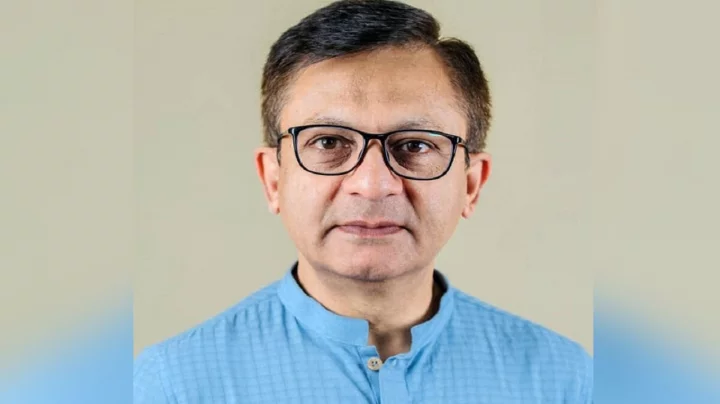
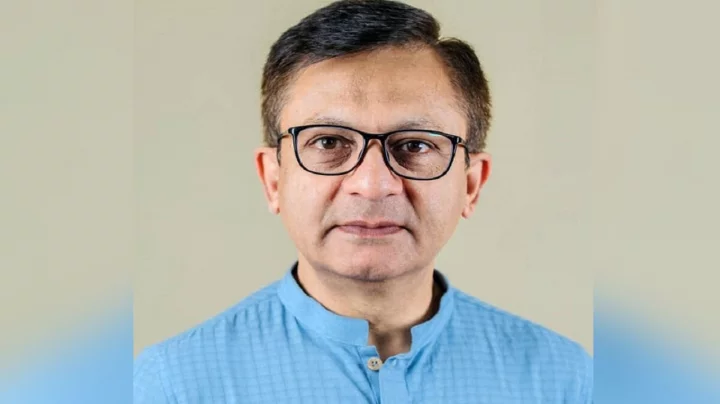
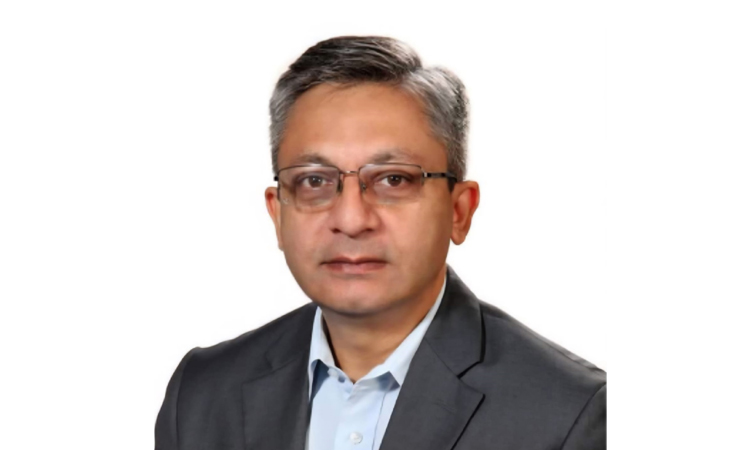
SANGSAD BHABAN, June 8, 2026 (BSS) - Commerce Minister Khandakar Abdul Muktadir today informed the Parliament that Bangladesh’s leather industry holds significant untapped export potential, estimating that the sector could grow to over $10 billion in exports, positioning it as a viable alternative export industry alongside existing major sectors.
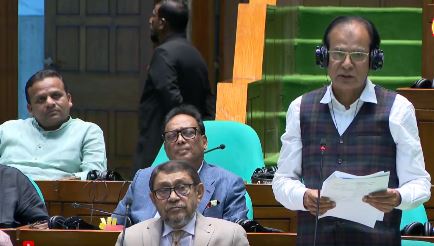
Responding to a supplementary question from ruling party lawmaker Alhaj Jashim Uddin Ahmed (Chattogram-14) in the Jatiya Sangsad, the Minister said that although leather exports have remained stagnant at around $1.10–$1.15 billion for the past three years, the sector’s structural challenges—particularly after the relocation of tanneries from Hazaribagh to Savar—have constrained its growth.
He noted that while the relocation aimed to modernize and improve environmental compliance, implementation gaps have reduced processing capacity in practice. “The capacity of leather processing has significantly decreased compared to earlier levels,” he said, adding that this has become evident during the Eid-ul-Azha season when both procurement and preservation of raw hides have declined sharply.
The Minister further stated that the government is undertaking several interventions to revitalize the sector.
These include improving slaughterhouse operations in coordination with the Ministry of Livestock to ensure mechanized skinning and proper collection of hides, upgrading the Central Effluent Treatment Plant (CETP) at Savar from its current operational capacity of 14,000–16,000 cubic metres to the designed capacity of 25,000 cubic metres per day, and supporting individual tanneries in establishing their own Effluent Treatment Plants (ETPs) with technical and financial assistance.
He also emphasized that all factories in the Savar industrial zone will be brought under compliance with environmental standards, along with enhanced technical and financial support from the government. “If these measures are properly implemented, the leather industry will emerge as a strong alternative export sector for Bangladesh,” he added.
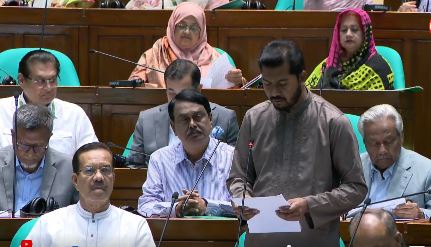
Responding to another supplementary question from NCP lawmaker Atikur Rahman Mujahid (Kurigram-2) regarding the expansion of trade facilities in the northern region, particularly through the Sonahat Land Port, the Minister said that expanding the port could naturally increase trade activity. However, he added that the government will assess its feasibility before taking further steps.
In response to another supplementary question from independent lawmaker Rumeen Farhana (Brahmanbaria-2) over alleged illicit financial flows, the Commerce Minister described the issue as a complex and research-intensive matter.
He noted that Bangladesh’s trade ecosystem involves a large number of goods and financial mechanisms, including pricing clauses, pre-shipment inspection systems, and varied import structures.
Citing macroeconomic figures, the Minister stated that Bangladesh’s economy is now approximately a $130 billion trade system, with imports and exports combined. He emphasized that identifying money laundering through specific products requires detailed investigation and analytical study.
“We are aware of the concerns and are conducting studies. If any irregularity is identified, the government will take appropriate action,” he assured Parliament.