News Flash
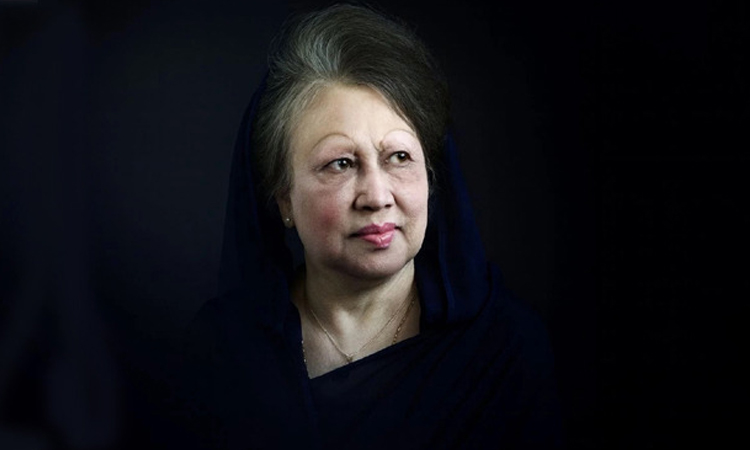
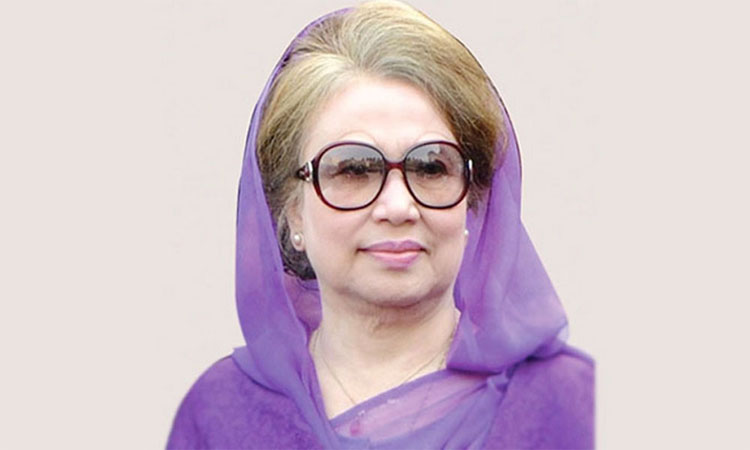
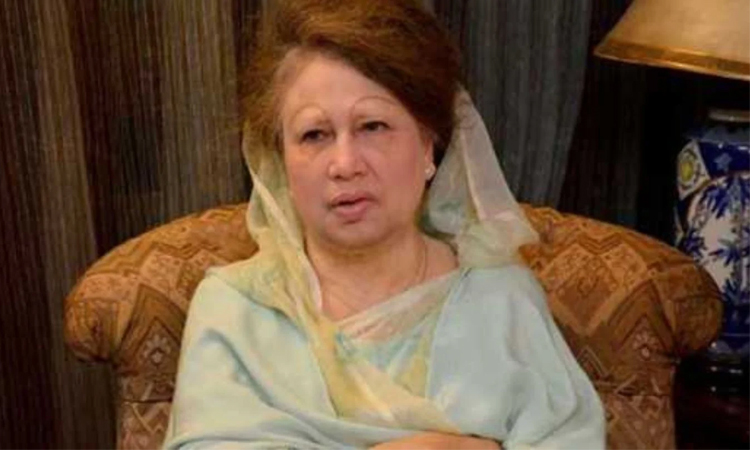
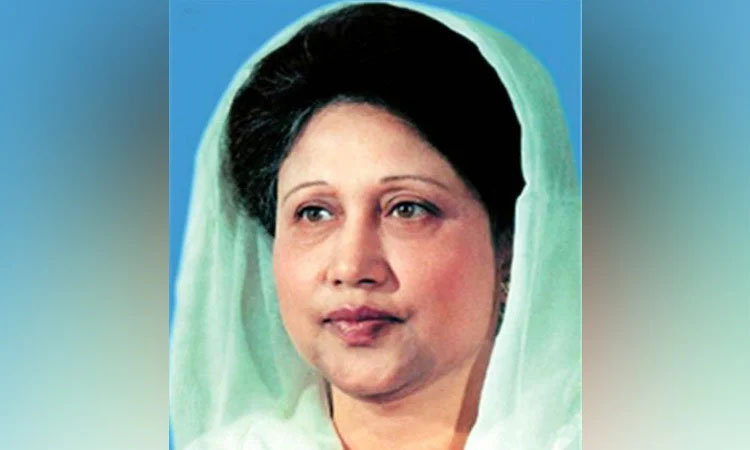
DHAKA, Dec 30, 2025 (BSS) - BNP Chairperson Begum Khaleda Zia, widely regarded as an uncompromising leader for democracy in Bangladesh, passed away this morning while undergoing treatment at Evercare Hospital in the city.
She was 80.
"Our beloved Deshnetri Begum Khaleda Zia passed away around 6am, just after Fajr prayers," BNP Secretary General Mirza Fakhrul Islam Alamgir told a press briefing in front of the hospital this morning.
The three-time former prime minister, Khaleda Zia, had been suffering from multiple health complications, including heart and lung, liver and kidney, diabetes, arthritis and eye-related ailments. She had a permanent pacemaker and previously underwent stenting in her heart.
She was admitted to Evercare Hospital on November 23 following the advice of her medical board after being diagnosed with infections in her heart and lungs. She had also been suffering from pneumonia.
Since returning from London on May 6, after receiving advanced medical care, Khaleda Zia had been undergoing regular check-up at the Evercare Hospital.
The first female prime minister of Bangladesh has left a strong political legacy that started through the journey of democracy in 1991.
She assumed the office through 1991 national election. She introduced the parliamentary form of government and caretaker government system to hold a free, fair and credible election.
Although Begum Khaleda was in prison since 2018, her party and family members repeatedly urged the then government to allow her to go abroad for better treatment, but the pleas were rejected by the fascist Awami League government.
She is survived her son Tarique Rahman and a host of relatives and admirers.
Tarique Rahman returned home on December 25 after 17 years in exile. Khaleda's younger son Arafat Rahman Koko died a few years ago in Malaysia.
Born in Dinajpur in 1945, Khaleda initially attended Dinajpur Missionary School and later completed her matriculation from Dinajpur Girls' School in 1960.
Khaleda's father Iskandar Mazumder was a businessman and mother Tayeba Mazumder was a housewife. Nicknamed "Putul", Khaleda was the second among three sisters and two brothers.
In 1960, she got married to Ziaur Rahman, the then a captain in Pakistan army and continued her education at Surendranath College of Dinajpur until 1965.
When the Liberation War started in 1971, Ziaur Rahman revolted and participated in the war.
After the assassination of Ziaur Rahman on May 30, 1981, BNP faced a serious crisis. At this critical juncture, Khaleda Zia, who was never in politics, joined the party and became its vice-president on January 12, 1984. She was elected BNP's chairperson on May 10, 1984. She was reelected chairperson of the party in January 2010.
Under the leadership of Khaleda Zia, BNP formed a 7-party alliance in 1983 and launched a movement against the autocratic regime of Ershad.
The Ershad government restricted her movement and she was detained several times. Undaunted, Khaleda Zia continued to provide leadership in the movement for ousting Ershad. Then, she became known as the "uncompromising leader".
In the parliamentary election in 1991, BNP emerged victorious as a single majority party. Khaleda Zia contested five constituencies in three consecutive parliamentary elections and won in all the seats.
On March 20, 1991, Khaleda Zia was sworn in as the first female prime minister of Bangladesh. She took oath as the prime minister under the new parliamentary system on September 19, 1991.