Thursday
20 August, 2026
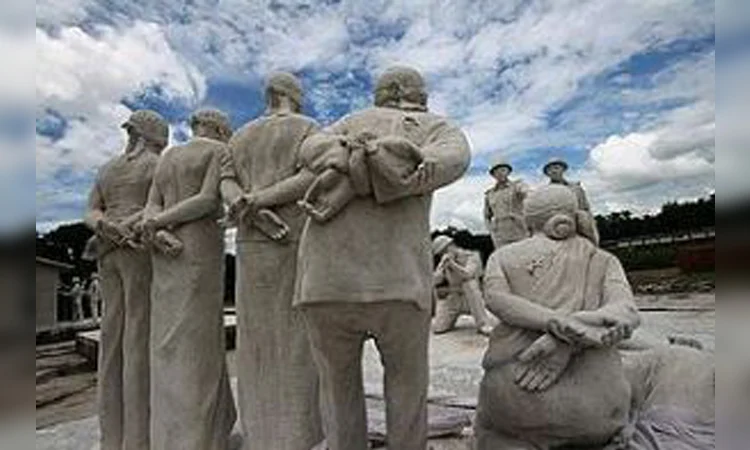
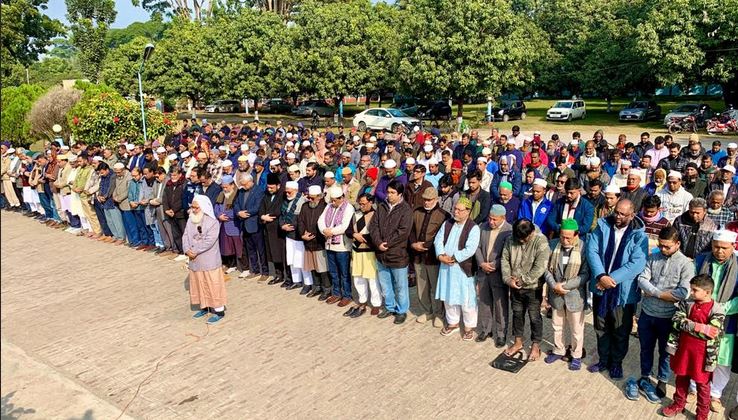
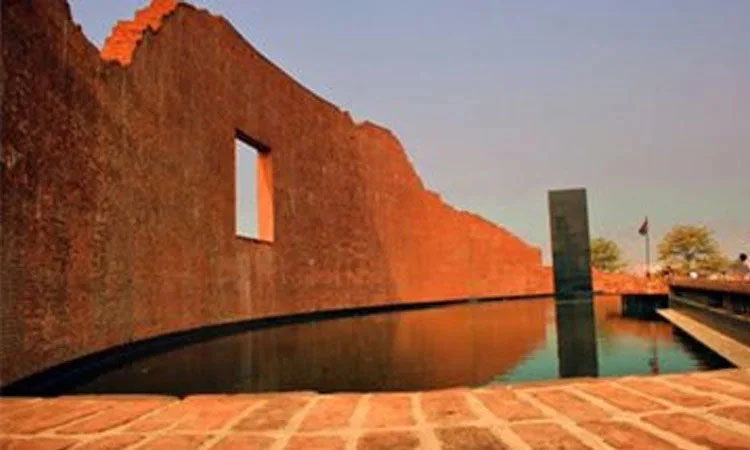
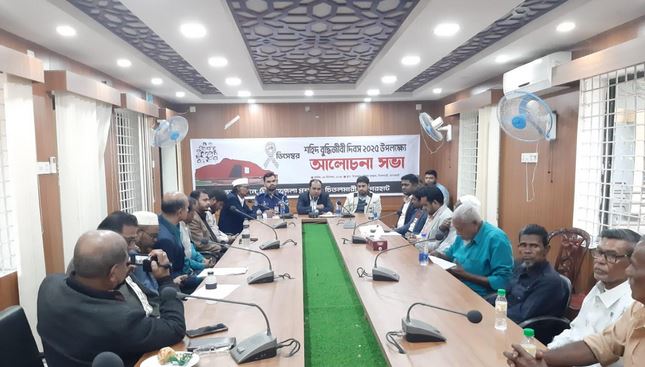
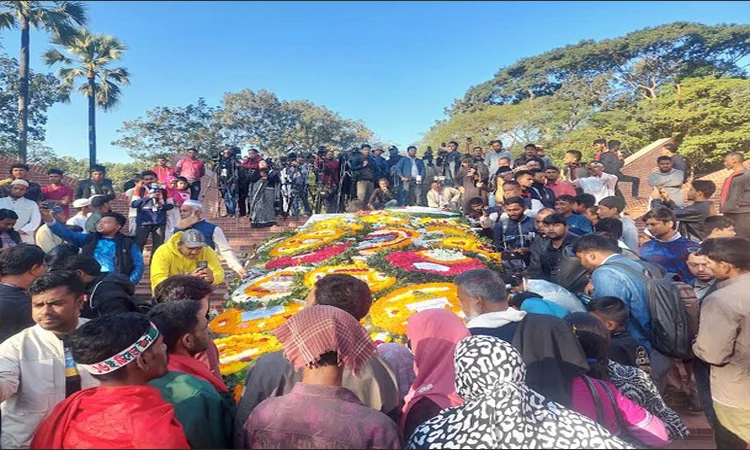
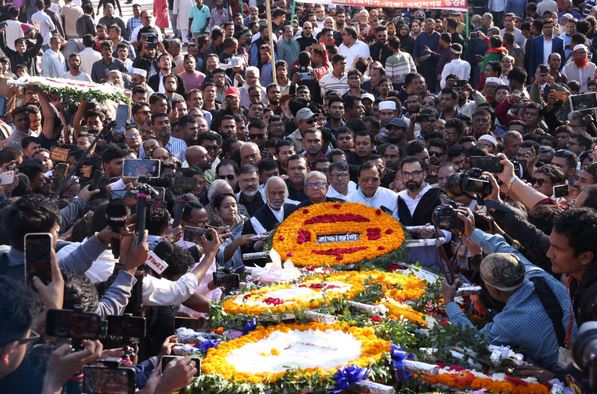
DHAKA, Dec 13, 2025 (BSS) - The Martyred Intellectuals Day will be observed tomorrow with due dignity.
The nation recalls on this day the mass killing of a large number of Bengali top brains by the then Pakistan army and their collaborators visibly sensing their defeat just two days ahead of the emergence of Dhaka as the free capital of free Bangladesh.
The occupation troops and their Bengali speaking collaborators like Al-Badr, Al-Shams and Razakars carried out a systemic killing throughout the nine months of 1971 Liberation War but the December 14 appeared to be a systematic massacre to expose the new born country to a state of brainlessness.
The main goal of this atrocity was to make the newly independent Bangladesh devoid of intellect and direction through the brutal killing of teachers, writers, journalists, researchers, doctors and cultural activists. The nation remembers the martyred intellectuals on this day every year with deep sorrow, pain and respect.
The killing of martyred intellectuals was a horrific chapter in the final phase of the Liberation War. This massacre was carried out to break the foundation of the nation's thinking, conscience and leadership just before the dawn of independence.
Eminent educationists and thinkers, speaking to BSS about this tragic incident of December 14, 1971, said that the need for intellectuals for society and the state never ends.
Development Studies Professor Mahbub Ullah at Dhaka University said that when December 14 comes, a deeply painful memory comes back to the nation.
The planned killing of intellectuals just two days before of independence was a ploy to destroy Bangladesh's future prospects, he said.
He said the Pakistani ruling class considered the country's conscious and progressive intellectuals as enemies. That is why, at the beginning of the Liberation War, on the night of March 25, intellectuals were targeted and killed at various places, including Dhaka University. However, December 14 was the final and most horrific form of that sequence, he added.
He said the nation has lost numerous wise and virtuous personalities including philosopher Govinda Chandra Dey and Professor Munir Chowdhury. Intellectuals are the ones who provide the food for thought and consciousness to move the society forward on the path of liberation, progress and advancement.
Professor Mahbub said they were the ones who truly keep the unquenchable flame of the spirit of independence burning. In their absence, a state becomes paralyzed in thought and mind. This murder was committed to push Bangladesh into that paralysis.
He said that before December 16, the decomposed and mutilated remains of martyred intellectuals were recovered from various slaughterhouses including Rayerbazar and Mirpur. Many could not be identified, and many more are still missing. It is difficult to find words to express hatred against this planned and brutal killing.
He expressed optimism that the intellectuals of the current and future generations can pursue knowledge in a safe environment and show the nation the path of light.
Eminent educationist Professor Abul Kashem Fazlul Haque said that the term 'intellectual' became particularly popular in the political and social arena in this country in the 1960s. At that time, a section of the educated society did not participate in direct political movements but expressed opinions from afar, which was also criticized.
However, the December 14 massacre - beyond all those controversies - was a terrible attempt to eliminate the nation's intellectuals, he said.
He said, "Real intellectuals do not trample on the feet of power; rather, they have the courage to stand up to power and speak the truth. That is why they become a threat to the ruling class. An attempt was made to demoralize the nation by capturing and killing them in the slaughterhouses of Rayer Bazar and Jigatola."
He said Martyred Intellectuals Day is therefore not just a day of remembrance, but also a day of protest and self-criticism against atrocities.
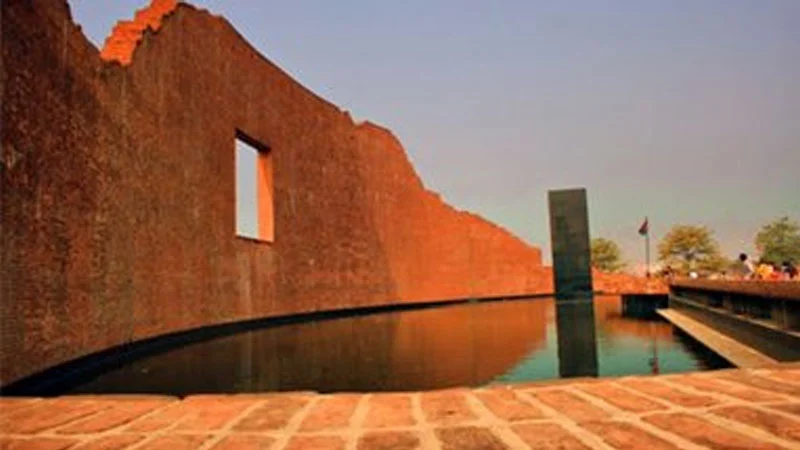
Dhaka University's Mass Communication and Journalism Professor Dr. Giti Ara Nasreen said, "Martyred intellectuals are not just memories of the past; they are part of our daily thoughts and reflections. The monuments and memorials spread across the Dhaka University campus keep the presence of the martyrs alive. The question is, are we able to carry their ideals and legacy properly?"
She said political change does not just mean a change in power. "Power relations in a society, the struggle for rights and the scope of expression are all part of politics. The meaning of the word 'intellectual' has also changed over time. The abundance of talk shows and column-based discussions has increased, but in many cases its depth has decreased. However, the job of a real intellectual is to confront society with new questions and give direction."
Referring to the 2024 July Uprising, she said, "The memory of 1971 is so deeply rooted in our collective consciousness that it comes back in times of crisis. During the movement, the memory of the martyrs gained new importance in the conversations of students and ordinary people. The uprising was an expression of the people of Bangladesh's desire for freedom and justice, in which the role of intellectuals was inseparable."