Wednesday
19 August, 2026
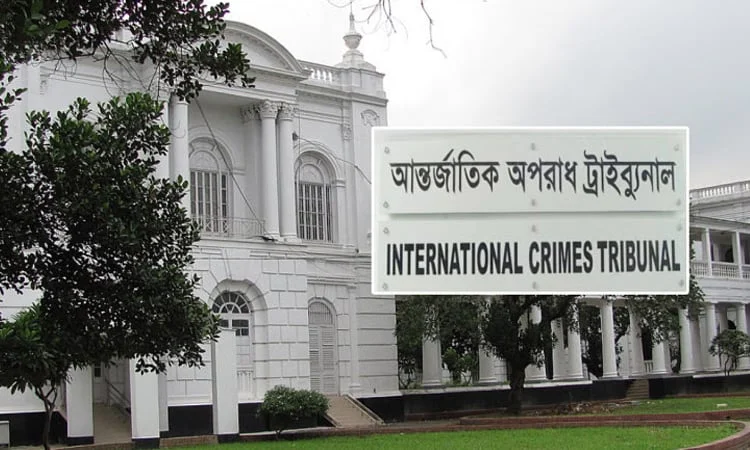
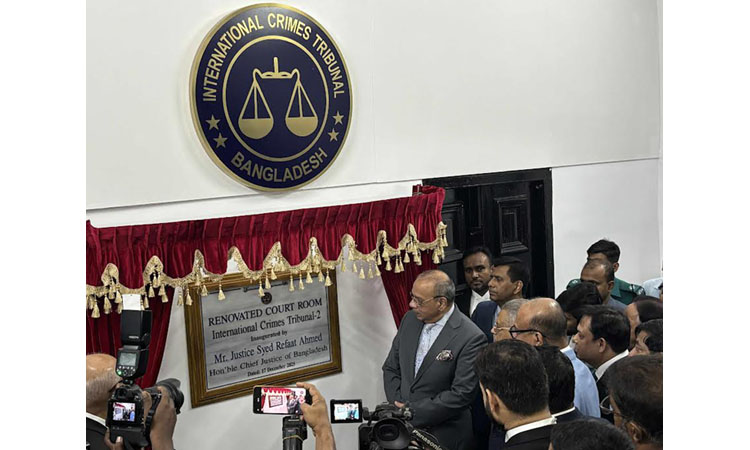
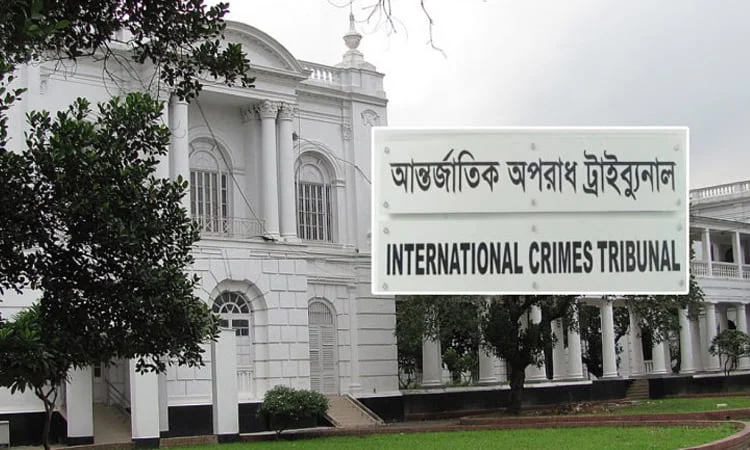
DHAKA, Dec 17, 2025 (BSS) -The International Crimes Tribunal (ICT)-1 today took into cognizance the formal charge in a case against former director general (DG) of the National Telecommunication Monitoring Centre (NTMC) Ziaul Ahsan over his alleged role in enforced disappearances and more than 100 killings.
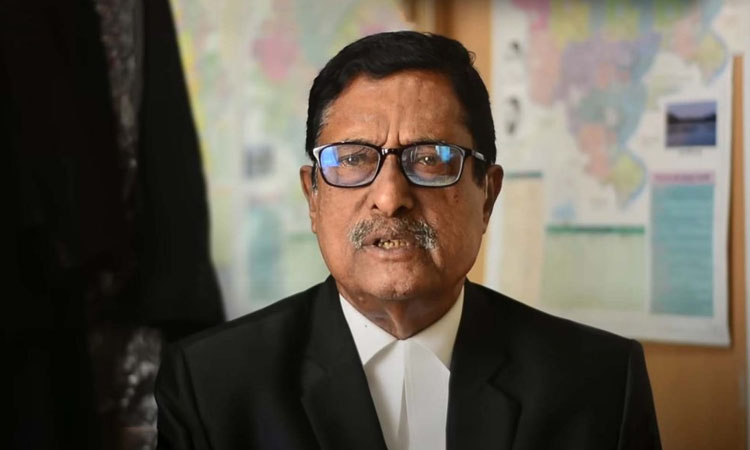
Chief Prosecutor Muhammad Tajul Islam referred the formal charge before the tribunal and pleaded to take the three charges against the accused into cognizance.
After hearing the matter, the three-member tribunal headed by Justice Md Golam Mortuza Mazumder took the charges into cognizance. The tribunal also ordered to produce the accused before it on December 21.
The prosecution earlier in the morning filed the formal charge against Ziaul Ahsan. Prosecutor Shyikh Mahdi submitted the formal charge at the office of the ICT Registrar.
Ziaul Ahsan is currently in custody and facing trial in multiple cases involving allegations of abduction, torture, enforced disappearance, killings and other crimes against humanity.
Earlier, the prosecution compared him with Serbian war criminals Radovan Karadzic and Ratko Mladic.
Chief Prosecutor Muhammad Tajul Islam said that, like those known as the "Butchers of the Balkans," Ziaul Ahsan was the "butcher of Bangla."
"He was the architect of a culture of enforced disappearance, torturing people at various torture centres, killing them and disposing of their bodies. Whoever tried to raise their voice against the Awami League government was abducted by Ziaul Ahsan-first as a senior official of the Rapid Action Battalion (RAB) and later as DG of the NTMC-made a victim of enforced disappearance, tortured and pushed to near-death experiences. Many of his victims are yet to return home," the chief prosecutor said.
He further said that during his tenure as NTMC DG Ziaul Ahsan imported several globally banned technologies and equipment to keep people of opposing ideologies and opinions under surveillance.
He also alleged that during the July-August student-led mass uprising, the information blackout imposed by the then government was enforced on Ziaul Ahsan's orders, preventing people at home and abroad from learning about the atrocities allegedly committed by the government and its agencies.