Wednesday
19 August, 2026
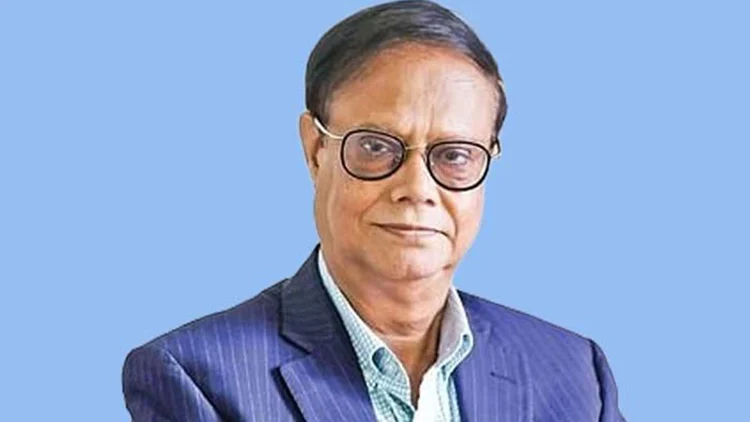
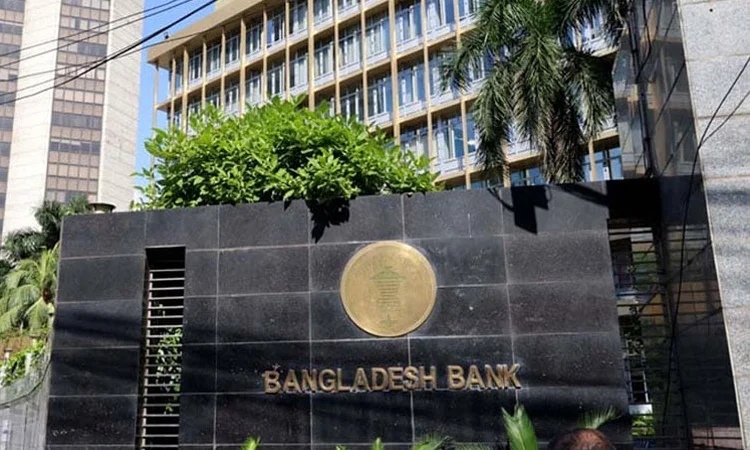
DHAKA, Dec 18, 2025 (BSS) - Bangladesh Bank Governor Dr Ahsan H Mansur today said the country has successfully navigated a difficult economic phase and is now moving steadily towards stability, backed by strong macroeconomic fundamentals and wide-ranging reforms in the banking sector.
Speaking at a seminar on “Banking Sector Reforms: Challenges and the Way Forward,” as the chief guest at the Economic Reporters Forum (ERF), the Governor said preserving public confidence in banks, restoring macroeconomic stability and addressing structural weaknesses remain the key priorities of the central bank.
He noted that while confidence in the banking sector has not been fully restored, it has been largely maintained despite prolonged stress. “Preserving confidence itself is a major achievement during a challenging period,” he said, adding that the depositors have continued to show patience and cooperation.
Highlighting macroeconomic performance, the Governor said Bangladesh’s balance of payments position is now very strong. He said the financial account is in a substantial surplus, and the overall external balance remains firmly positive. Foreign exchange reserves have already risen in the current year.
“There is absolutely no risk of economic collapse, even with the upcoming election,” he said, stressing that external sector stability has been restored faster than initially expected. What was projected to take two to three years has largely been achieved within the first year, he added.
On exchange rate management, the Governor said there is no immediate concern. Bangladesh Bank has purchased more than US$2.5 billion from the foreign exchange market through transparent, market-based mechanisms and will continue to intervene only when necessary to ensure stability.
“Our policy is very clear: reserves must be built from our own economy, not through borrowing from external sources,” he said, adding that Bangladesh Bank will continue to act as a responsible participant in the foreign exchange market, as central banks do worldwide.
The Governor said the central bank aims to raise foreign exchange reserves to around US$34–$35 billion by the end of the year. This target, he added, will be pursued regardless of IMF disbursements. “IMF money is not essential for balance of payments stability. The real value of the IMF lies in technical support, not financing,” he observed.
Turning to banking sector reforms, the Governor identified three persistent challenges: weak governance in some institutions, capital shortfalls in several banks, and a high level of non-performing loans (NPLs). He said the true NPL ratio stands at around 36 percent, and Bangladesh Bank has opted for full transparency in data disclosure.
“We will not hide data. Transparency is the first step towards recovery,” he said, acknowledging concerns about credit ratings but stressing that concealment would only delay reforms.
As part of governance measures, the boards of 14 banks have been dissolved, and clear warnings have been issued that governance failures will lead to intervention. Resolution, he said, is an integral part of the governance process.
In some cases, he however, said Bangladesh Bank has refrained from intervention where banks demonstrated strong deposit mobilisation despite high loan losses. Restrictions on such banks are being gradually eased based on performance monitoring.
The central bank Governor said five weak banks are being merged after completing all legal and regulatory procedures. Under the expanded deposit insurance scheme, depositors will have immediate access to insured funds, while a new alternative account mechanism will allow partial but prompt access to deposits.
Dr Mansur said the merged entity will emerge as one of the strongest banks in the country, with high paid-up capital, adequate liquidity and a wide branch network. “The government fully guarantees depositor protection. Confidence must not be lost, as that would harm everyone,” he said.
For non-bank financial institutions, the Governor said resolution will primarily take the form of liquidation rather than mergers, with depositor interests receiving the highest priority. Sponsor shareholders responsible for mismanagement, he added, will not be protected.
He also said dividend and bonus payments have been restricted for banks that are not profitable or have capital shortfalls. Accountability will extend to boards and management, while large loans above Taka 200 million will undergo third-party collateral verification and forensic scrutiny.
From January, risk-based supervision will be fully implemented across all banks, alongside the development of in-house forensic audit capacity at Bangladesh Bank to ensure early detection of financial misconduct.
Looking ahead, the Governor said comprehensive reform of the financial sector will take time—but must continue without interruption.
He said key legal reforms include strengthening the bank resolution framework, deposit insurance, loan recovery laws, insolvency legislation and establishing an asset management company.
He also emphasised the need to strengthen the independence of Bangladesh Bank, saying legal protection from political pressure is essential for effective central banking.
Finally, the Governor highlighted initiatives on financial inclusion and bond market development, noting that reducing excessive corporate reliance on banks through bonds and capital market instruments is vital for long-term financial sector maturity.
“Challenges remain, but the direction is clear,” he said, expressing confidence that sustained reforms and accountability will ensure a resilient and stable banking system for Bangladesh.