News Flash
RAJSHAHI, Feb 26, 2026 (BSS) - Climate change adaptation in the Barind area has become an urgent need as the adverse impact of climate change has been posing a serious threat to the living and livelihood conditions of the people, particularly the marginalized ones.
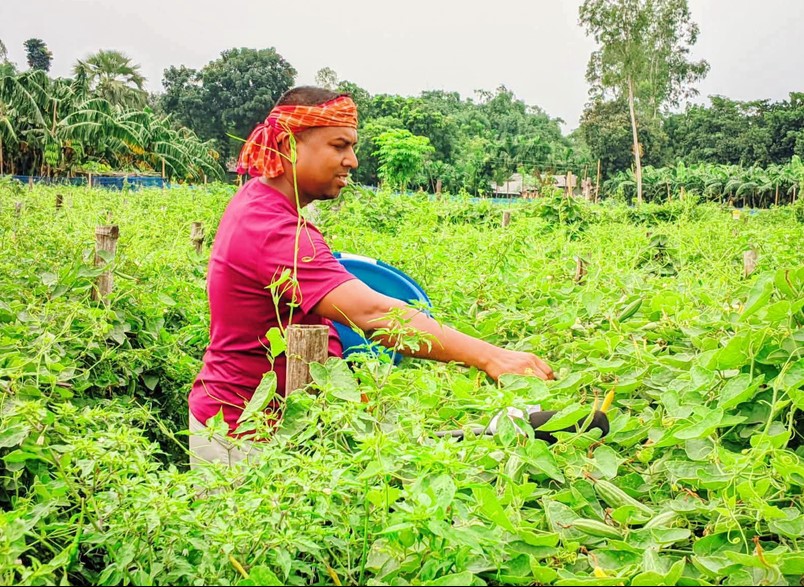
Barind region has long suffered from recurrent droughts and acute water scarcity. The area has a significant Indigenous population, with most families dependent on agriculture for their livelihoods.
Experts and professional leaders made the remarks while addressing an advocacy meeting here today emphasizing the need for a holistic approach to protect the region from adverse impact.
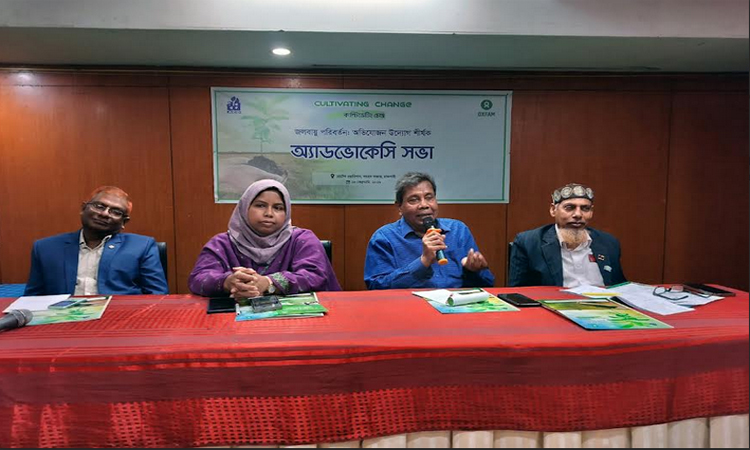
Association for Community Development (ACD) organized the meeting titled “Climate Change: Adaptation Initiatives” at Hotel Warisan in the city. The event was held under the “Cultivating Change” project with support from Oxfam in Bangladesh.
The meeting highlighted the realities, inequalities, and capacity development needs of indigenous women agricultural workers in the drought-prone and water-scarce Barind region.
With former chairman of Rajshahi Education Board Prof Dipakendra Nath Das in the chair, Project Coordinator Subrata Kumar Paul presented an overview of the project.
A total of 30 participants, including government officials, NGO representatives, indigenous women farmers from Tanore and Godagari, representatives from super shops, and members of the media attended the event.
Professor Jalal Uddin Sardar from the Department of Veterinary and Animal Sciences at Rajshahi University, Deputy Director of the Department of Environment Tasmima Khatun and Deputy Director of the Department of Youth Development Shariful Islam also spoke, disseminating their expertise on the issue.
The meeting was told that approximately 12,000 indigenous women agricultural workers are actively engaged in farming activities in Tanore and Godagari upazilas.
Despite playing a crucial role in paddy and vegetable cultivation, seedling transplantation, weeding, and harvesting, these women face wage discrimination and lack social recognition.
The issue of unequal pay compared to male workers for similar work was strongly emphasized during the discussion.
Participants highlighted that although expanding drought-tolerant crop cultivation is essential, indigenous women are constrained by limited access to training, modern technologies, and irrigation facilities. Strengthening their capacity through specialized training and policy support is critical to enhancing resilience against climate change impacts.
The meeting called for dedicated training programmes for Indigenous women agricultural workers, the assurance of fair wages, and the provision of incentives and technical support to promote the cultivation of drought-tolerant crops.
Indigenous woman farmer Olivia Biswas shared her experience, saying, “Earlier, we cultivated only one type of crop. Now we have diversified. Even during droughts, some crops survive, and our livelihoods continue.”
Speakers emphasized sustainable agricultural practices, water conservation, and the application of local knowledge as effective strategies to combat climate change.