News Flash
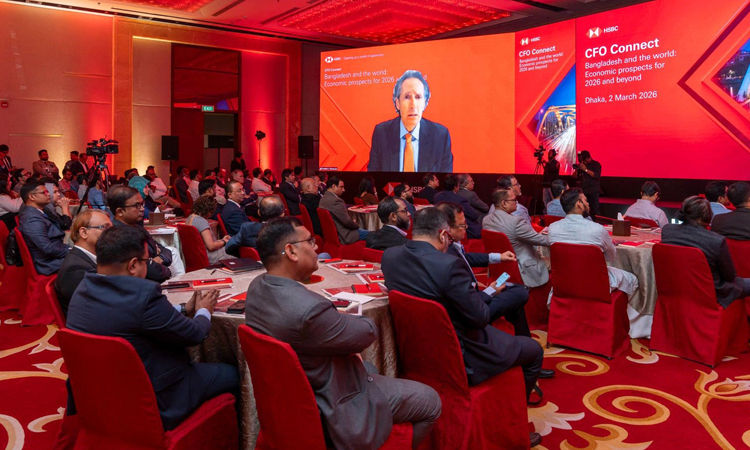
DHAKA, Mar 2, 2026 (BSS) - The Hongkong and Shanghai Banking Corporation (HSBC) Limited in Bangladesh organised an event today titled “Bangladesh and the World: Economic Prospects for 2026 and beyond” highlighting the latest global and Asian market developments and sharing a perspective on Bangladesh.
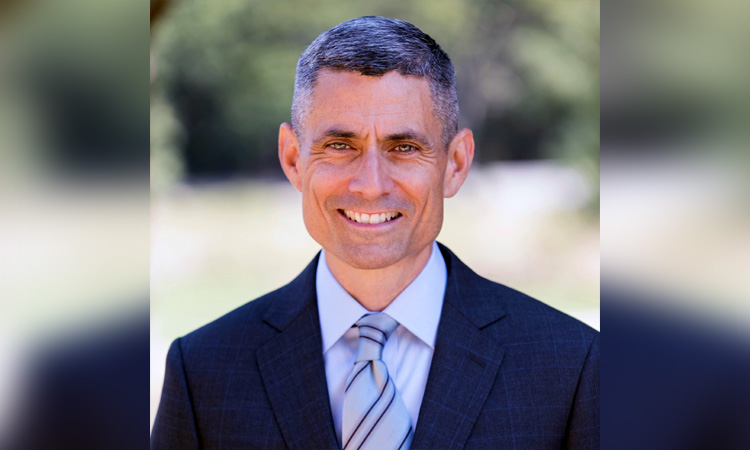
The event featured a keynote presentation by Frederic Neumann, Chief Asia Economist and Co-Head, Global Research Asia, HSBC Global Research, where he shared insights on the latest macroeconomic outlook.
Jignesh Ruparel, Chief Financial Officer, HSBC Bangladesh also presented a brief overview of HSBC Group’s latest global results and shared HSBC’s capabilities across the globe.
Kausar Alam, President of the Institute of Cost and Management Accountants of Bangladesh (ICMAB) and Md Mahbub ur Rahman, Chief Executive Officer of HSBC Bangladesh also spoke on the occasion.
The event was attended by Chief Financial Officers, stakeholders and senior officials of local and multinational companies.
During his keynote outlook presentation over Zoom, Frederic Neumann highlighted that Bangladesh has emerged with resilience from its challenges over the past few years.
“HSBC expects Bangladesh’s GDP growth of 5.0% for 2026, and 5.5% for year thereafter. For the calendar year 2026, HSBC forecasts export value growth to be 4.1% for Bangladesh,” he added.
He said that remittance inflows continue to rise on a year-on-year basis, amidst growing trust in official money transfer channels.
“This, together with easing inflation, will support private consumption. With the conclusion of the recent general election, investment by domestic and foreign businesses may begin to pick up modestly, but any acceleration is highly conditional on the new government restoring investor confidence by demonstrating the capacity to reinforce law and order,” he added.
Frederic added Bangladesh is set to graduate from least developed country status in November 2026.
“This underscores the need to boost export competitiveness by expanding market access and improving governance and infrastructure, among many other things. A slowdown in global consumer demand due to US tariffs remains the greatest economic risk,” he added.
He said that it is increasingly urgent for Bangladesh to accelerate trade negotiations with the European Union, its largest garment export market.
With the formation of the new government following a largely peaceful election, the government now holds a clear political mandate and legitimacy to pursue reforms and provide the stability the population has been seeking, he added.
Facing an extensive agenda, he mentioned that the new administration must demonstrate commitment to its promises and address the aspirations of Bangladesh’s young generation.