News Flash
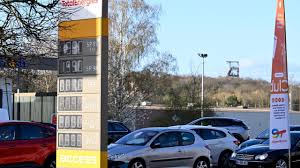
BRUSSELS, Belgium, March 31, 2026 (BSS/AFP) - The EU urged member states Tuesday to try to push down domestic demand for fuel and prepare to secure oil supplies, warning of potentially prolonged effects of the Middle East war on energy prices.
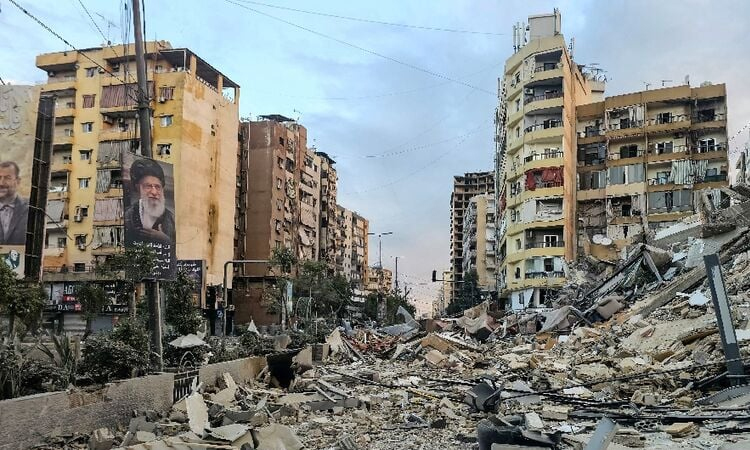
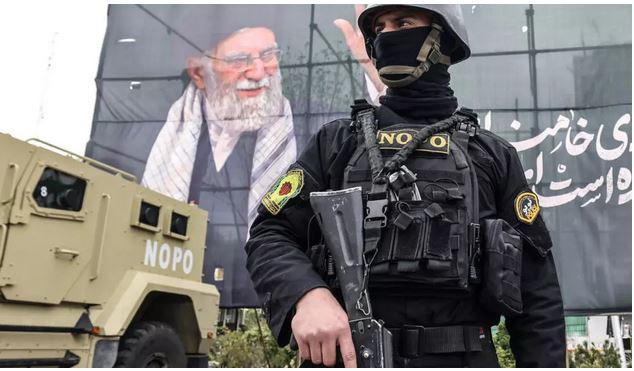
US-Israeli attacks on Iran and Tehran's retaliatory strikes have roiled markets and triggered a surge in energy prices.
"It is clear that the more you can do to save oil, especially diesel, especially jet fuel, the better we are off," EU energy commissioner Dan Jorgensen told a press conference in Brussels.
"We are in a situation that might worsen where indeed, demand reduction is necessary," he added, after video talks with energy ministers from the 27-nation bloc.
The European Commission has repeatedly said supplies are not an issue at this stage for the 27-nation bloc, but high prices are a matter of concern.
To ease the impact of the war, EU countries have contributed to the release of about 400 million barrels of strategic reserves under the coordination of the International Energy Agency (IEA) -- the biggest such release ever.
But Jorgensen said governments needed to prepare for a "potentially prolonged disruption of international energy trade".
"We need to act already now, and we need to act together," he said in a statement ahead of the talks.
In a letter to member states seen by AFP he urged further coordination "for an effective and efficient planning of the release of stocks" to optimise the demand and supply balance "for a longer period of time".
- Infrastructure 'ruined' -
The Iran war has virtually halted activity in the strategically vital Strait of Hormuz, through which a fifth of the world's crude supplies and a substantial amount of liquefied natural gas normally run.
While the EU gets most of its oil and gas from elsewhere in the world, high global prices are nevertheless affecting business and families.
In just over a month the conflict has added an extra 14 billion euros ($16 billion) to Europe's fossil fuels imports bill, Jorgensen said.
From Spain to Croatia, several member states have sought to contain energy costs with tax reductions, caps on fuel prices and other measures.
Cautioning that there was no one-size-fits-all solution, Jorgensen called on EU governments to consider measures to reduce fuel demand such as encouraging remote work and public transport use and reducing highway speed limits.
"Even if there was a peace tomorrow, there would still be consequences, because energy infrastructure in the region has been ruined," he told reporters.