News Flash
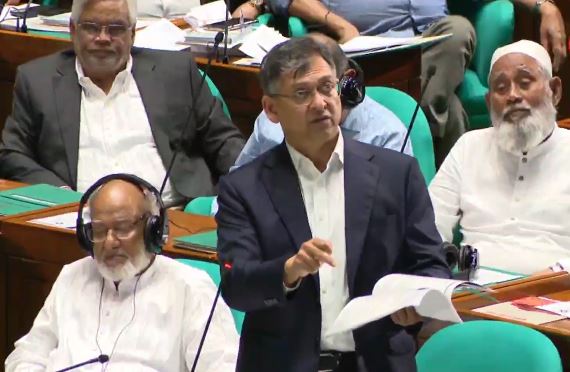
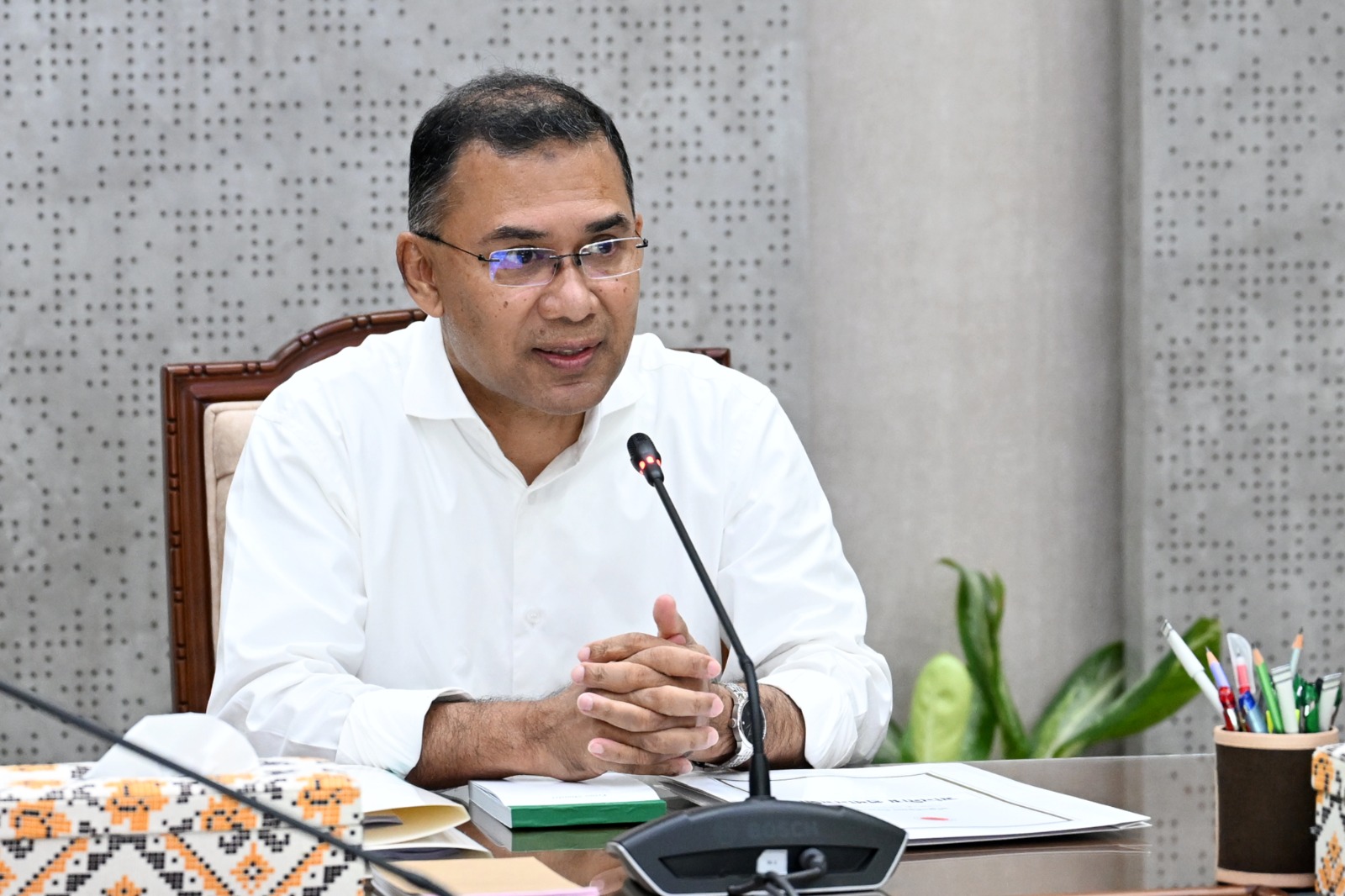
SANGSAD BHABAN, March 31, 2026 (BSS) - Home Minister Salahuddin Ahmed today called for forming a parliamentary special committee comprising representatives from all political parties and independent members to amend the Constitution through democratic processes, emphasizing that BNP is committed to implementing constitutional reforms.
He made the call while taking part in a discussion on the motion for summoning the session of the Constitution Reform Council in parliament today.
Opposition Leader Dr Shafiqur Rahman placed the motion in the House under the Section 62 of the Rules of Procedure for summoning the session of the Constitution Reform Council in line with July National Charter (Constitution Reform) Implementation Order, 2025.
The Home Minister said BNP supports constitutional reforms but believes such reforms must be carried out through democratic procedures, parliamentary consensus and constitutional provisions rather than through executive orders or unconstitutional mechanisms.
He said the “July National Charter (Constitution Reform) Implementation Order 2025” has created legal and constitutional debate, particularly regarding the formation and functioning of the proposed Constitution Reform Council and the authority of the President to convene its session.
The minister explained that according to Article 72 of the Constitution, the President convenes parliament based on the written advice of the Prime Minister and delivers a speech under Article 73, which is constitutionally valid.
However, he questioned the legal basis of convening a Constitution Reform Council through an executive order, stating that such a body has no constitutional existence unless the Constitution is amended through parliament.
He argued that after the first parliament sat on April 7, 1973, the President’s authority to issue orders affecting constitutional governance was limited, and any executive order attempting to change constitutional provisions would be inconsistent with Article 7, which establishes the supremacy of the Constitution and the sovereignty of the people.
“The Constitution is the supreme law of the land and any law inconsistent with it becomes void. Therefore, an executive order cannot change constitutional provisions or bind future parliaments,” he said.
The minister clarified that BNP fully supports the July National Charter 2025, which was signed by democratic political parties as a political consensus document outlining reform measures.
He said confusion is being created among the public by claiming BNP does not support the July Charter, which he described as incorrect.
Salahuddin noted that the charter has two major components—constitutional amendments requiring parliamentary approval and legal or administrative reforms that could be implemented through ordinances or executive actions by the interim government.
According to him, BNP supported holding a referendum to determine whether people supported the July National Charter, but such referendum should not be used to impose constitutional changes bypassing parliament.
He said the interim government does not have the authority to take fundamental constitutional decisions and that any constitutional amendment must be carried out through elected representatives in parliament.
The minister also raised concerns about the provision requiring constitutional reform to be completed within 180 days through the proposed reform council, saying such a provision would undermine parliamentary sovereignty and the authority of future parliaments.
He emphasized that no executive order, referendum question or administrative arrangement can override the sovereign authority of parliament or bind future legislative bodies.
Referring to the referendum, the minister said people expressed support for reforms, but that mandate should be implemented through democratic parliamentary procedures and consensus among political parties.
He said BNP considers itself responsible for fulfilling public expectations while ensuring inclusiveness by engaging all political parties in the reform process.
Calling for unity in parliament, the Home Minister urged all parties to work together to implement democratic constitutional reforms in line with the aspirations of the July student-led mass uprising and the expectations of the people.
“As representatives of the people, we must work through discussion and consensus to amend the Constitution and repair the state structure,” he added.
The Home Minister finally proposed forming a parliamentary special committee for constitutional amendments consisting of members from all political parties and independent lawmakers to prepare reform proposals and place constitutional amendment bills in parliament for approval.
The minister said BNP is committed to democratic constitutional amendments and pledged to implement reforms through parliamentary dialogue, consensus and constitutional procedures to meet public expectations and uphold democratic values.