News Flash
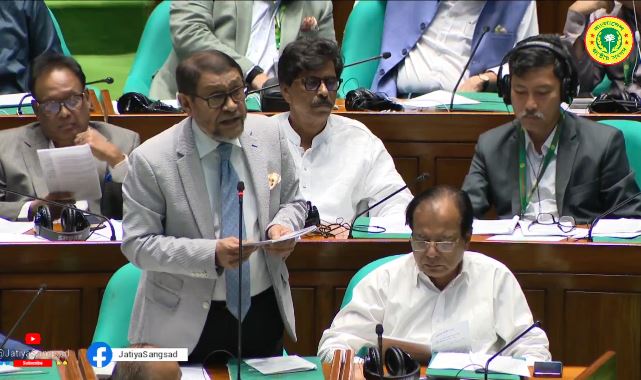
SANGSAD BHABAN, June 10, 2026 (BSS) - Health and Family Welfare Minister Sardar Md. Sakhawat Husain informed the Jatiya Sangsad (JS) today that the government planned to provide e-health cards to all citizens by 2028 as part of its efforts to ensure a universal healthcare system and expand digital health services across the country.
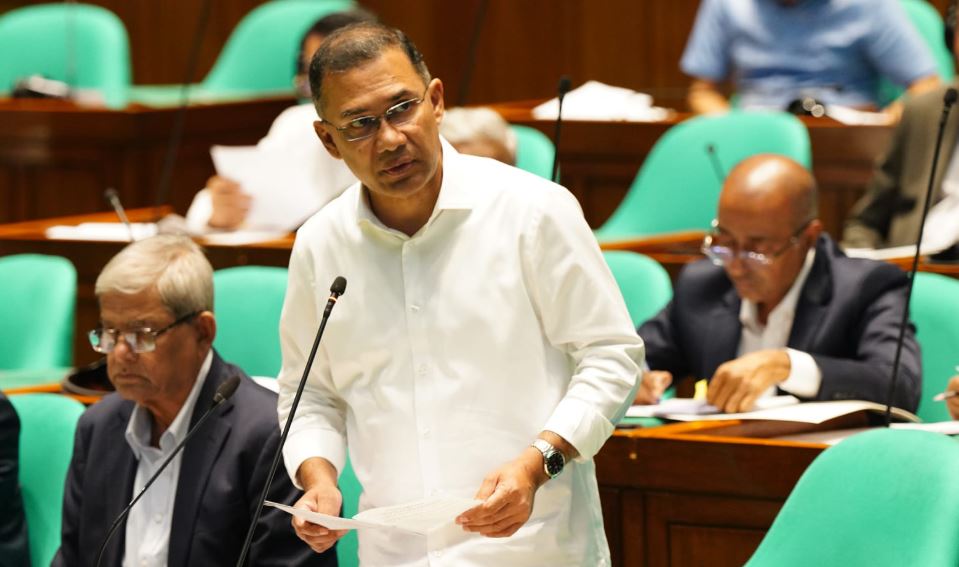
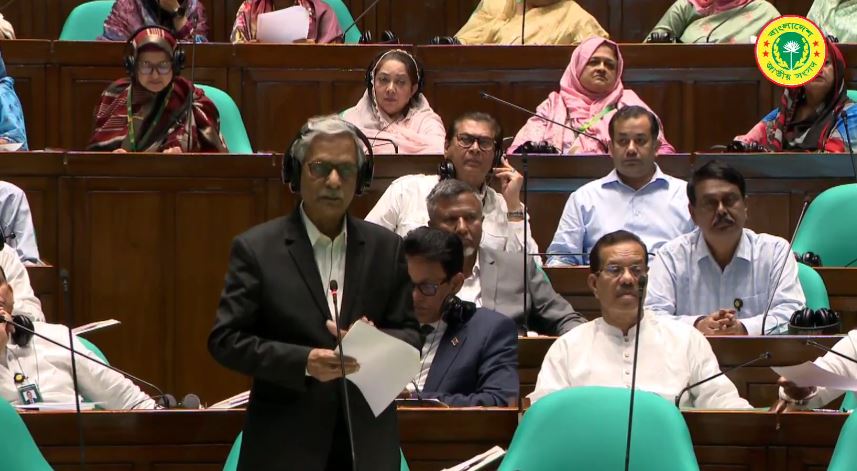
"There is a target of providing e-health cards to all citizens by 2028 through the technical assistance project," he said, while replying to a scripted question from opposition lawmaker Nurunnesa Siddiqua (Women Seat-37).
With Speaker Hafiz Uddin Ahmad, Bir Bikram, in the chair, Sakhawat Husain said the government is committed to ensuring healthcare as a fundamental right in line with its election manifesto. "So, the government is committed to gradually increase health sector allocations to 5 percent of the country's GDP," he added.
He also said the current government has a target to ensure universal health safety and provide health services to every citizen in line with its electoral manifesto.
Citing different time-befitting and effective steps taken to expand digital health services system, he said the government will provide e-health card, enhance the capacity district hospitals, the upazila health complexes, the union-level health service institutions and the health services programmes in the hilly and remote areas, set up new hospitals, improve the existing infrastructures and management, ensure free quality primary health services,
raise awareness about health and prevention of diseases, provide complete health service for mother and child, establish the drug and vaccine supply network, implement coordinated and modern nutrition programmes, control tobacco use related non-communicable diseases.
The Health Minister said the government plans to introduce a digital health ID and provide every citizen with an e-health card, enabling the creation of a nationwide digital health database.
"The initiative would help prevent duplication of medications, improve clinical decision-making, reduce unnecessary healthcare costs and ensure a more efficient, secure and patient-friendly health service system," he hoped.
"The issuance of e-health cards by developing a digital health ID will be considered an important foundation in the digital health system in Bangladesh, which will help prevent drug duplication, make sound medical decisions, and reduce unnecessary costs, ensuring an efficient, safe and patient-friendly healthcare system," he said.
Besides, the current government has also taken more steps, including the establishment of modern secondary healthcare units in every district, recruitment of 100,000 health workers to address manpower shortages and expansion of public-private partnerships for the treatment of life-threatening diseases.
Other planned measures include promoting healthy lifestyles, sanitation and nutrition awareness, ensuring safe drinking water supply, establishing a national ambulance pool and emergency service network, introducing AI-based national e-prescriptions and prescription audits, forming a national accreditation council for the health sector, and strengthening medical education.