News Flash
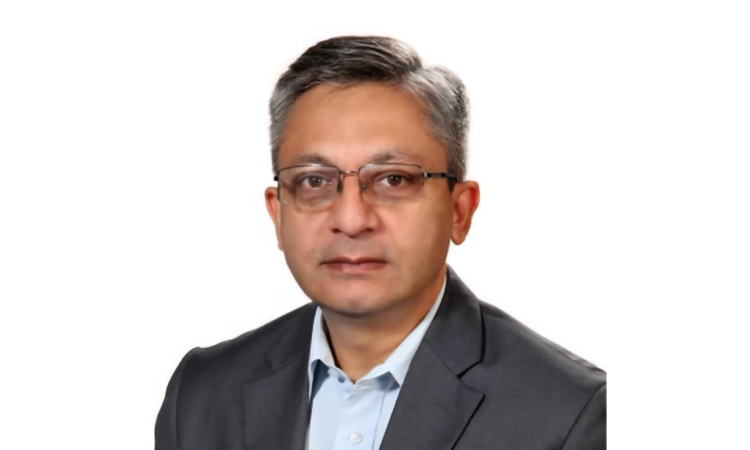
SANGSAD BHABAN, June 29, 2026 (BSS) – Textiles and Jute Minister Khandakar Abdul Muktadir today said the government has adopted a long-term plan to transform the country’s textile and jute industries into modern, sustainable and export-oriented sectors.
He said various initiatives have already been undertaken to achieve the goal and the Ministry of Textiles and Jute is working relentlessly to implement them.
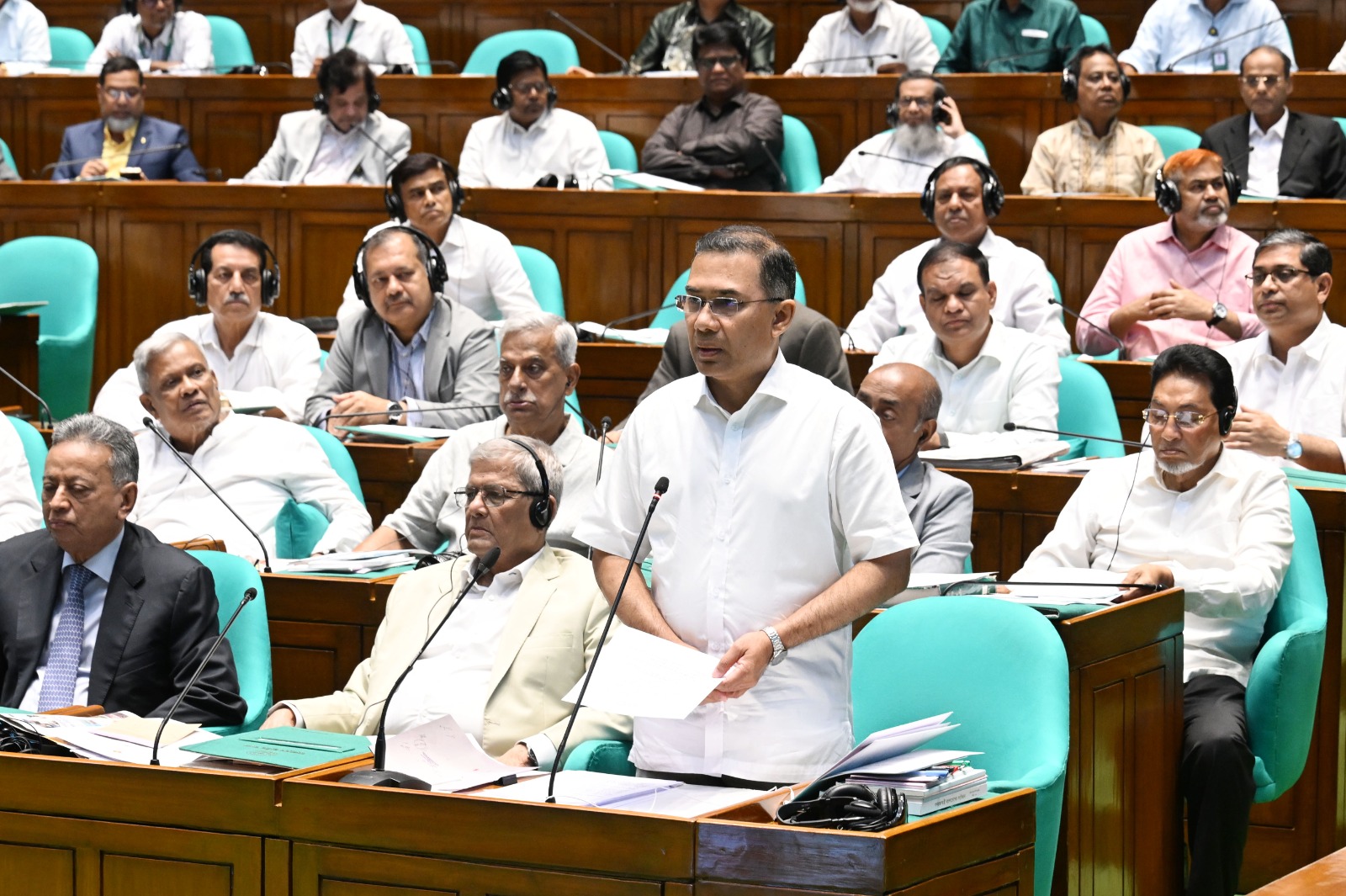
The minister said this while replying to a starred question from treasury bench member Rafiqul Islam Hilaly (Netrokona-3) in the Jatiya Sangsad with Speaker Hafiz Uddin Ahmad, Bir Bikram, in the chair.
He said the government has been conducting regular mobile court and enforcement drives to implement the Mandatory Use of Jute Packaging Act, 2010 to promote the jute industry, increase the domestic use of jute products and curb environmental pollution caused by synthetic packaging.
Muktadir said the government has formulated the Jute Act, 2017, the National Jute Policy, 2018, and the Charcoal Policy, 2022 to ensure the sustainable development of the jute sector.
To boost exports of jute goods, he said, the government is providing cash incentives to exporting companies.
Besides, the Jute Diversification Promotion Centre (JDPC) PLC is extending support to small jute entrepreneurs, while the project titled “Production and Expansion of Advanced Technology-Based Jute and Jute Seed” is helping increase the production of high-quality jute fibre.
The minister said although 25 jute mills under the Bangladesh Jute Mills Corporation (BJMC) were shut down in 2020 following a government decision, the present government has taken initiatives to reopen them as part of its election pledge.
So far, 14 mills have been leased out to private operators, of which nine have already resumed production, while the remaining mills are being leased out in phases, he added.
Replying to another starred question from treasury bench member Md Abdus Salam (Thakurgaon-2) on the same day, the minister said the country’s textile industry is playing a vital role in meeting domestic demand.
He said Bangladesh’s annual demand for textiles is around 8 billion metres, comprising 4 billion metres of woven fabrics and 4 billion metres of knit fabrics.
According to the minister, local mills currently meet about 90 percent of the demand for knit fabrics and around 40 percent of the demand for woven fabrics.
He added that the country’s handloom sector produces about 474.74 million metres of cloth annually, accounting for nearly 28 percent of the country’s total textile demand.