News Flash
By Pradyot Sri Barua & Jiten Barua
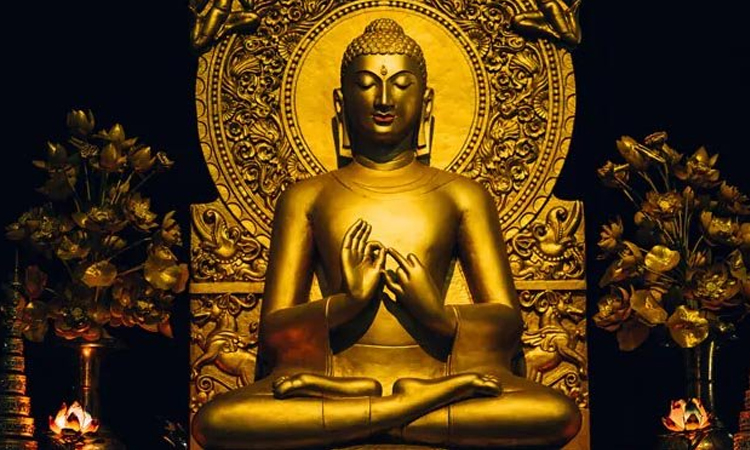
DHAKA, April 30, 2026 (BSS) – Bangladesh’s Buddhist community prepares to celebrate Buddha Purnima on May 1, the biggest of their religious festival, expecting the event to reaffirm their harmonious coexistence that subsisted for centuries in the country.
The event is an integral part of Buddhist heritage to commemorate the birth, enlightenment, and death of Buddha which coincides with the “Baishakhi Purnima” or the first full moon of the first month of Bengali calendar. The Buddhists globally celebrate the day as International Vesak Day since 2000 recognised by the United Nations.
“We have never felt separated from others and this event (Buddha Purnima) reaffirms our harmonious coexistence with Muslims, Hindus and followers of other faiths,” said Professor Dr Dipankar Srijnan Barua.
Srijnan Barua, a Buddhist leader and founder chairman of Pali department of Chittagong University, said the event was the biggest festival of the community but “this is universal” as everyone is welcome to join the festivity promoting interfaith harmony.
Retired Professor Sumangal Barua of the same department said this long Buddhist history underpins the community’s strong sense of inclusion and tolerance.
Buddhism is assumed to have entered ancient Bengal as early as the 6th century BCE during the lifetime of its founder Gautama Buddha since when the Buddhist culture continued to intertwine with the people of followers of other religious faiths and in later ages particularly with Muslims.
Followers of Buddhist faiths live almost all over Bangladesh but their population density is found in southeastern coastlines Cox’s Bazar, Chattogram, three hill districts of Rangamati, Bandarban and Khagrachhari, northeastern Sylhet and central Cumilla.
The members of the community mainly observe the day with special prayers which includes several rituals and fanfare of colourful morning marches.
“The festival is both spiritual and collective,” said Jashoda Barua of Bilchari village in Cox’s Bazar.
Jashoda Barua, who is in her mid 50s, said since her childhood she saw Buddha Purnima was being celebrated with enthusiasm and support from neighbouring Muslim families.
“There has never been any untoward situation around the festival. Our neighbours are always part of our joy,” she said.
Several of the most significant Buddhist archaeological sites are located in Bangladesh manifesting its legacy in Somapura Mahavihara and Mainamati of Cumilla and Mahasthangarh in Bagura as symbols of a rich Buddhist civilization.
Leading Buddhist priest Pragya Lankar Mahathero said the teachings of non-violence, equality and compassion remained as central point of Buddhist teachings harmony.
“In today’s turbulent world, the Buddha’s philosophy can help prevent conflict and restore values of peace and understanding,” said the religious leader who also represents the people in hill tracts region residing in Khagrachhari.
Professor Sumangal Barua supplemented him saying Bangladeshi Buddhists always made their visible coexistence with others in the arena of education, business and public services — whether in the hills or the plains.
“That participation has reinforced their connection with the wider society and participation in nation building including the 1971 Liberation War,” he said.
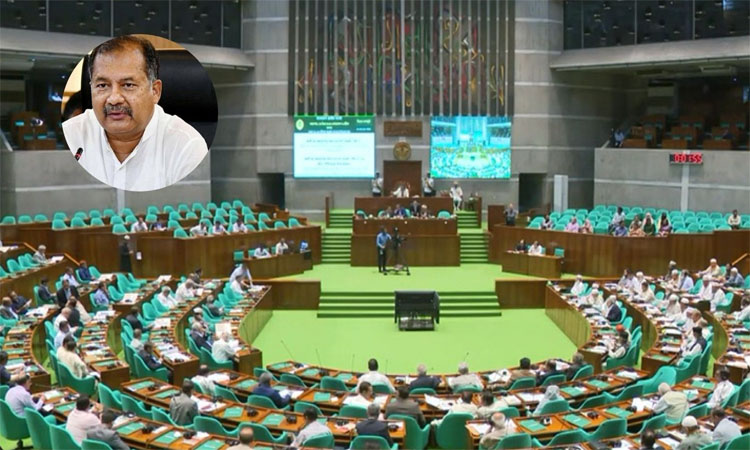
Lawmaker elected from Khagrachhari Wadud Bhuiyan said embracing Buddhist principles of non-violence could further strengthen communal harmony in the region.
“By upholding these values, we can build a lasting culture of peace where all communities coexist with dignity,” he said.
Swadhinata Padak recipient Professor Dr Sukomal Barua expressed hope that this year’s celebrations would proceed peacefully, reflecting Bangladesh’s long-standing tradition of religious harmony.
The festival is celebrated in recognition to the most sacred festival of the Buddhists, Buddha Purnima as well as the United Nations had designated as The International Vesak Day in 2000.