News Flash
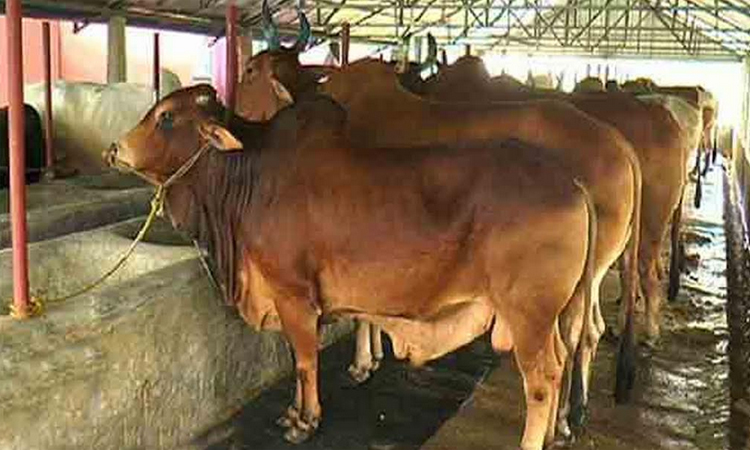
RAJSHAHI, April 30, 2026 (BSS) - With only 27 days left before the holy Eid-ul-Azha, livestock farmers across Rajshahi are passing busy days caring for their animals, as the district reports a significant surplus of sacrificial cattle.
According to the District Livestock Office, a total of 463,011 animals have been prepared for sacrifice this year against an estimated demand of 371,058, leaving a surplus of 91,953 animals. Officials expressed confidence that there will be no shortage of animals during the festival.
Data shows that the prepared animals include 104,841 cows, 3,425 buffaloes, 311,339 goats and 43,406 sheep, with goats accounting for the largest share, followed by cows, sheep and buffaloes.
The Rajshahi region, once heavily dependent on cattle imports from India during Eid seasons, has undergone a major shift in recent years. Tightened monitoring by the Border Guard Bangladesh (BGB) has effectively curbed the entry of Indian cattle, encouraging local farmers to expand livestock rearing.
As a result, cattle and goat farming has grown significantly at the household level across the division, alongside the establishment of new commercial farms. The increased domestic production has reduced reliance on external sources and created employment opportunities.
Farmers said they had been preparing for months ahead of Eid through fattening, proper care and marketing strategies, with a growing emphasis this year on natural rearing methods. However, many expressed concerns over rising production costs and hoped for fair market prices.
Abdul Kader, a farmer from Paba upazila, said he began preparations early and raised animals using local methods, but noted that higher costs have increased expectations for better returns.
Bappi Islam, another farmer, said he had been preparing for six months and is rearing six bulls this year, adding that high fodder prices remain a concern.
Selina Begum from Mohanpur upazila said she diversified her livestock by raising both large and small animals, including cows, goats and sheep, citing higher demand for smaller animals in the market.
Rafiul, a cattle farmer from Durgapur upazila, urged authorities to prevent the entry of Indian cattle, saying local farmers would benefit from fair prices if imports remain restricted.
Officials from the Livestock Department said overall animal production in Rajshahi division is satisfactory this year, with strengthened farmer training, vaccination drives and veterinary services ensuring healthy livestock supply.
Rajshahi District Livestock Officer Dr Md Atoar Rahman said local production has been sufficient to meet sacrificial demand in recent years and expressed optimism that the surplus animals will be supplied to other parts of the country, ensuring profitability for farmers.