News Flash
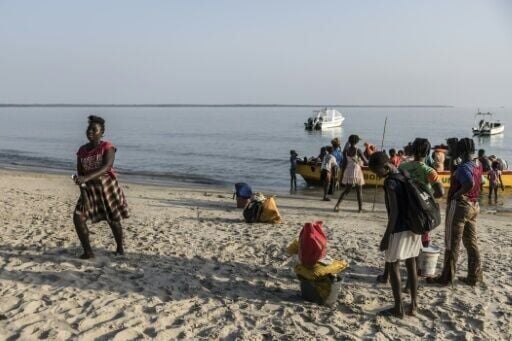
BIJAGOS ARCHIPELAGO, Guinée-Bissau, Dec 23, 2025 (BSS/AFP) - Turquoise waves
splash against the white sand beaches of the Bijagos archipelago, where
locals fear rising sea levels will swallow their islands whole.
Off the Atlantic coast of tropical Guinea-Bissau, the UNESCO World Heritage
Site is home to colonies of sea turtles, hippos, sharks, manatees, and nearly
850,000 migratory birds.
The archipelago hosts several sacred sites as well as artisanal fisheries
relied upon by some 25,000 inhabitants.
Made up of 88 islands and islets -- of which only about 20 are permanently
inhabited -- the archipelago stretches more than 10,000 square kilometres
(3,850 square miles).
"Every year, we lose up to 2 metres of the beach," said Antonio Honoria Joao,
administrative assistant and community organiser at Guinea-Bissau's Institute
for Biodiversity and Protected Marine Areas (IBAP).
He was in Bubaque, one of the archipelago's most populated islands with
nearly 5,000 inhabitants. Joao told AFP the island was "in danger".
"Fifty years ago, the beach was very wide," he said, strolling along the
sliver of remaining shoreline littered with wrecked canoes and collapsed
sections of wall.
"Today, everything is overrun by water, and it keeps advancing."
- 'Once so far away' -
Adriano Carlos Souarez has been running a seaside tourist camp since 2020. To
protect the site from the onslaught of crashing waves, he has put together a
towering 10-metre barrier made of tyres.
But part of the building has already been damaged, and a giant kapok tree
serving as a dyke also risks being uprooted.
"When I bought this land, it was five or six metres from the sea. But the
distance has shrunk," he said, adding he was scared to one day see his house
collapse.
At a small market in Bubaque, 45-year-old Joia Mendes Cno recalled "it wasn't
like this before", describing "a sea that was once so far away".
The vegetable seller said she was saddened at the sight of "water advancing
every day without being able to do anything".
According to a government report titled "Guinea-Bissau's Strategic Plan
2025", the coastline retreats by up to seven metres each year, causing
mangrove loss and threatening both humans and animals.
- Insufficient support -
Climate change and rainwater runoff that triggers landslides are at the heart
of the problem, IBAP's Joao said.
But he also condemned human factors such as the island's rampant urbanisation
and the dumping of waste on beaches, which weakens the coast against the
rising sea.
While other sites are also affected, Joao said the scale varies island to
island. Increased vegetation cover and rockier coasts have meant some islands
are better protected than others.
In its heritage listing, UNESCO said there was a "strong likelihood that
climate change will bring about changes in water circulation patterns, as
well as significant changes in sea level and, consequently, potential risks
of erosion and sedimentation".
The Intergovernmental Panel on Climate Change has long warned about rising
ocean levels linked to global warming and the risks posed to residents of
coastal areas, as well as the increased risk of biodiversity loss and the
extinction of certain species.
IBAP is working to identify affected sites, plant trees, and raise awareness
among local communities.
But the threat looms large, lamented a representative of the NGO on condition
of anonymity.
"We receive support from some international organisations, but it is not
enough," he said, calling on the government to invest more to ensure the
islands survive.