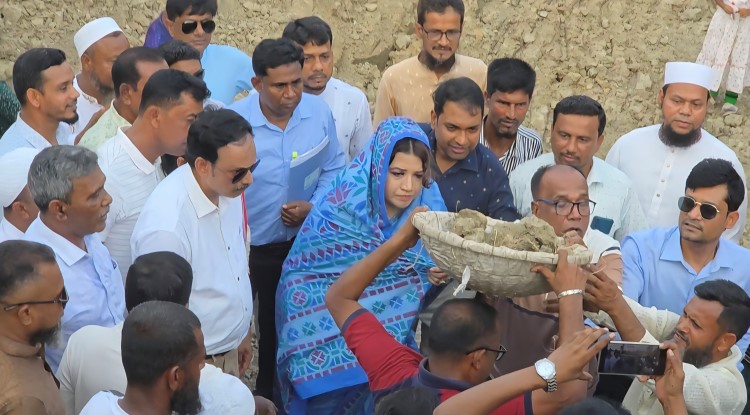
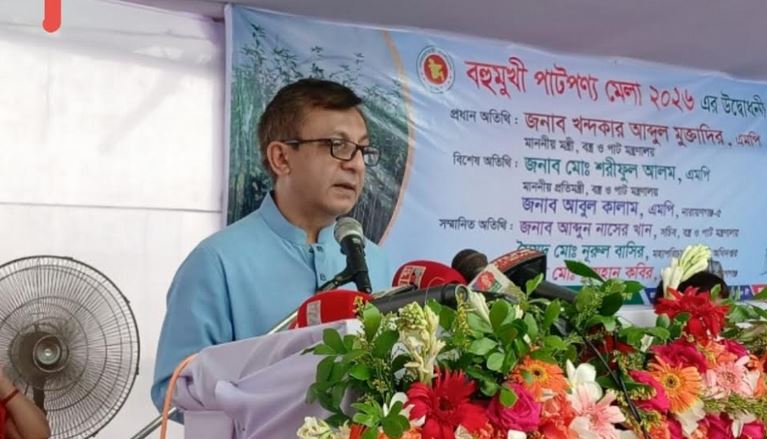
News Flash
By Md Saiful Islam
JASHORE, April 25, 2026 (BSS)- Ulashi in Sharsha upazila of Jashore is a name intertwined with a remarkable history of rural awakening, voluntary labour, and agricultural transformation.
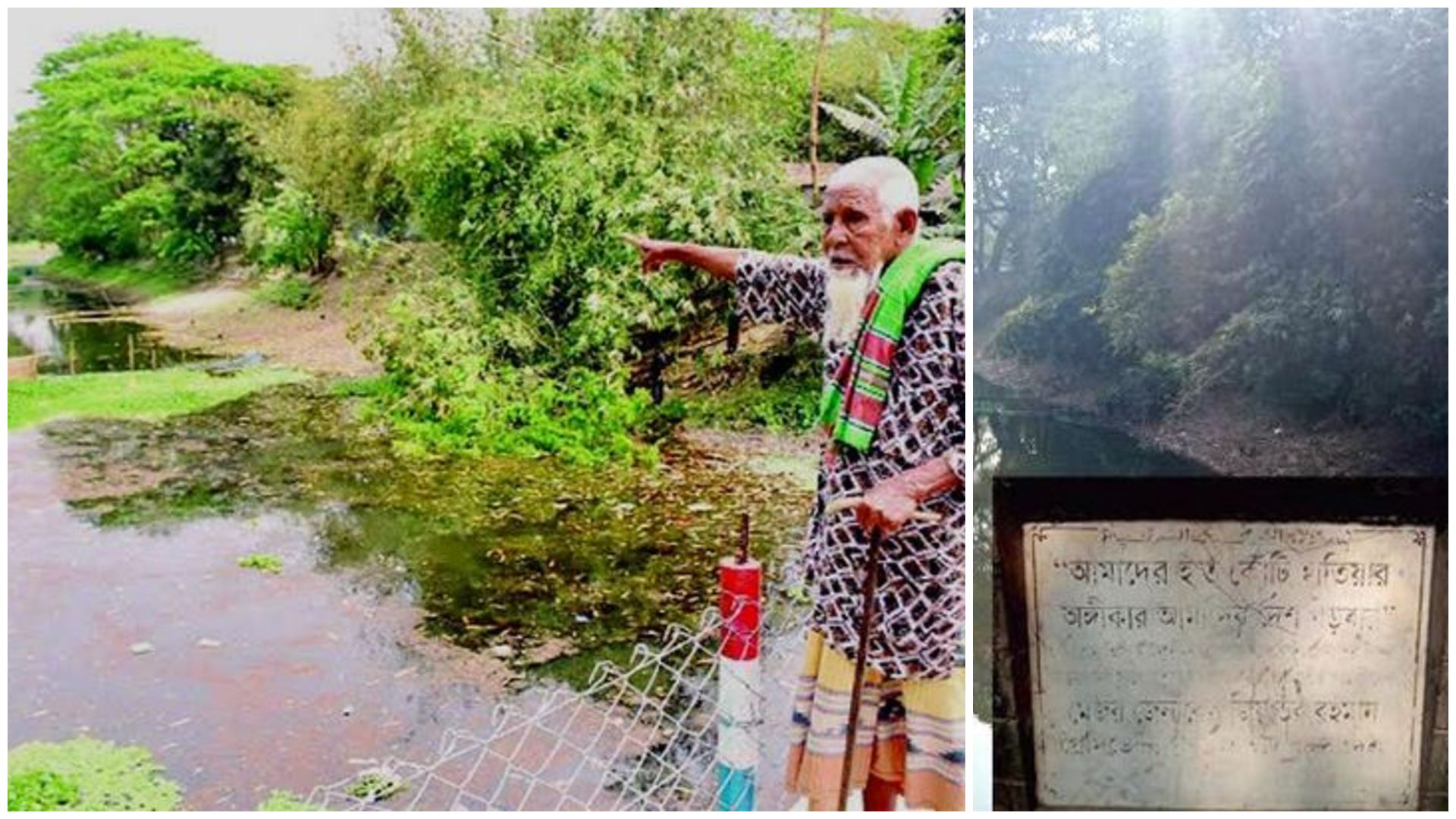
Nearly fifty years ago, a canal that changed the fate of this locality has now fallen into near extinction due to years of neglect. However, in a renewed effort to restore its vitality, Prime Minister Tarique Rahman is set to take up the spade—following the path once shown by his father Shaheed President Ziaur Rahman.
A new chapter is about to begin on April 27 next, when the Ulashi Canal re-excavation programme will be officially inaugurated—marking not just a development initiative, but a revival of history itself.
Revisiting 1976: A Historic Beginning
The people of Ulashi still vividly remember November 1, 1976. On that day, the then President Ziaur Rahman personally initiated the canal excavation by wielding a spade himself.
His symbolic act quickly turned into a mass movement. Elderly residents recall that thousands of people joined the effort voluntarily, working without pay and surviving on simple meals of bread and molasses.
Within just six months, approximately 4.5 kilometers of canal—from Ulashi to Jadunathpur—was successfully excavated, transforming the entire area into an agricultural landscape.
A Canal That Transformed Lives
The canal freed around 22,000 acres of land from water logging, enabling drainage from five major beels (wetlands). Irrigation systems were introduced, and 20 pumps were installed along the canal.
Land that once remained submerged for most of the year turned into fertile farmland. The cultivation of IRRI, Boro rice expanded, food production increased, and Sharsha gradually moved toward food self-sufficiency.
Eyewitness Accounts of History
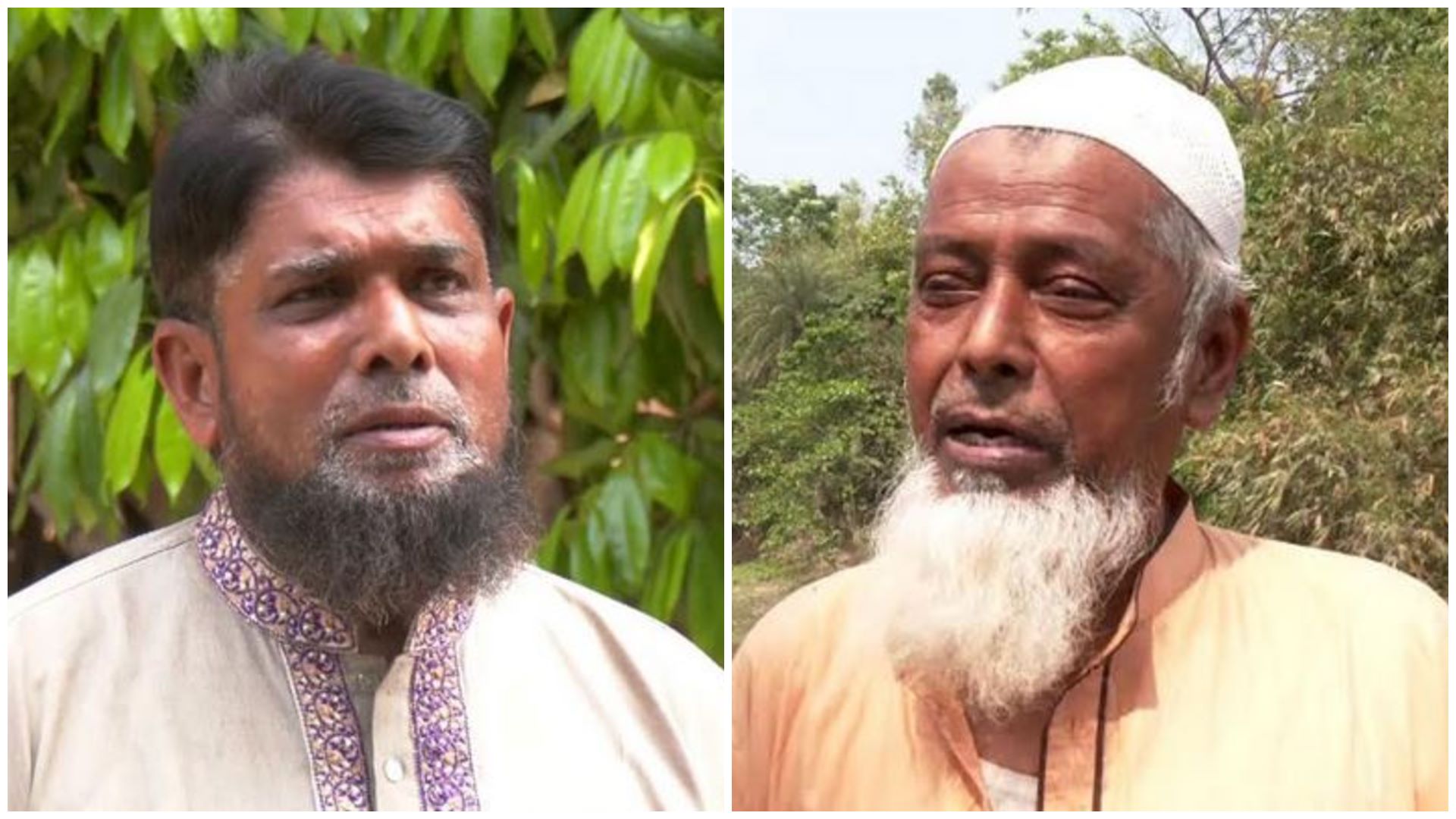
Now 65 years old, Abu Bakkar Siddiqi was just 14 at that time. Recalling the moment, he said: “President Zia cut soil with his own hands, filled a basket, and placed it on my father’s head. People voluntarily joined the digging as they the President himself joied the digging with spade in his hand.
Another elderly resident, Abdul Barik Mondal said, President Zia got down from a helicopter and walked to the site to take up the spade. He even took the traditional headgear from a local member and wore it himself—he was that close to the people.”
A Canal Lost to Neglect
Over time, the historic canal lost its vitality. Due to the lack of maintenance and re-excavation, it became silted and nearly dead. Water flow stopped, and local farmers were facing water logging and declining productivity.
Local resident Ahmad Ali said: “If the canal is revived, it will greatly benefit the farmers. We are waiting for that day.”
A New Ray of Hope
That long wait is now nearing its end. Under the initiative of Prime Minister Tarique Rahman, the canal re-excavation is set to begin. For the local people, this is not merely a development project—it is the continuation of a legacy and the revival of a vision.
The memorial monument of Ziaur Rahman’s historic initiative still stands by the canal, silently bearing witness. Beside it, a new generation now dreams of the return of those golden days.
From History to the Future
The re-excavation of Ulashi Canal is more than just digging earth—it represents the passing of a development philosophy from one generation to another.
The same spade that once sparked an agricultural revolution is now being taken up by his successor. The people of Ulashi believe this initiative will once again transform their lives and restore lost prosperity.
The scene from fifty years ago seems ready to come alive once more—with every strike of the spade awakening the earth, and on that soil, a new history being written.