News Flash
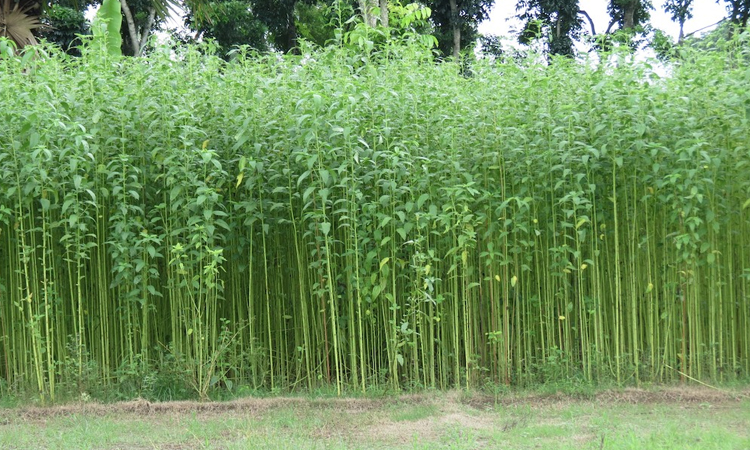
DHAKA, July 15, 2026 (BSS) – The recognition of 'Faridpur Jute' as a Geographical Indication (GI) product will take Bangladesh's jute industry to new heights in the global market, Agriculture Secretary Dr Rafiqul I. Mohamed said.
In a recent interview with Bangladesh Sangbad Sangstha (BSS) at his office at the Secretariat, he said the GI recognition would establish the unique identity of Bangladesh's jute and significantly enhance its brand value in the international market at a time when global demand for environmentally friendly natural fibres is increasing.
The agriculture secretary said jute is deeply intertwined with Bangladesh's history, heritage and economy. Once known as the country's "golden fibre", it was the leading source of foreign exchange earnings.
He said although the importance of jute declined for some time due to changes in the global market and the expansion of synthetic fibres, new opportunities have emerged amid growing concerns over climate change, plastic pollution and the increasing demand for environmentally friendly products.
He said Bangladesh currently exports 282 types of products to countries across the world. Among them, jute and jute goods continue to make a significant contribution to the country's export earnings.
According to the secretary, Bangladesh earned $820.16 million from exports of jute and jute products in the 2024-25 fiscal year. A major share of global export earnings from the jute sector belongs to Bangladesh, which is a matter of great pride for the country.
Dr Rafiqul I. Mohamed said concerns over the harmful impacts of plastic and polythene are growing worldwide. Every year, huge volumes of plastic waste threaten the environment and biodiversity. Against this backdrop, demand for jute is rising rapidly as it is a completely natural, eco-friendly and biodegradable fibre, creating a major economic opportunity for Bangladesh, he added.
He said various policy measures have been adopted to expand jute production, research, processing and diversified uses.
To ensure environmentally friendly packaging, the law requiring the mandatory use of jute packaging for 17 products, including fertiliser, sugar, paddy and rice, remains in force. Incentive and subsidy programmes for jute farmers are also continuing.
The agriculture secretary said around 692,000 hectares of land were brought under jute cultivation in the country during the 2024-25 fiscal year, producing about 1.427 million metric tonnes of raw jute.
He said effective international branding of this high-quality jute could significantly increase the country's export earnings.
He said Bangladeshi scientists were the first in the world to decode the jute genome, demonstrating the country's scientific capability at the international level. Building on that achievement, the Bangladesh Jute Research Institute (BJRI) has secured GI recognition for 'Faridpur Jute', marking an important milestone, he added.
He said the recognition would further strengthen the distinct identity of Bangladesh's jute in the international market while reinforcing legal protection against counterfeit or adulterated products.
Dr Mohamed said GI recognition is not merely a certificate but an economic identity. It gives international recognition to the heritage, quality and production characteristics of a specific region. As a result, farmers receive fair prices, entrepreneurs gain access to new markets and local economies become stronger, he added.
He said the current government is implementing a multidimensional action plan to revitalise the jute sector. Initiatives have been taken to increase the use of jute fabric in various government institutions.
"Steps have also been taken to introduce school bags made from jute yarn for students. Special emphasis is being placed on research, innovation and industrialisation to expand the diversified use of jute," he said.
The secretary said a permanent exhibition and sales centre displaying around 250 types of diversified jute products is operating at the Jute Diversification Promotion Centre in Tejgaon, Dhaka. At the same time, the government is working to increase cash incentives for export-oriented jute products and expand exports to international markets, including Europe, he added.
He said jute could become one of the key components of the green economy in the context of climate change. As global demand for environmentally friendly alternative products continues to rise, the international market for jute and jute goods is expected to expand significantly over the next few years.
Addressing scientists, the agriculture secretary said greater emphasis should be placed not only on jute but also on developing new technologies, climate-resilient varieties, modern agricultural management, mechanisation and biotechnology research for the overall advancement of agriculture.
He said if the results of agricultural research are delivered quickly to the field level, productivity will increase along with farmers' incomes.
Dr Rafiqul I. Mohamed said bringing every inch of land under cultivation, diversifying agricultural products and increasing exports are among the current government's top priorities.
He stressed that research institutions, the Department of Agricultural Extension, farmers and the private sector must work in a coordinated manner to make the agricultural sector more competitive and sustainable.