News Flash
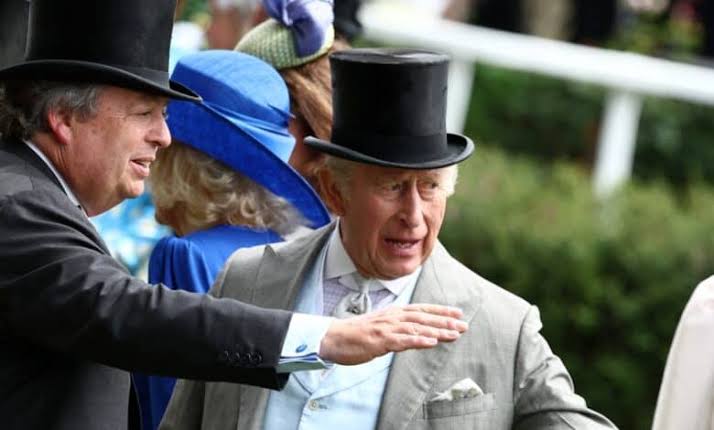
LONDON, June 21, 2026 (BSS/AFP) - King Charles III will reveal his personal
tax bill in a bid to improve transparency, Buckingham Palace confirmed to AFP
on Sunday, as royal finances come under increasing public scrutiny in
Britain.
British monarchs are legally exempt from paying certain taxes, though they
have paid some duties voluntarily for decades.
They also have no obligation to disclose their private tax bills, but recent
scandals surrounding the disgraced former prince Andrew Mountbatten-Windsor
have thrust the royal family's finances into the spotlight.
Charles began releasing his personal tax information when he was heir to the
throne, but will become the first monarch to disclose it.
"The decision to do so as Sovereign has come at the express wish of the King
himself," a palace spokesperson said in a statement released late Saturday to
a limited number of British media outlets.
It added that the move was "part of the adaptations carried across" since
Charles acceded to the throne in 2022.
"Our aim is to explain all elements of royal finances in a way that further
enhances clarity and accessibility, while also placing it in its historical
and constitutional context.
"To put it simply: we continue to modernise and evolve."
Charles's tax information will be shared on Thursday as part of the release
of annual royal financial accounts, the BBC reported.
- Varied income -
The head of the royal family gets money from various sources, including the
publicly-funded Sovereign Grant as well as private duchy income worth tens of
millions of pounds more.
The grant -- an annual government payment to cover the costs of official
duties by working royals -- has increased markedly in 2025-2026, to o132.1
million ($175 million), compared with o86.3 million the prior financial year.
Meanwhile, Charles received o26.8 million in private income from the Duchy of
Lancaster in 2024-25.
Profits from the historic duchy -- a large, diversified portfolio of land,
property, and investments managed like a modern business -- funds personal
expenses and some official duties.
It is the main source of private income for the head of the monarchy, with
the heir -- currently Charles's eldest son William, Prince of Wales --
benefiting from a similar arrangement with his Duchy of Cornwall.
Under UK law, monarchs do not have to pay income, capital gains or
inheritance taxes.
However, since 1993 they have voluntarily paid the first two, following
public pressure and scrutiny of royal finances, including questions over who
would pay for repairs following a fire at Windsor Castle.
Like his father, William voluntarily pays income and capital gains taxes on
his duchy's profits.
- Image repair -
The upcoming tax disclosures will illuminate Charles's other personal income.
The king owns both Balmoral and Sandringham Estates, which were inherited
from his mother, the late Queen Elizabeth II. They were exempt from
inheritance tax under a long-standing government agreement.
Other private sources of income could include money from investments or
trading profits.
The royal family has sought to repair its image since damaging revelations
around Andrew, Charles's younger brother, and his ties to the late US sex
offender Jeffrey Epstein.
It has also emerged that the disgraced ex-prince earned a private income from
subletting cottages while paying a symbolic "peppercorn rent" for a mansion
for more than two decades.
The UK parliament's watchdog Public Accounts Committee has launched an
inquiry into residential property arrangements provided to royals in the wake
of the revelations.
Norman Baker, a former lawmaker and longtime critic of royal finances, told
AFP earlier this year that Andrew's situation had "opened the door" to
greater scrutiny.
"In the end Britons are in the dark about the true cost of their monarchy,"
he said.