News Flash
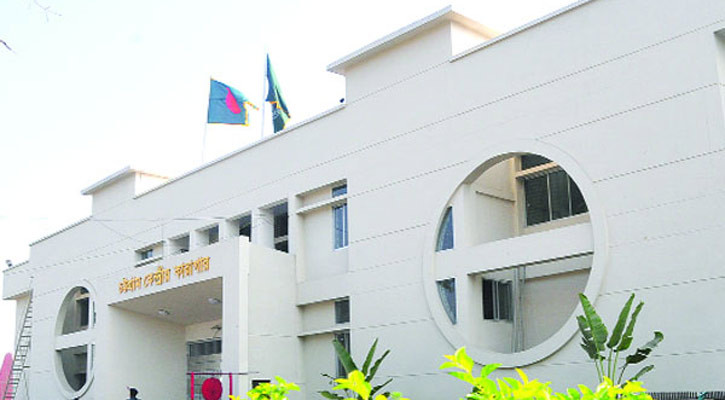
CHATTOGRAM, May 27, 2026 (BSS) - Chattogram Central Jail authorities have announced special arrangements to bring the spirit of Eid-ul-Azha to its inmates.
The initiatives include festive meals, opportunities for family visits and religious prayer sessions to help prisoners share in the holiday celebrations despite their confinement.
The prison currently holds approximately 6,000 inmates, a population that includes convicted individuals, death row prisoners and those on remand.
Jailer Syed Shah Sharif stated that the administration is making every effort to ensure inmates can enjoy the festivities while strictly adhering to government regulations.
This massive population means the facility is currently operating at nearly three times its intended capacity, as it was originally designed to hold only 2,249 prisoners.
Founded in 1885 and elevated to a central jail in 1999, the facility comprises several main buildings named Padma, Meghna, Jamuna, Karnaphuli, Sangu and Halda.
The Eid morning celebrations will begin with two separate prayer congregations. The first session will be held for the prison officers and staff, followed by a distinct congregation arranged specifically for the inmates.
Food plays a central role in the holiday arrangements, with a special three-course menu planned for the day. Inmates will start their morning with a breakfast of semai and muri. The lunch menu will feature a festive feast of pulao, beef or mutton, chicken roast, salad and betel nut. For dinner, prisoners will be served white rice, potato stew and fried fish.
To manage this extensive culinary operation, the inmates will handle the cooking themselves in multiple stages using 28 stoves, rather than employing professional chefs.
Furthermore, on the day following Eid, the prison will allow relatives to deliver home-cooked meals directly to the inmates.
The festive arrangements also extend to 40 children who are currently staying in the prison with their incarcerated mothers. While these children have committed no offenses, prison rules allow them to remain with their mothers until they reach the age of six, after which they are transferred to a children's home operated by the Department of Social Services.
The prison administration provides dedicated sports and educational facilities for these young residents, ensuring they can also partake in the Eid festivities.