News Flash
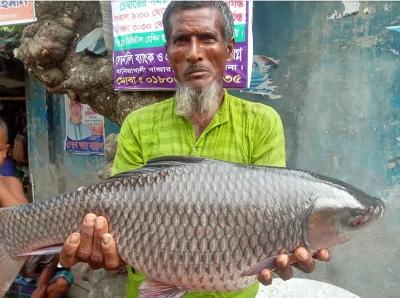
KHULNA, June 29, 2026 (BSS) – Large-sized carp and indigenous fish are now being caught regularly in the stretch of the Bhodra River adjacent to the Baniakhali Fish Sanctuary in Sharafpur Union of Dumuria upazila, reflecting the positive impact of government-led fish conservation initiatives.
Local residents and fishermen said they have started reaping the benefits of the government’s fish sanctuary protection programme and regular release of fish fry, as the river has witnessed a remarkable increase in fish production after many years.
According to local sources, the once-mighty Bhodra River gradually silted up and turned into an almost dead water body a few years ago.
However, the situation has changed significantly since the Department of Fisheries declared the Baniakhali area a fish sanctuary.
Fishing is prohibited inside the sanctuary, allowing fish to breed in a safe environment. As a result, fish populations have increased substantially in the surrounding open waters.
Large specimens of Rui, Catla, Mrigal, Aair and Chital, along with several indigenous species, are now frequently being caught by local fishermen.
The growing fish population is helping meet local nutritional needs while improving the livelihoods of fishing communities, locals said.
Talking to BSS, Senior Fisheries Officer of Dumuria upazila Sohel Md Zillur Rahman Regan said the sanctuary is under strict monitoring.
“Regular release of fish fry and proper management of the sanctuary have resulted in a significant increase in carp and indigenous fish species in the river. The local administration and the Department of Fisheries are working jointly to protect brood fish and prevent the destruction of fish fry. Public awareness has also played a vital role in making the initiative successful,” he said.
Khulna District Fisheries Officer Md Badruzzaman told the news agency that the success of the Baniakhali sanctuary demonstrates that proper conservation and management can revive fish production even in dead or stagnant water bodies.
“We are planning to expand fish sanctuaries and restore more natural water bodies across the district to protect indigenous fish species and ensure that local communities continue to benefit from these conservation efforts,” he added.
Local residents Mannan Gazi and Rahima Begum said that only a few years ago the river yielded very few fish, but both the size and number of fish have increased steadily since the sanctuary was established.
Environmentalists believe that the Baniakhali Fish Sanctuary has not only enhanced fish production but also played an important role in conserving the biodiversity of the Bhodra River.
Dumuria Upazila Nirbahi Officer (UNO) Sabita Sarkar described the Baniakhali Fish Sanctuary as a model initiative for protecting fisheries resources in the upazila.
“The upazila administration has been providing all-out support to the Department of Fisheries in protecting the river and the sanctuary.
“We are conducting regular mobile court drives to prevent illegal fishing during the banned period and will continue working with local representatives and residents to ensure the long-term sustainability of this initiative,” she said.