News Flash
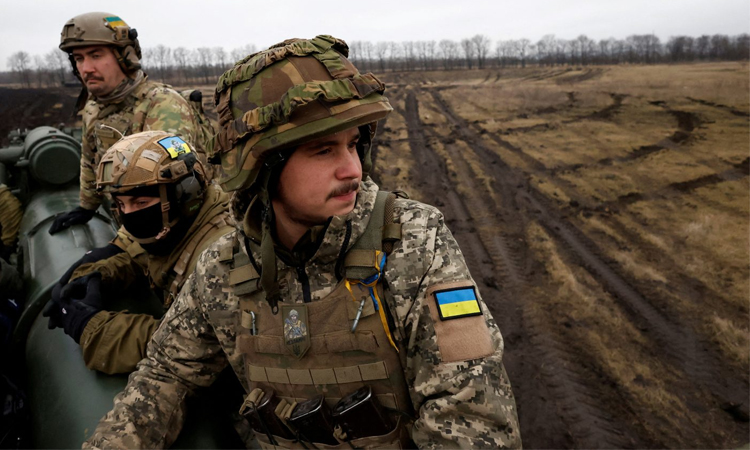
PARIS, France, Dec 10, 2025 (BSS/AFP) - Military aid for Ukraine plummeted in the second half of 2025 as falling European contributions failed to make up for the halt in US support, data from the Kiel Institute showed Wednesday.
As US President Donald Trump wound down US contributions at the beginning of the year, Europe stepped up with record pledges of almost 20 billion euros ($23 billion) between March and June, more than offsetting the overall shortfall.
But Europe was only able to muster fewer than eight billion euros between July and October, meaning Ukraine overall received the second-lowest amount for a four-month period since Russia's 2022 invasion began.
The overall total for the first 10 months of 2025 stands at 32.5 billion euros, meaning an additional 9.1 billion euros would be needed by the end of the year to maintain the 41.6 billion euros annual average from 2022 to 2024.
Ukraine's allies would need to send another 5.1 billion euros before the end of the year to avoid the current-record annual low of 37.6 billion euros, set in 2022.
"Based on the data available through October, Europe has not been able to sustain the momentum of the first half of 2025," said Professor Christoph Trebesch, head of Kiel's Ukraine Support Tracker.
"If this slower pace continues in the remaining months, 2025 will become the year with the lowest level of new aid allocations ever for Ukraine since the outbreak of the full-scale invasion in 2022," he added.
The United States contributed, on average, 21.4 billion euros to the 41.6 billion annual euros mean for 2022-2024, highlighting the scale of the task for Europe and other allies in filling the gap.
France, Germany and the United Kingdom increased their allocations substantially this year.
But Europe's leaders are looking for ways to fund a loan to Kyiv that, under current proposals, would be paid back by any eventual Russian reparations to Ukraine.
The EU on Wednesday laid out a plan to use frozen Russian assets to help fund Ukraine with 90 billion euros over the next two years.
Belgium, home to international deposit organisation Euroclear -- which holds most of the Russian assets -- has so far rejected the plan because of the potential legal repercussions.