News Flash
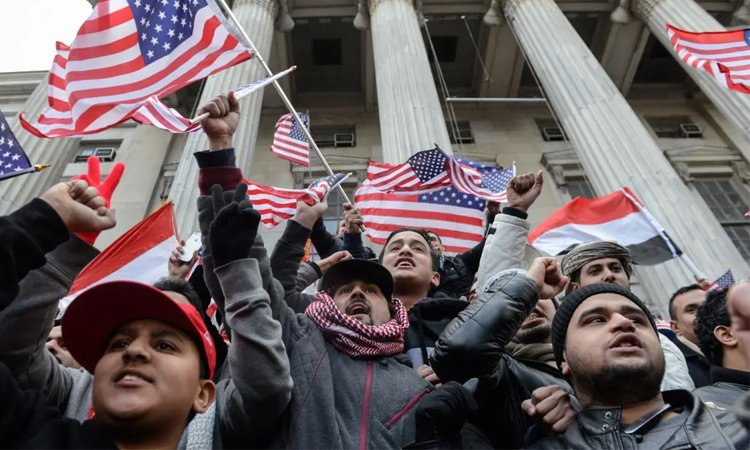
WASHINGTON, United States, Feb 14, 2026 (BSS/AFP) - The US government said Friday it is ending a protected status for migrants from Yemen, which had been in place for the past decade.
Secretary of Homeland Security Kristi Noem announced that Temporary Protected Status, or TPS, first designated for the Middle Eastern nation in September 2015 because of armed conflict there, would be terminated in 60 days' time.
The Trump administration has rolled back TPS protections for many nations, mostly in the developing world, as part of a drive to scale back immigration.
TPS allows narrow groups of people in the United States to live and work in the country if they're deemed to be in danger if they return to their home nations, because of war, natural disaster or other extraordinary circumstances.
It applied to roughly 1,400 Yemeni nationals in the United States.
"After reviewing conditions in the country and consulting with appropriate US government agencies, I determined that Yemen no longer meets the law's requirements to be designated for Temporary Protected Status," Noem said in a statement.
"Allowing TPS Yemen beneficiaries to remain temporarily in the United States is contrary to our national interest," she said, describing the revocation as an act of "putting America first."
While the protections are technically temporary, historically presidents have continued to renew TPS status for migrants rather than revoking it and rendering them undocumented.
Yemeni beneficiaries with no other lawful basis for remaining in the US have 60 days to voluntarily depart the United States or face arrest, the statement said, offering a complimentary plane ticket and a $2,600 "exit bonus" for those who "self-deport."
Yemen, one of the world's poorest countries, has been riven by civil war since 2014.
The State Department currently advises against travel to Yemen, citing "terrorism, unrest, crime, health risks, kidnapping, and landmines."
Since coming to office last year Trump has ended or sought to end TPS for nationals of Haiti, Somalia, Honduras, Nicaragua, Nepal, Ethiopia and Venezuela, among others.