News Flash
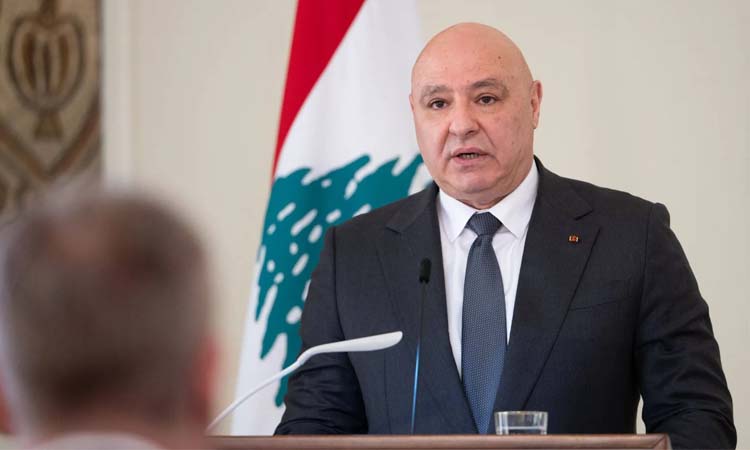
BEIRUT, Lebanon, July 18, 2026 (BSS/AFP) - Lebanese President Joseph Aoun on
Saturday left Beirut for Washington, where he is expected to meet Donald
Trump, the Lebanese presidency said, after talks between Lebanon and Israel
wrapped up in Italy.
It will be the first trip to Washington by a Lebanese head of state since
Michel Sleiman was received by Barack Obama in 2009.
Aoun will hold discussions "with several American officials on the situation
in Lebanon and ways to strengthen the ceasefire", particularly in Lebanon's
south, as well as on "the withdrawal of Israel from the Lebanese regions it
occupies", the presidency said.
Israel and Lebanon began US-sponsored negotiations in April aimed at reaching
a peace deal and permanently ending the Israel-Hezbollah war.
On June 26, they reached a framework agreement in Washington under which the
Israeli military is to withdraw from southern Lebanon and the Lebanese army
is to deploy, starting with two "pilot zones".
The agreement is contingent on the disarmament of Iran-backed militant group
Hezbollah, which has flatly rejected the deal and the Israel-Lebanon
negotiations.
Following the latest round of talks this week in Rome, Israel and Lebanon
"agreed on the structure and guidelines" to implement the pilot zones, a US
official said.
A Lebanese military source meanwhile told AFP that the Lebanese army has
begun intensifying patrols in several villages adjacent to areas occupied by
Israeli forces, including Froun in the Bint Jbeil district, in preparation
for implementing the pilot zones provision.
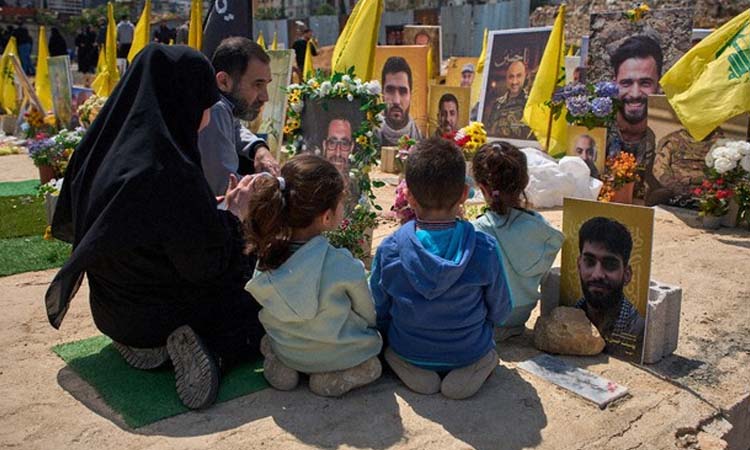
Hezbollah pulled Lebanon into the Middle East war on March 2, when it began
striking Israel in support of its backer Tehran.
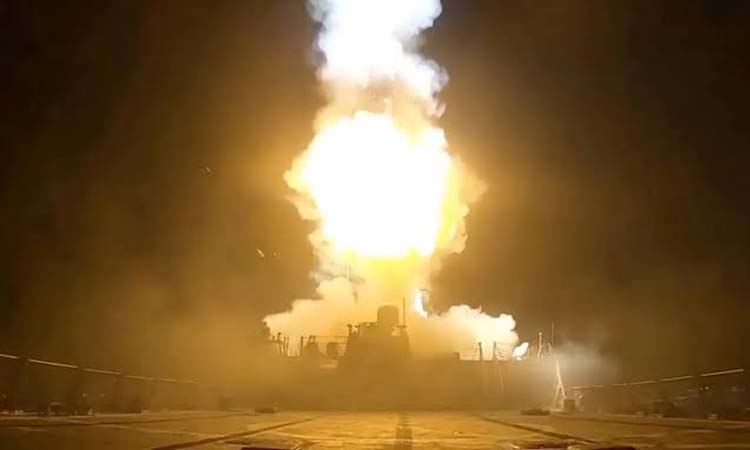
Israel responded with airstrikes and a ground invasion, and despite a
ceasefire continues sporadic attacks and holds territory in south Lebanon in
what it describes as a "security zone".
On Saturday, Lebanon's state-run National News Agency reported fresh
airstrikes against two towns located on the edge of the so-called security
zone, in the Tyre and Nabatieh regions.
The US embassy meanwhile warned Americans not to travel to Lebanon, citing
"high tensions in the Middle East".