News Flash
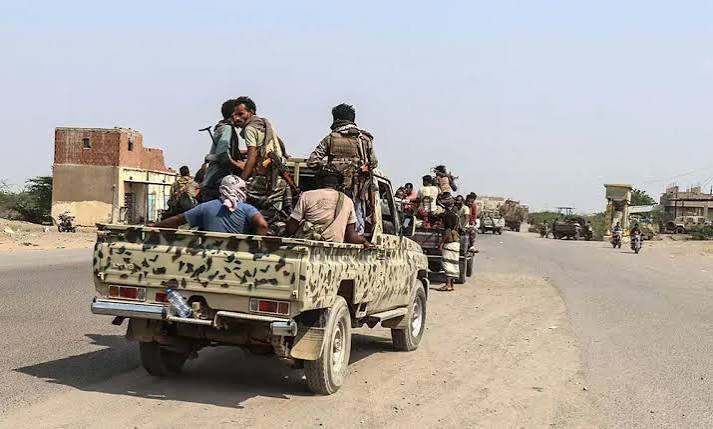
DUBAI, Sept 6, 2026 (BSS/AFP) - Fighting between Yemeni government forces and
Iran-backed Houthi rebels in southwest Yemen killed more than 140 combatants
between midday Saturday and early Sunday morning, military sources said.
Two military officials with the Saudi-backed government forces told AFP that
84 of their troops were killed, mostly in missile attacks, while four Houthi
military sources said 57 rebel fighters were killed in the same period.
Days-long clashes have erupted in Yemen over control of a gateway to the Red
Sea in the deadliest fighting in the Arabian Peninsula country since a 2022
ceasefire between the two sides collapsed in July.
Beginning on Thursday, the Houthis launched an offensive aiming to cut off
the government-held port city of Mokha, under fire for weeks, and advance
towards areas bordering the Bab al-Mandab chokepoint at the southern entrance
to the Red Sea.
According to an AFP tally compiled using various military and medical sources
from both sides of the conflict, more than 300 combatants and some civilians
have been killed since the start of the Houthi assault on Thursday.
One military official with the internationally recognised government based in
Aden said fighting had subsided in the early hours of Sunday morning.
The military official said government "forces were able to establish
positions for themselves north of Hays after advancing in the area",
referring to a frontline district less than 30 kilometres inland from the Red
Sea coast.
But the official added the Houthis had advanced west of Taiz, south of Hays,
in their push towards the Bab al-Mandab.
With Iran's closure of the Strait of Hormuz to commercial ships, the Bab al-
Mandab chokepoint has gained importance as a transit route for oil from Saudi
Arabia, the world's biggest exporter of crude.
In July, a fragile truce between the Houthis and Yemen's government fell
apart after the rebels welcomed an Iranian plane to the capital Sanaa,
setting off a spate of attacks.
The fighting between the Iran-backed Houthis and government troops supported
by US ally Saudi Arabia signals the emergence of a new front in the wider
Middle East war, which broke out in late February with US-Israeli strikes on
Iran.
The Houthis have also announced a maritime blockade of Saudi Arabia and have
begun targeting its ships and territory.