News Flash
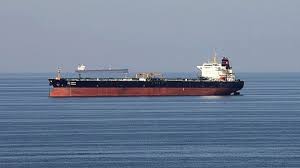
PARIS, France, June 18, 2026 (BSS/AFP) - Three big Saudi oil tankers left the Gulf through the Hormuz Strait on Thursday, maritime trackers said, after leaders vowed to reopen the route under an agreement to end the US-Iran war.
Virtually halted during three and a half months of conflict, traffic through the crucial trade route appeared to pick up slightly, though shipping groups warned that plans for the resumption of traffic were still not clear.
At 1430 GMT maritime data firm Kpler indicated that eight commodities ships had transited the strait so far Thursday -- approximately equal to the average daily volume of traffic over the past week.
Among them were three very large crude carriers (VLCC), each transporting two million barrels of oil from Saudi Arabia, the tracker said.
The rate of crossings remained well below the 120 transits per day recorded before the war, according to leading shipping journal Lloyd's List.
Also among the vessels transiting was the loaded liquefied natural gas vessel (LNG) Mraikh -- the first such French vessel to make the transit since the start of the Iran conflict on February 28.
That carrier began moving on Wednesday roughly at the time it was announced US President Donald Trump had signed a memorandum of understanding in which Iran committed to immediately reopening the strait.
Only 15 LNG carriers, including the Mraikh, have left the Gulf with a cargo since the start of the conflict, according to Kpler. They were all carrying LNG from Qatari or the United Arab Emirates.
Despite the US-Iranian accord, "significant safety and security risks still persist," said Jakob Larsen, chief security officer at leading shipping lobby BIMCO, in a statement on Thursday.
"The central part of the Strait is mined and un-navigable," he added.
The agreement lacks details on measures to clear ships from the Gulf, Larsen added, but "BIMCO expects an international coordination body to be established shortly to facilitate transits."
More than 500 commercial vessels are still stuck in the Gulf, with about 11,000 seafarers on board, according to the International Maritime Organization. It says 20,000 seafarers in the region have been affected by the war overall.