News Flash
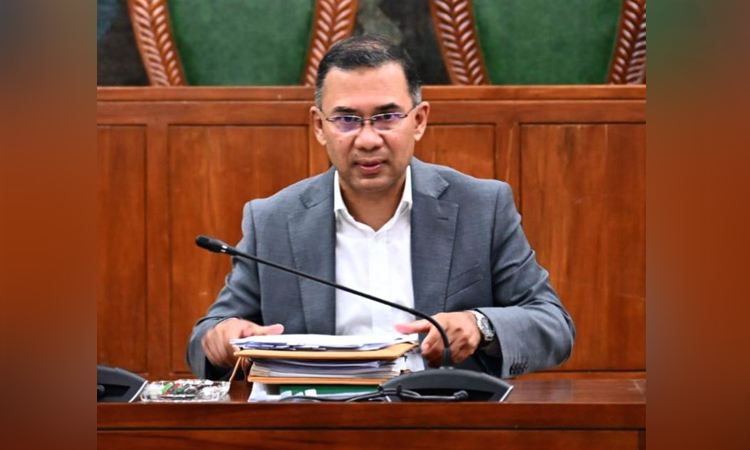
DHAKA, June 18, 2026 (BSS) - The Cabinet today gave in-principle approval to the draft of the 'Gambling Prevention Act, 2026' at its 10th meeting chaired by Prime Minister Tarique Rahman.
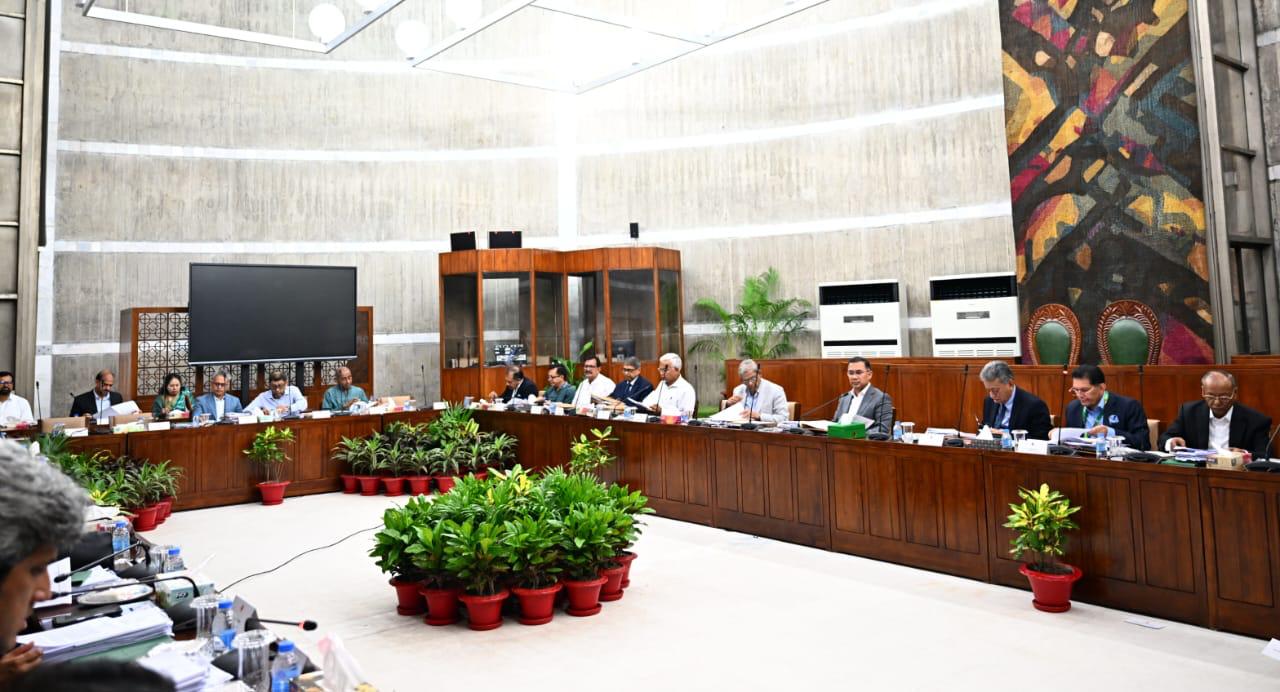
The Cabinet meeting was held at the Cabinet Room in the Jatiya Sangsad Bhaban here this evening.
The draft of the law was placed by the Ministry of Home Affairs. According to the summary of the proposed law, the expansion of modern technology has facilitated the spread of various forms of online and offline gambling activities.
To maintain public order, reduce criminal tendencies, prevent socio-economic and psychological harm, and preserve the country's overall moral and economic balance, the government has updated and modernized 'The Public Gambling Act, 1867' through necessary amendments and prepared the draft of the 'Gambling Prevention Act, 2026'.
The key features of the proposed law include definitions of gambling, gambling premises, gambling equipment, digital assets, digital gambling platforms, digital wallets, totalizators, online and remote gambling, betting, bookmakers, match-fixing, spot-fixing and other gambling-related activities.
Provisions for various penalties, including fines, imprisonment, or both, depending on the nature of the offence were also included in the law. The Cabinet subsequently granted final approval to the draft law, subject to vetting by the Legislative and Parliamentary Affairs Division.
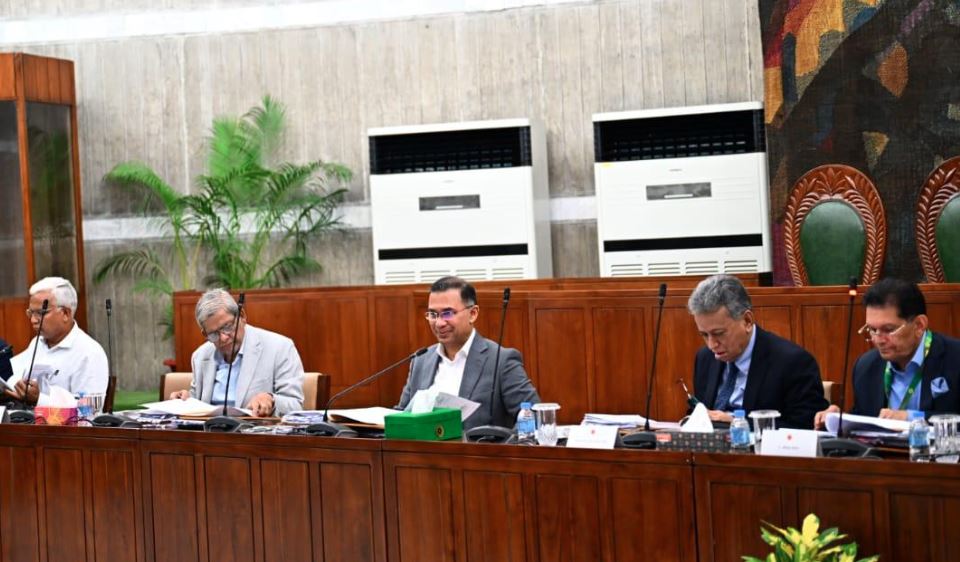
The Cabinet also gave final approval to the draft of the 'Public Examinations (Offences) (Amendment) Act, 2026,' which was placed by the Secondary and Higher Education Division.
According to the summary, the 'Public Examinations (Offences) Act, 1980' was enacted to prevent copying and question paper leaks in public examinations, and preparing forged certificates and other irregularities.
However, due to the widespread use of technology and the increasing tendency to commit examination-related offences through digital means, several provisions of the existing law have become outdated.
The amendment aims to ensure a fair and cheating-free examination environment and bring digitally facilitated examination-related crimes under legal provisions.
Hacking or illegally altering public examination results or merit lists has been considered a new crime with the title 'Digital Manipulation' in the drafted law.
The provisions of the law included a maximum punishment of five years' imprisonment and a fine for committing digital manipulation and stricter penalties and fines for organized examination fraud and the formation of cheating syndicates.
The Cabinet also gave in-principle approval to the draft of the 'Bogura University Act, 2026,' proposed by the Secondary and Higher Education Division.
According to the draft, although the 'Bogura Science and Technology University Act, 2001' was published in the official gazette on July 15 in 2001, it was not implemented. Administrative recruitment and academic activities of the university are currently in the process of being launched.
Considering present realities, the government has decided to transform the proposed institution into a full-fledged general university to facilitate education and research in science, biology, engineering, technology, arts, social sciences, business administration, law, agriculture, medical sciences and other emerging fields of knowledge.
The move is aimed at promoting knowledge, research and the development of skilled human resources.
The Cabinet approved the draft of the 'Narcotics Control (Amendment) Act, 2026'.
The Ministry of Home Affairs placed the law in the cabinet, which stated that the 'Narcotics Control Act, 2018 (amended in 2020)' was enacted to control narcotics, reduce supply and demand, prevent abuse and smuggling, and provide treatment and rehabilitation for drug addicts.
In view of changing patterns of drug trafficking and abuse, the spread of technology-based narcotics-related crimes, and practical challenges encountered in judicial proceedings, several provisions of the law have been amended and expanded.
Key features of the law included provisions for establishing Narcotics Crime Suppression Tribunals to strengthen judicial proceedings, curbing technology-driven narcotics offences, particularly crimes committed in cyberspace.
The law also included provisions for preventing drug smuggling in border areas, conducting drives and strengthening inter-agency coordination, and forming dog squads to facilitate the detection of narcotics.
The Cabinet granted final approval to the draft of the 'Narcotics Control (Amendment) Act, 2026,' subject to vetting by the Legislative and Parliamentary Affairs Division.