News Flash
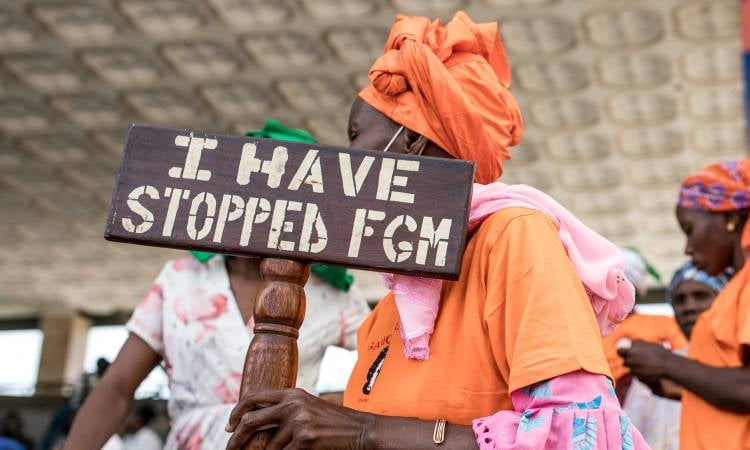
GENEVA, April 28, 2025 (BSS/AFP) - The World Health Organisation said on Monday it wanted a code of conduct to bar medical workers from performing female genital mutilation (FGM).
Issuing fresh guidelines on how to halt FGM, the UN health agency highlighted the important role played by health professionals in detecting the widely condemned practice and supporting survivors.
But it said there was evidence to suggest that health workers in several parts of the world were themselves often called upon to perform the procedure, rather than it being done by local communities.
"Female genital mutilation is a severe violation of girls' rights and critically endangers their health," said Pascale Allotey, WHO's head of sexual and reproductive health and research.
"Health workers must be agents for change rather than perpetrators of this harmful practice and must also provide high quality medical care for those suffering its effects," she said.
FGM involves the partial or total removal of the female external genitalia or other injuries to the female genital organs.
It can lead to serious health problems including infections, bleeding, infertility and complications in childbirth.
An estimated 230 million girls and women alive today have undergone FGM, according to UN Women, with the practice typically carried out on young girls before they reach puberty.
Significant effort has gone into halting the traumatic and painful procedure, which is linked to cultural norms and has no health benefits.
- 'Unintentionally legitimising FGM' -
WHO highlighted that since 1990, the likelihood of a girl undergoing the procedure has decreased threefold.
However, it remains common in some 30 countries, with around four million girls remaining at risk each year, it said.
The UN health agency said the medicalisation of FGM risked "unintentionally legitimising the practice", thereby jeopardising the efforts to root it out.
It called in its new guidelines for professional codes of conduct that expressly prohibit health workers from performing FGM.
It also stressed "the need to positively engage and train health workers for prevention".
"Research shows that health workers can be influential opinion leaders in changing attitudes on FGM," said Christina Pallitto, a WHO scientist who led the development of the new guidelines.
"Engaging doctors, nurses and midwives should be a key element in FGM prevention and response."
In addition to prevention, the new guidelines include clinical recommendations to help ensure that FGM victims receive empathetic and high quality medical care.
Highlighting the large variety of short- and long-term health issues caused by the practice, the WHO said: "Survivors may need a range of health services at different life stages, from mental health care to management of obstetric risks and, where appropriate, surgical repairs."