News Flash
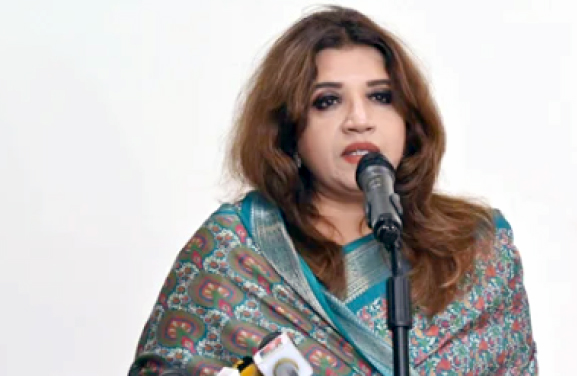
DHAKA, Sept 6, 2026 (BSS) - State Minister for Foreign Affairs Shama Obaed Islam today called for expediting verification of Rohingyas under existing bilateral arrangements with Myanmar, saying the process cannot become an open-ended administrative exercise delaying actual repatriation.
"Verification cannot become an open-ended administrative exercise. We need to expedite verification on the basis of the existing bilateral arrangements," she said.
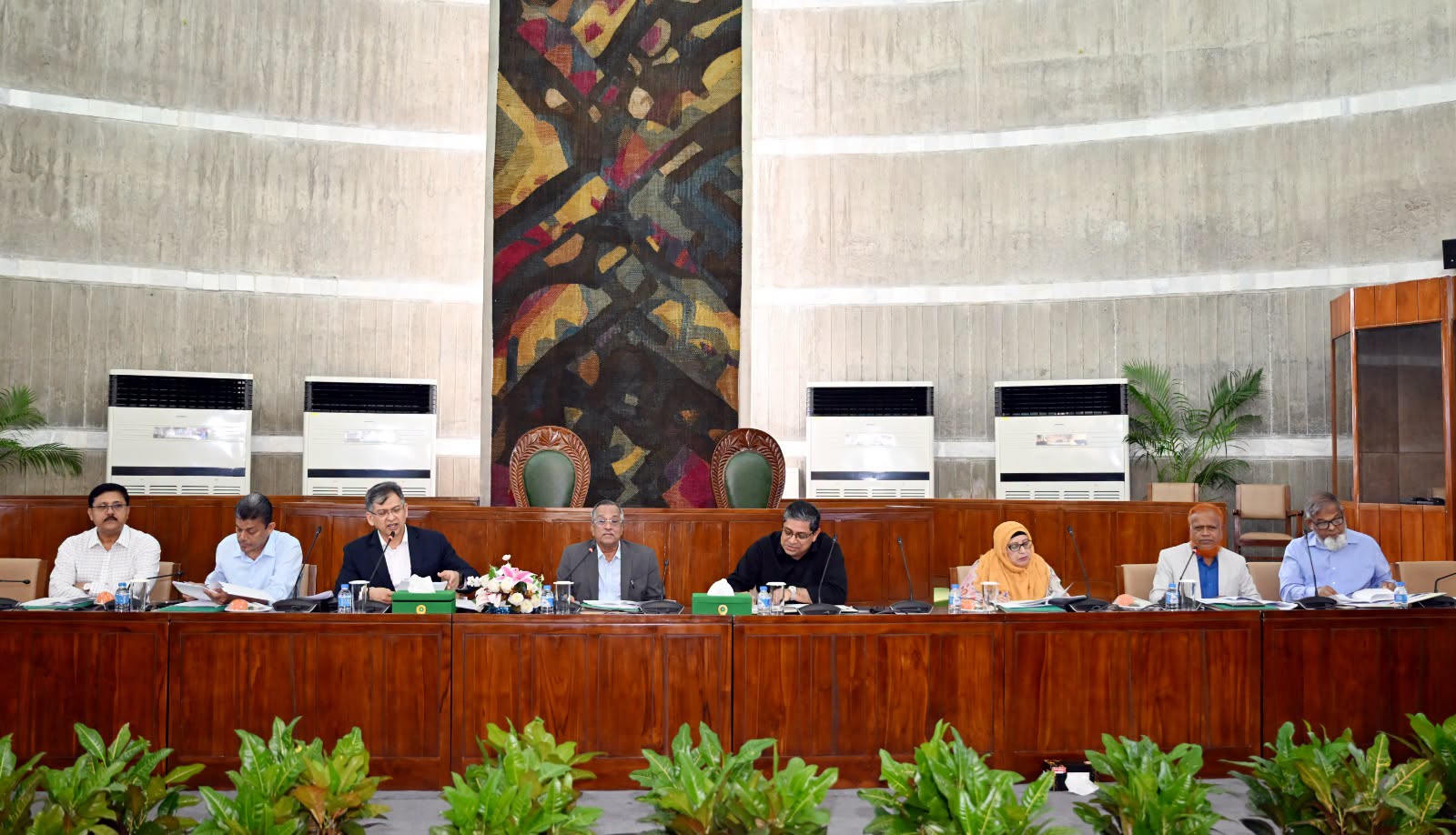
Shama made the remarks while addressing, as a special guest, a roundtable discussion titled "The Rohingya Crisis: Emerging Challenges and Reframing Response Strategies", organised by The Institute for Global Cooperation Foundation (IGCF), at the Bangladesh Institute of International and Strategic
Studies (BIISS) auditorium here.
The state minister said Bangladesh, in its bilateral engagement with Myanmar, has prioritised accelerating the verification process to move towards actual repatriation.
She stressed the need to address practical realities involving Rohingyas born in the camps as well as those who have arrived from Rakhine State since 2017.
Shama said Bangladesh's diplomatic efforts are aimed at maintaining international attention on the protracted crisis, strengthening humanitarian support, promoting accountability and, above all, creating conducive conditions for the Rohingyas to return home.
She warned that Bangladesh is finding it increasingly difficult to sustain its humanitarian responsibilities amid declining international funding.
"Bangladesh will continue to fulfill its humanitarian responsibilities, but humanitarian support is becoming increasingly difficult to sustain as international funding declines," she said.
Dhaka is therefore urging donors and international partners to scale up their support to protect the lives of the displaced Rohingya population, she continued.
The state minister, however, stressed that humanitarian assistance should be managed carefully so that support provided in the camps does not inadvertently encourage further displacement or complicate prospects for eventual return.
Shama said the key to sustainable repatriation ultimately lies in creating appropriate conditions in Myanmar's Rakhine State.
"We need security there; we need respect for identity and rights there. We need legal recognition for Rohingya there. We need freedom of movement there, and we need access to livelihoods, education, and healthcare," she added.
The state minister for Foreign Affairs said returning Rohingyas must also have confidence that repatriation would not expose them to another cycle of displacement.
Dialogue aimed at reconciliation is necessary to achieve this, she said, seeking stronger engagement from the international community.
Shama called upon the United Nations, ASEAN, development partners and other international stakeholders to support practical confidence-building as well as humanitarian and development initiatives in Rakhine state.
Such engagement, she said, could help prepare the ground for repatriation while addressing the concerns of both returning Rohingyas and host communities in Rakhine.
The state minister said accountability must remain an integral part of efforts to resolve the Rohingya crisis.
Bangladesh continues to support international accountability mechanisms, including proceedings before the International Court of Justice (ICJ) in The Gambia v. Myanmar case, she said.
"Justice is not separate from repatriation; accountability and sustainable return must reinforce each other," Shama said.
She outlined a multidimensional diplomatic strategy involving bilateral engagement with Myanmar, stronger engagement through the UN, regional cooperation involving ASEAN and other partners, humanitarian and development initiatives in Rakhine and sustained international attention to accountability and the root causes of the crisis.
"But the objective must remain singular: to enable the Rohingyas to return home with safety and dignity," she said.
Shama said Bangladesh has already demonstrated humanity, patience and diplomatic commitment in dealing with the crisis, while its past experience showed that repatriation is achievable.
She said the challenge now is to combine political will at home, diplomatic engagement abroad and humanitarian assistance during the transition and concrete measures towards repatriation.
The state minister also said another important conference on the Rohingya crisis would be held on the sidelines of the upcoming United Nations General Assembly, where Prime Minister Tarique Rahman would participate.
Expressing optimism about ultimately resolving the crisis, Shama called for a transition "from protracted displacement to dignified return, from crisis management to crisis resolution, and from uncertainty to hope".
Home Minister Salahuddin Ahmed spoke as the chief guest while Prime Minister's Adviser on Public Administration Md Ismail Zabihullah delivered a speech as the guest of honour.