News Flash
By Md Aynal Haque
RAJSHAHI, July 14, 2026 (BSS) - With the combined efforts of citizens, entrepreneurs, and political leadership, Rajshahi can develop into a smart, people-friendly, and promising city.
Rajshahi is widely known as the city of mangoes, silk, and education. Located on the elevated land of the Barind region, its comparatively flood-free environment and clean air distinguish it from many other parts of the country.
With abundant agricultural products, a clean urban lifestyle, and an education-friendly atmosphere, the city has developed into a stable, safe, and promising urban center.
At the root of the problem is the lack of industrial development and job creation. Despite having infrastructure and facilities, Rajshahi lacks well-planned industrial initiatives.
Although the city has access to industrial gas, uninterrupted electricity, and low-cost transportation of goods via railway, what is missing is long-term planning and initiatives to develop entrepreneurs.
These views were shared by business leaders, entrepreneurs, think tanks, and social watchdogs while talking to BSS separately over the past couple of days here.
One of the most practical ways to strengthen Rajshahi's economy could be the expansion of agro-based industries. If small food-processing centers are established on the outskirts of the city, a strong industrial chain centered on local agricultural products could emerge.
Through Technical Training Centers (TTC) or Youth Development Centers, young people could be trained in food processing, packaging, and export management, turning them into a skilled workforce.
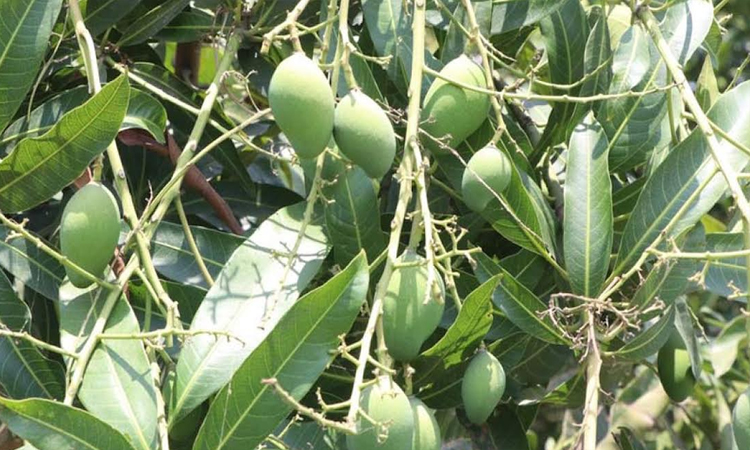
These young people could process and market Rajshahi's famous mangoes, tomatoes, and fish. The produced goods could be supplied directly to large industrial enterprises, meaning entrepreneurs would not have to worry about market access.
At the same time, if local banks provide low-interest loans on easy terms, initiatives would not stall due to a lack of capital.
As a result, several positive outcomes would emerge. Farmers would be able to sell their produce at fair prices, perishable agricultural goods would be transformed into value-added products, and new employment opportunities would be created for local youth.
Hassen Ali, President of Rajshahi Chamber of Commerce and Industry, said Rajshahi's mangoes, for example, would no longer be sold only as fresh fruit but could also reach international markets as processed products.
Alongside industry, the healthcare sector also holds bright prospects for Rajshahi. Its clean environment, relatively low air pollution, and healthy climate could help transform the city into a promising medical hub.
If modern hospitals, diagnostic centers, and nursing and medical training institutions are developed in a planned manner around Rajshahi Medical College Hospital, the city could gradually become an important center for medical tourism.
People from different districts of the country, and even from neighboring countries, would come to Rajshahi for treatment, naturally strengthening the medical tourism sector.
Planned tourism can also play an important role in the city's economy. If walkways, parks, river cruises, and recreational centers are developed around the banks of the Padma River, along with historical sites and cultural heritage, Rajshahi could become one of the most attractive tourist cities in northern Bangladesh.
A new perspective is also needed in the education sector. Introducing area-based schooling at the primary level would ensure children grow up in a safe environment and help strengthen community bonds.
If studying in schools within their own wards is made compulsory up to the fifth grade, long-distance travel risks would decrease, costs would be reduced, and people from different segments of society would come forward to improve the quality of local schools.
Children would grow up in familiar surroundings, building relationships of empathy and friendship with one another.
Practical steps are also essential in urban planning. Improving the drainage system, modernizing waste management, controlling traffic congestion, and ensuring civic amenities require integrated urban planning. Each ward should preserve playgrounds, expand sports activities, and strengthen social protection programs.
Rajshahi is not just a city; it is a city of possibilities. With proper initiatives and planning, people from home and abroad would be interested in investing in healthcare, education, and tourism here.
Employment opportunities would be created for educated unemployed youth, local entrepreneurs would find new prospects, and the city's economy would grow stronger.
To develop small-scale initiatives in processing mangoes, fish, tomatoes, and other food products, local banks must provide low-interest loans.
At the same time, cold storage facilities, quality control systems, and export support must be ensured. If the production of educational materials for schools and colleges increases locally, the city's economy will become even more vibrant.